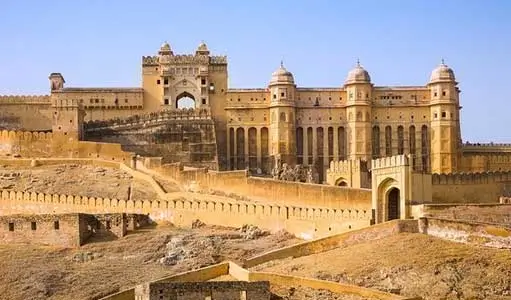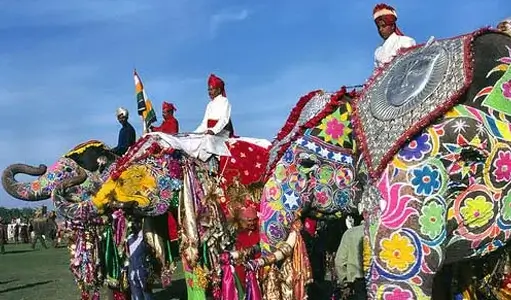

India is one of the world's most fascinating travel destinations, attracting millions of visitors who come to experience ancient monuments, colorful festivals, wildlife, diverse landscapes, traditional markets, and regional cuisine. From the snowy mountains of the north to the tropical coastline in the south, every region offers something different, making it an unforgettable destination for international tourists.
Like every popular tourist destination around the world, India also has individuals who attempt to take advantage of visitors unfamiliar with local customs, transportation systems, pricing, or language. The majority of Indian people are warm, honest, and genuinely helpful, but being aware of a few common India travel scams can help travelers avoid unnecessary inconvenience, financial loss, or stressful situations during their journey.
Many first-time visitors worry that scams are everywhere, but this is far from reality. Most trips across India are completed without any serious issues. The key difference between travelers who enjoy a smooth vacation and those who encounter problems is usually preparation. Understanding how certain scams operate allows tourists to recognize warning signs before becoming involved.
Scammers often target travelers because they know visitors may be unfamiliar with local transportation, attraction opening hours, ticket prices, exchange rates, or government procedures. They frequently create situations that sound urgent or convincing, encouraging tourists to make quick decisions without verifying the information. Taking a few extra minutes to confirm details can prevent many of these situations entirely.
Popular tourist cities such as Delhi, Jaipur, Agra, Mumbai, Varanasi, Goa, Udaipur, and other well-known destinations receive millions of visitors every year. While these places are generally welcoming, crowded transport hubs, busy markets, and famous monuments naturally provide opportunities for dishonest individuals looking for easy targets.
Fortunately, avoiding most scams does not require complicated strategies. Simple habits such as booking transportation through reputable providers, confirming prices before accepting services, using official ticket counters, keeping valuables secure, and politely declining unwanted assistance significantly reduce risk. Confident travelers who remain calm and informed are much less likely to become victims.
Technology has also made travel considerably safer. Digital payments, GPS navigation, online hotel bookings, ride-hailing applications, and verified review platforms allow visitors to independently confirm information instead of relying entirely on strangers. Nevertheless, common sense remains the most valuable travel tool regardless of destination.
This guide explains the most common tourist scams in India, how they typically work, practical ways to avoid them, and realistic safety advice that helps international visitors enjoy their holiday with confidence while focusing on India's remarkable cultural and natural attractions rather than unnecessary problems.
One of the first situations many international travelers encounter after landing in India involves airport transportation. Airports are busy environments where genuine licensed taxi operators work alongside individuals pretending to provide official transport services. After a long international flight, tired passengers may simply accept the first offer they receive without comparing options or confirming prices, making airport transfers one of the most common situations where unnecessary expenses occur.
A frequent tactic involves individuals approaching arriving passengers before they reach the official taxi counters. These people may confidently claim that they represent airport authorities, approved tourism offices, or government transportation services. Some even carry identification cards or wear clothing designed to appear official. They often assure travelers that regular taxi counters are closed, unavailable, or experiencing long delays, encouraging immediate booking through them instead.
Another variation involves quoting a surprisingly reasonable fare initially before adding multiple unexpected charges during or after the journey. Travelers may suddenly hear about airport entry fees, parking fees, luggage handling charges, highway taxes, night surcharges, waiting fees, fuel adjustments, or destination permits that were never mentioned beforehand. What initially appeared to be an affordable ride may ultimately cost several times more than expected.
Some drivers also deliberately choose unnecessarily long routes, particularly when they recognize that passengers are unfamiliar with the city. Instead of taking the most direct route, they extend the journey to increase the fare, especially when using taxis without fixed pricing. International visitors who have just arrived often have little knowledge of local geography, making it difficult to recognize when a route is unusually long.
Language barriers can sometimes contribute to misunderstandings as well. Travelers may believe they agreed to one destination while drivers intentionally or unintentionally interpret the destination differently. Confirming the complete destination, preferably by showing the hotel address on a map, helps eliminate confusion before departure.
Fortunately, avoiding these situations is relatively straightforward. Most major Indian airports operate prepaid taxi counters where fares are determined before the journey begins. Many cities also have reliable app-based transportation services that clearly display estimated fares, driver information, vehicle details, and route tracking before the ride starts. These services provide additional transparency and reduce opportunities for unexpected pricing disputes.
Travelers should avoid accepting unsolicited transportation offers inside airport arrival halls or immediately outside terminals. Instead, walking directly to authorized transportation counters or using reputable ride-booking applications generally provides a smoother and more predictable experience. Before entering any vehicle, confirming the approximate fare, ensuring the destination is understood correctly, and checking that the vehicle details match the booking information all contribute to a safer arrival experience.
Even experienced international travelers follow these simple precautions regardless of the country they visit. A careful approach during the first journey from the airport sets a positive tone for the remainder of the trip while minimizing unnecessary stress after arrival.
Don't let concerns about scams stop you from experiencing India. With a carefully planned private tour, reliable transportation, and local assistance, you can explore India's culture and attractions with greater comfort and confidence.
One of the most common India travel scams experienced by first-time visitors involves individuals presenting themselves as licensed tour guides. This usually happens near famous monuments, railway stations, busy marketplaces, historical forts, and UNESCO World Heritage Sites where large numbers of tourists gather throughout the day.
These individuals often approach visitors in a friendly and confident manner. They may introduce themselves as government-approved guides, official tourism representatives, archaeology experts, or local historians. Some even wear identification cards, laminated badges, or uniforms that appear genuine at first glance. Since most international visitors cannot easily distinguish between licensed and unlicensed guides, many accept these offers without asking further questions.
The conversation usually begins with simple assistance. A guide may offer to explain the history of a monument, suggest the best photography locations, help purchase tickets, or recommend nearby attractions. Initially, everything appears helpful and informative. However, problems often arise later when unexpectedly high service charges are demanded or visitors are taken to businesses that pay commissions instead of locations that genuinely match their interests.
Another variation involves guides who deliberately provide inaccurate information to encourage tourists to extend their services. Visitors may be told that a monument requires a guide for entry, that photography permits must be purchased separately, or that special areas can only be accessed through authorized representatives. These claims often sound convincing, especially to someone visiting India for the first time.
Some unauthorized guides also pressure tourists into purchasing expensive sightseeing packages covering multiple destinations. During these tours, travelers are frequently taken to jewelry shops, handicraft stores, textile showrooms, carpet galleries, or souvenir outlets where guides receive substantial commissions for every purchase made by visitors. The shopping experience may occupy far more time than the sightseeing itself.
The safest approach is to use officially licensed guides available through recognized tourism authorities or those arranged directly by reputable hotels and established tour companies. Many monuments also provide official guides whose identification can be verified before beginning the tour. Reading reviews in advance and booking through trusted travel platforms further reduces the possibility of encountering unauthorized operators.
Travelers should never feel uncomfortable politely declining unsolicited guiding services. A simple "No, thank you" followed by continuing toward the attraction is usually sufficient. Genuine professionals rarely pressure visitors into accepting their services, while scammers often become increasingly persistent if they believe a tourist is uncertain.
Shopping is an enjoyable part of visiting India. Every region offers traditional handicrafts, textiles, gemstones, leather goods, paintings, ceramics, carpets, spices, tea, and handcrafted souvenirs that reflect local culture and craftsmanship. Unfortunately, shopping is also an area where tourists occasionally encounter misleading sales practices.
A common situation begins when a taxi driver, guide, or stranger recommends what they describe as "the best government-approved shop" or "the only authentic handicraft showroom." Visitors are told that these businesses offer guaranteed quality, factory prices, or exclusive products unavailable elsewhere.
In reality, many recommendations are based on commission rather than product quality. Drivers and guides often receive a percentage of every tourist purchase. Because of this arrangement, travelers may unknowingly visit expensive stores where prices are significantly higher than market value.
Inside these establishments, skilled salespeople frequently create a sense of urgency. Visitors may hear statements such as "today only," "last piece available," or "special export quality." Complimentary refreshments, demonstrations, and lengthy product presentations are often used to encourage emotional purchasing decisions rather than careful price comparison.
Gemstones and jewelry deserve particular attention. Genuine precious stones require professional certification, and identifying authenticity without specialized knowledge is extremely difficult. Travelers interested in purchasing valuable items should always request official certification, invoices, and authenticity documentation before making significant purchases.
Handmade carpets and luxury textiles are another area where exaggerated claims occasionally occur. Some sellers describe products as museum-quality antiques or centuries-old family heirlooms without providing reliable evidence. While India certainly produces exceptional handcrafted products, buyers should compare prices across several reputable stores before making expensive decisions.
The safest strategy is to shop at established businesses with transparent pricing and positive customer reviews rather than accepting recommendations from strangers. Taking time to compare products, asking detailed questions, and avoiding impulse purchases usually leads to a far more satisfying shopping experience.
Among the oldest tourist scams in India is the so-called "closed attraction" trick. It typically occurs near internationally famous landmarks such as the Taj Mahal, major forts, palaces, temples, museums, or popular cultural sites.
As tourists approach an attraction, someone may confidently inform them that the monument is closed due to a national holiday, maintenance work, religious ceremonies, security restrictions, or VIP government visits. Since visitors are unfamiliar with local schedules, the explanation often appears believable.
Immediately after delivering this disappointing news, the individual usually presents an alternative solution. They may recommend another attraction, offer a private city tour, suggest an expensive shopping experience, or encourage visitors to purchase tickets from an unofficial source. In many cases, the original attraction remains fully open throughout the day.
Sometimes scammers even claim that tickets can only be purchased from a different office located several kilometers away. Upon reaching the recommended location, tourists are introduced to private travel agencies selling overpriced packages instead of official monument tickets.
This situation is easily avoided by confirming opening hours through official government websites, hotel reception staff, or authorized tourism information centers before changing travel plans. If someone unexpectedly claims that a monument is closed, travelers should continue walking toward the official entrance instead of accepting verbal information from strangers.
Major attractions usually display clear notices regarding opening hours, ticket counters, and temporary closures. Trusting official information rather than unsolicited advice significantly reduces the likelihood of becoming involved in this type of scam.
Managing money safely is an essential part of international travel. While India's banking system is modern and widely accessible, visitors should remain attentive when withdrawing cash or exchanging foreign currency.
Currency exchange should always be completed through authorized banks, licensed exchange counters, or reputable financial institutions. Individuals offering unusually attractive exchange rates on the street should generally be avoided, regardless of how convincing their offers appear.
When using ATMs, travelers should inspect the machine for signs of tampering before inserting their card. Devices attached over the card slot or keypad could potentially compromise payment information. Choosing ATMs located inside banks, shopping centers, or well-monitored public areas provides greater security than isolated machines.
Protecting the PIN during every transaction is equally important. Covering the keypad while entering numbers prevents nearby individuals or hidden cameras from observing confidential information.
Digital payments are widely accepted across Indian cities. However, tourists should verify payment amounts before approving card transactions or scanning QR codes. Fraudulent QR codes placed over legitimate payment signs have occasionally been reported in busy commercial areas.
Keeping transaction notifications enabled on banking applications allows travelers to monitor payments immediately. Any unauthorized transaction should be reported to the issuing bank without delay.
International visitors should also avoid carrying excessive amounts of cash while sightseeing. Dividing money between different secure locations and using hotel safes for passports or spare cards provides additional protection throughout the trip.
Choose a trusted local tour operator, confirm your transportation in advance, and enjoy India's incredible destinations without unnecessary travel stress.
The vast majority of international visitors complete their holidays in India without experiencing serious difficulties. Simple awareness and sensible decision-making are usually sufficient to avoid most common problems.
Researching destinations before arrival, confirming transportation costs in advance, booking accommodation through reputable platforms, and maintaining copies of important documents all contribute to a smoother travel experience.
Confidence also plays an important role. Travelers who appear calm, informed, and certain of their destination are generally less attractive targets for opportunistic scammers than visitors who appear confused or uncertain.
Using official transportation, avoiding unnecessary displays of expensive jewelry or electronics, remaining cautious when accepting unsolicited assistance, and verifying information through reliable sources all help create a safer travel experience.
India's hospitality is one of its greatest strengths. Most interactions visitors have throughout their journey involve genuinely kind people eager to assist travelers in experiencing the country's remarkable heritage, cuisine, architecture, wildlife, and traditions. Maintaining reasonable awareness while remaining open to authentic cultural experiences allows visitors to enjoy the country with confidence and peace of mind.
Yes. Millions of tourists visit India every year safely. Basic travel awareness and sensible precautions greatly reduce potential risks.
Taxi overcharging, unauthorized tour guides, shopping commission schemes, and fake attraction closure scams are among the most commonly reported situations.
Airport exchange counters are convenient but may not always provide the most competitive exchange rates. Banks and licensed exchange centers are often better alternatives.
Yes. Well-known app-based transportation services operating in major Indian cities generally provide transparent pricing, driver identification, and GPS tracking.
Ask to see official government-issued identification and book guides through recognized tourism authorities or reputable travel companies whenever possible.
Bargaining is common in many traditional markets but usually not in fixed-price stores, shopping malls, or branded retail outlets.
Verify the information directly at the official entrance or through authorized tourism sources before changing your plans.
Yes, particularly those located inside banks or secure commercial buildings. Inspect the machine before use and protect your PIN during transactions.
Carry a photocopy or digital copy whenever appropriate, while keeping the original passport securely stored unless required.
Remain calm, document the incident, contact local authorities if necessary, inform your hotel, and notify your bank immediately if financial transactions are involved.