Summer travel across India cannot be approached with the same mindset used for winter or peak tourist seasons. The northern plains, including cities such as Delhi, Agra and Jaipur, experience a sharp rise in temperature during this period. While these destinations remain accessible, the experience changes significantly due to heat, making it necessary to rethink how an itinerary is structured. Instead of avoiding travel altogether, the focus shifts towards selecting locations and routes that offer better comfort and variation.
The key to planning a successful India summer tour itinerary lies in understanding geographical diversity. India’s landscape includes plains, hills, deserts and coastal regions, each responding differently to seasonal changes. While the plains may become hot, hill regions maintain moderate temperatures, and certain parts of Rajasthan can still be visited with adjusted timing. This variation allows travelers to design routes that move between climates rather than remaining in a single environment.
Another important factor is pacing. Summer travel benefits from a slower rhythm, where destinations are not rushed and days are structured around temperature patterns. Early morning and evening activities become the primary windows for exploration, while midday is reserved for rest or indoor experiences. This approach ensures that the itinerary remains productive without becoming exhausting.
Understanding these principles transforms summer travel from a challenge into an opportunity. Instead of limiting options, it opens up a wider range of destinations that can be combined into a balanced and comfortable journey.
From refreshing hill stations and wildlife retreats to cultural landmarks and hidden gems, India offers countless summer travel experiences. Let us help you design the perfect itinerary for a comfortable, memorable, and hassle-free holiday.
The Golden Triangle remains one of the most logical starting points for any India itinerary, even during summer. Delhi, Agra and Jaipur are well-connected, making them easy to navigate, and their infrastructure supports travel in varying conditions. However, the approach to visiting these cities must be adjusted to align with seasonal realities.
In Delhi, the mix of indoor and outdoor attractions allows flexibility. Early morning visits to historical sites such as Old Delhi provide a manageable environment, while museums and cultural centers offer alternatives during peak heat hours. The city’s modern infrastructure, including air-conditioned transport and indoor spaces, helps maintain comfort throughout the day.
Agra, centered around the Taj Mahal, benefits from early morning scheduling. Visiting at sunrise not only avoids heat but also reduces crowd density, creating a more controlled experience. Afternoon hours can be used for indoor activities or rest before continuing to the next destination.
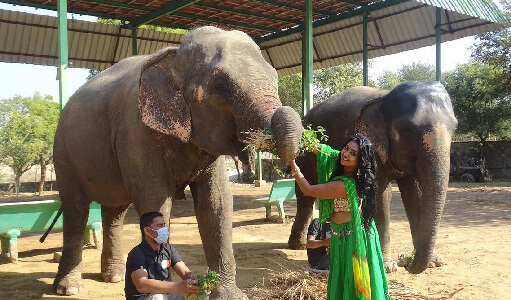
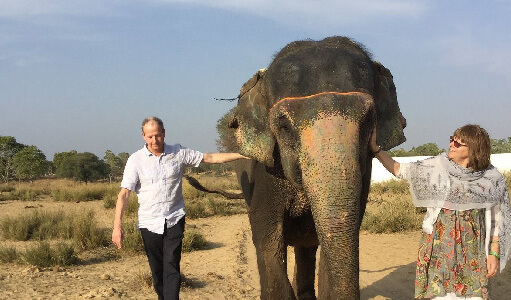
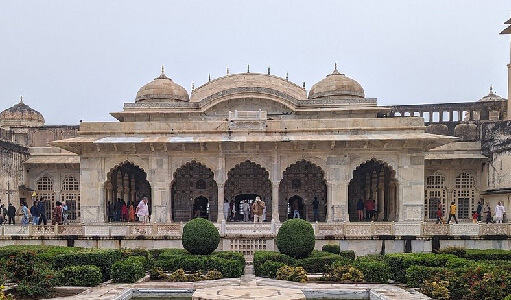
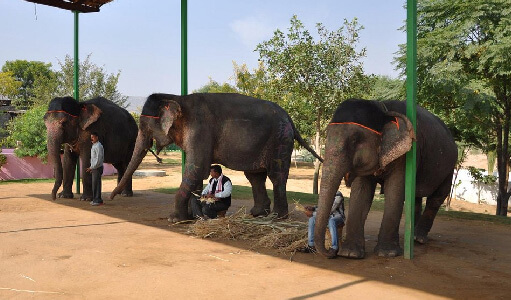
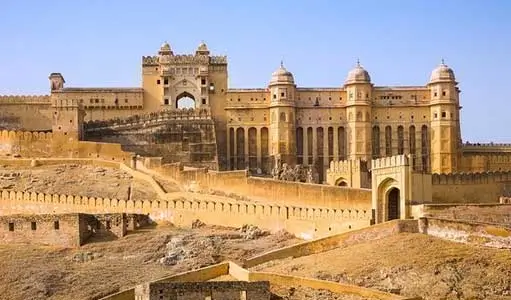
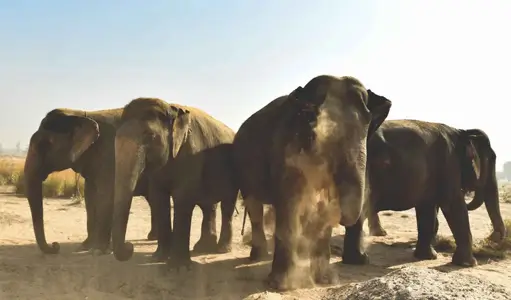
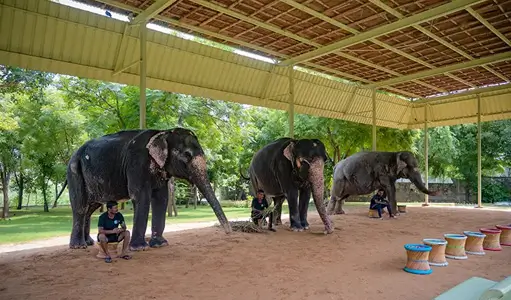
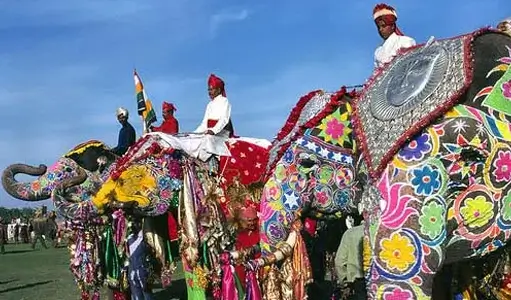
Jaipur requires a similar strategy. Forts and palaces should be visited during cooler hours, while midday can be spent exploring palace interiors or relaxing within hotel spaces. Including experiences such as Elefantastic during morning sessions adds variety without overexposure to heat.
This structured approach ensures that the Golden Triangle remains part of the itinerary without becoming uncomfortable, allowing travelers to transition smoothly into cooler regions.
After completing the Golden Triangle segment, shifting towards hill stations provides immediate relief from rising temperatures. Northern regions such as Himachal Pradesh and Uttarakhand offer significantly cooler climates, making them ideal for summer travel.
Destinations like Shimla and Manali provide a contrast to the plains, with lower temperatures and greener landscapes. The journey itself becomes part of the experience, as the terrain gradually changes from flat roads to winding mountain routes. This transition adds variety to the itinerary and creates a natural progression from urban exploration to scenic travel.
Activities in hill stations differ from those in the plains. Walking trails, viewpoints and relaxed town exploration replace monument-focused sightseeing. The pace slows down, allowing travelers to spend more time in each location without the pressure of covering multiple attractions in a single day.
Accommodation in these regions often includes properties designed to take advantage of natural surroundings, with views of mountains or valleys. This adds another layer to the experience, where the stay itself becomes part of the journey rather than just a place to rest.
While many parts of Rajasthan experience high temperatures, Udaipur offers a relatively more balanced environment due to its lakes and surrounding hills. Including Udaipur in a summer Rajasthan itinerary provides a way to experience the region without facing the extremes of desert conditions.
The city’s layout around Lake Pichola creates a different atmosphere compared to Jaipur or Jaisalmer. Early morning and evening activities around the lake are comfortable and visually appealing, making them ideal for exploration during summer. Boat rides and lakeside walks provide alternatives to traditional sightseeing.
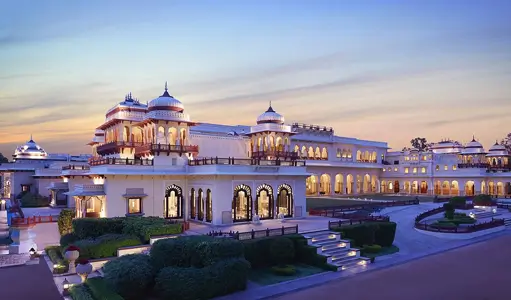
Palace interiors also play a significant role in Udaipur’s appeal. These spaces remain cooler and allow travelers to continue exploring during warmer hours. The combination of indoor and outdoor options creates flexibility, which is essential for summer travel.
Udaipur also works well as a transition point between regions. It can be included either before moving to hill stations or as a standalone destination within Rajasthan. This adaptability makes it a valuable addition to a summer itinerary.
For travelers looking to extend their journey further, coastal regions provide another option. Areas such as Goa or parts of South India offer a different climate pattern, with sea breezes moderating temperatures. While humidity may be higher, the overall environment can feel more relaxed compared to the dry heat of the plains.
Coastal destinations shift the focus from historical exploration to leisure. Beaches, waterfront properties and slower-paced activities become central to the experience. This creates a contrast with the structured sightseeing of the Golden Triangle and Rajasthan.
Including a coastal extension allows travelers to diversify their itinerary. Moving from cities to hills and then to the coast creates a multi-dimensional journey that reflects the geographical diversity of India.
However, this extension should be planned carefully to avoid excessive travel time. Direct flights and well-timed connections help maintain a smooth flow, ensuring that the itinerary remains cohesive.
Managing summer travel effectively requires attention to detail and preparation. Small adjustments can significantly improve comfort and ensure that the itinerary remains enjoyable throughout the journey.
Hydration is essential. Carrying water and taking regular breaks helps maintain energy levels, especially during outdoor activities. Light clothing and sun protection also play a critical role in managing exposure to heat.
Scheduling should always prioritize early morning and late evening activities. This approach not only reduces discomfort but also improves the quality of the experience, particularly for photography and sightseeing. Midday hours should be reserved for rest or indoor exploration.
Transportation choices are equally important. Private vehicles with air conditioning provide flexibility and comfort, especially for longer journeys. This ensures that travel between destinations remains smooth regardless of temperature conditions.
Discover scenic mountain retreats, royal heritage cities, lush countryside escapes, and unforgettable cultural experiences. Whether you're traveling as a couple, family, or solo explorer, we'll help you build a summer itinerary tailored to your interests.
A successful India summer travel plan is one that balances climate, activity and pacing. Instead of focusing on a single region, combining multiple environments allows travelers to adapt to changing conditions while maintaining variety.
Starting with the Golden Triangle provides a structured introduction, followed by a transition to cooler hill regions. Including Udaipur adds a softer Rajasthan experience, while optional coastal extensions create further diversity. This layered approach ensures that the itinerary remains dynamic without becoming overwhelming.
Flexibility is key. Allowing buffer time between destinations and avoiding overly tight schedules helps maintain comfort. This approach also creates opportunities to adjust plans based on weather or personal preference.
By combining planning with adaptability, summer travel in India becomes not only possible but highly rewarding. It offers a different perspective, where destinations are experienced in a quieter and more controlled environment.
Yes, with proper planning, hydration and scheduling, summer travel is manageable.
Hill stations and selected cities like Udaipur offer more comfortable conditions.
Yes, but activities should be planned during cooler hours.
They can be popular, but still provide a cooler alternative to plains.
Light clothing, sunscreen and hydration essentials are important.
No, with proper planning, certain destinations remain accessible.
Yes, combining plains, hills and coastal regions creates a balanced itinerary.
Yes, availability is generally good with flexible options.
Yes, often with better pricing and availability.
Yes, ethical experiences like Elefantastic Jaipur can be part of the itinerary.