A photography-focused journey across India requires more than selecting destinations on a map. Light, timing, accessibility and crowd movement all influence the final outcome of any shoot. Rajasthan and the Golden Triangle form one of the most diverse photography circuits, offering a combination of architecture, street life, landscapes and cultural activity within a relatively connected route.
The Golden Triangle, covering Delhi, Agra and Jaipur, provides a structured introduction to India’s historical architecture. Each city presents a different visual language. Delhi offers contrast between old and new environments, Agra focuses heavily on Mughal symmetry and Jaipur introduces a controlled color palette with well-defined geometry. These locations are often crowded, so planning the timing of each shoot becomes essential.
Rajasthan extends this experience further by adding variation in terrain and texture. Cities like Jodhpur, Udaipur and Jaisalmer introduce elements that are not present in the Golden Triangle. Blue-painted houses, lake reflections and desert landscapes create distinct visual opportunities that require different shooting approaches. Moving from one city to another is not just a change in location, but a shift in subject, composition and lighting style.
A well-planned India photography tour balances movement with shooting windows. Early morning and late afternoon sessions become the foundation of the itinerary, while midday hours are often reserved for travel or indoor photography. Without this structure, even the best locations may not deliver the expected results.
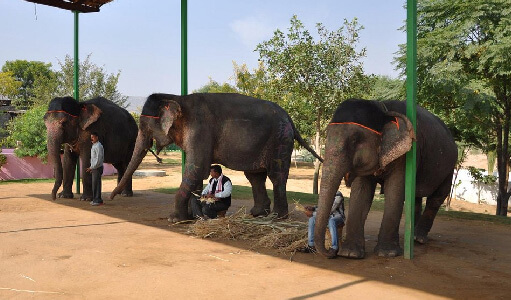
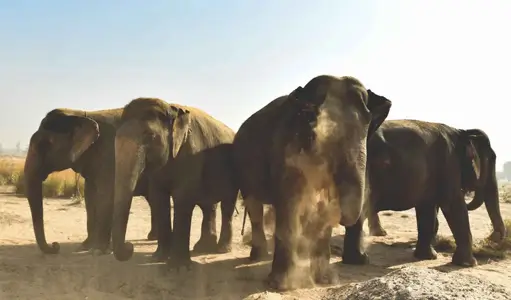
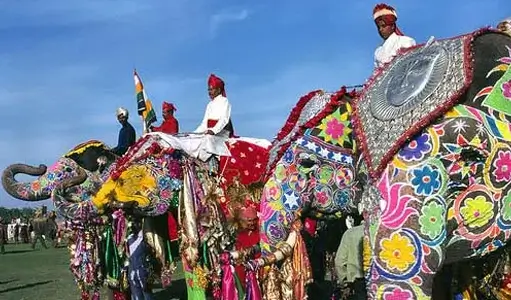
From majestic elephants and colorful festivals to royal palaces and breathtaking landscapes, India offers endless photography opportunities. Join unforgettable experiences that bring you closer to authentic culture, wildlife, and stunning visual stories..
Light defines the outcome of every photograph, and in India, its behavior changes significantly depending on season, location and time of day. The concept of golden hour is especially important when planning a Rajasthan photography tour, as it determines when architectural details, textures and colors appear at their best.
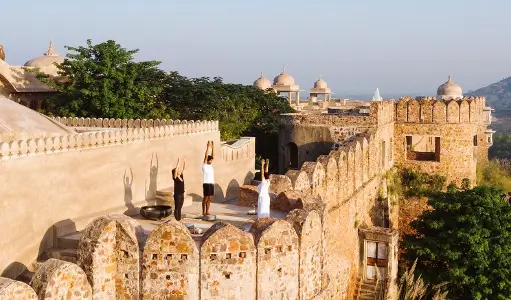
Morning light tends to be softer and more controlled, especially in cities like Jaipur and Jodhpur. During early hours, the angle of light reduces harsh shadows and allows for balanced exposure across buildings and streets. This is the ideal time to photograph monuments, forts and cityscapes before crowd movement begins to increase.
Evening light introduces a warmer tone, particularly in desert regions such as Jaisalmer. Sandstone structures reflect this light differently, creating a golden effect that changes within minutes. Capturing this transition requires preparation, including pre-selecting locations and setting up compositions before the light reaches its peak.
Midday light, on the other hand, is often harsh and direct. While it may not be ideal for outdoor shooting, it can be used effectively for indoor photography, markets or shaded areas where contrast becomes less of an issue. Understanding how to adapt to each lighting condition is essential for maintaining consistency across your work.
The Golden Triangle offers some of the most recognized photography locations in India, but capturing them effectively requires a deeper approach than simply arriving on site. Each location has specific angles, timing requirements and access points that influence the final composition.
In Delhi, areas such as Old Delhi provide dense visual layers. Narrow streets, overhead wires, market activity and architectural variation create complex compositions that require careful framing. Movement within these spaces must be deliberate, allowing time to observe patterns rather than rushing through.
Agra is centered around the Taj Mahal, which presents a symmetrical structure that is both iconic and challenging. The key to photographing it lies in timing and positioning. Early morning sessions reduce crowd interference, while side angles and reflection points offer variation beyond the standard frontal shot.
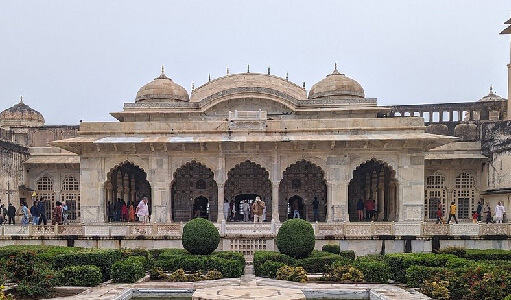
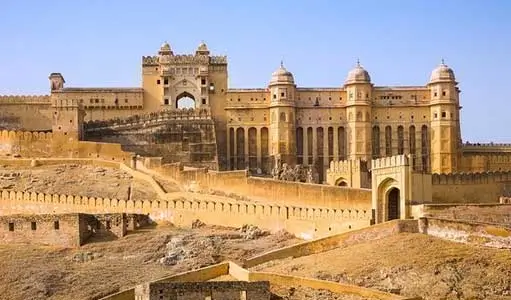
Jaipur introduces a different visual structure. Locations such as Amber Fort and Hawa Mahal provide strong geometric lines and color consistency. The city’s layout allows for both wide-angle and detailed compositions, depending on how you approach the subject. Planning entry times and movement routes becomes essential to avoid peak congestion.
Rajasthan expands the photographic range by introducing environments that are not present in the Golden Triangle. Each city within the region offers a distinct visual identity, requiring a shift in technique and approach.
Jodhpur is defined by its blue-painted houses and the elevated position of Mehrangarh Fort. Shooting from above provides a layered composition, where color and structure combine into a single frame. Moving into the streets adds another dimension, with textures and human activity enhancing the visual depth.
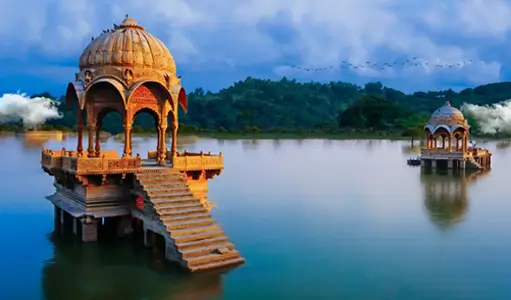
Udaipur offers a completely different environment centered around water. Lake Pichola and surrounding palaces create opportunities for reflection-based compositions. Timing becomes critical here, as early morning conditions provide calm water surfaces that enhance clarity.
Jaisalmer introduces desert landscapes and sandstone architecture. The fort itself changes appearance throughout the day as light shifts across its surface. Moving into the dunes adds minimalistic compositions, where lines, shadows and open space define the frame. This requires a different mindset compared to urban photography.
Street photography in India is dynamic and constantly evolving. Rajasthan and the Golden Triangle provide environments where movement, color and human interaction become central elements of the frame.
Capturing street scenes requires patience and observation. Instead of reacting to random moments, it is more effective to identify patterns and wait for the right subject to enter the frame. This approach allows for stronger composition and reduces unnecessary clutter.
Markets, festivals and daily routines provide consistent opportunities for photography. However, understanding how to move within these spaces is important. Respect for personal space and awareness of surroundings ensures that interactions remain positive and unobtrusive.
Using natural light and avoiding excessive equipment can also improve results. Smaller setups allow for greater flexibility and reduce attention, making it easier to capture authentic moments within busy environments.
Discover hidden gems, vibrant traditions, incredible wildlife, and breathtaking landscapes that make India a photographer’s paradise. Capture authentic moments and create a portfolio filled with unforgettable memories and stunning visuals.
Choosing the right equipment for a India photography tour depends on the type of subjects you plan to capture. A versatile setup is often more practical than carrying multiple specialized lenses.
A wide-angle lens is useful for architecture and landscapes, while a mid-range zoom allows flexibility for street and general photography. Telephoto lenses can be helpful in certain situations, but they are not always necessary for urban environments.
Camera settings should be adjusted based on light conditions. Lower ISO values are preferred during daylight, while aperture settings can be varied depending on depth of field requirements. Fast shutter speeds are useful for capturing movement in busy areas.
Carrying extra batteries and memory cards is essential, especially during long shooting days. Weather conditions, dust and temperature can also affect equipment, so protective measures should be considered.
Photography in India involves more than technical skill. Cultural awareness and ethical considerations play a significant role in how images are captured and perceived.
Respecting individuals and seeking permission when necessary ensures that interactions remain positive. This is particularly important in rural areas or when photographing people directly.
Certain locations may have restrictions on photography, especially within religious or protected sites. Understanding these rules in advance helps avoid complications and ensures a smoother experience.
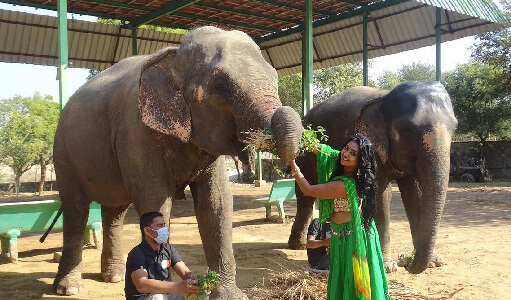
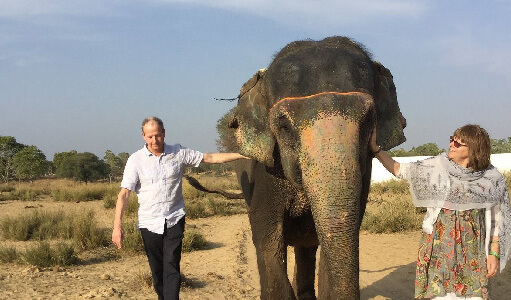
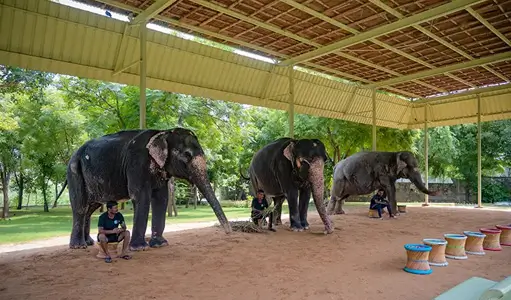
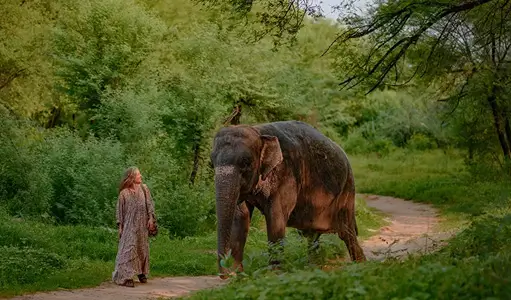
In locations such as Elefantastic, ethical interaction is equally important. Capturing images of elephants should always be done in a way that respects their space and behavior, focusing on observation rather than interference.
Early morning and late afternoon provide the best lighting conditions, especially for architecture and landscapes.
Delhi, Agra and Jaipur each offer unique visual opportunities, from street scenes to historical monuments.
Yes, Rajasthan offers desert landscapes, lakes and architectural settings that are ideal for varied compositions.
A wide-angle lens and a mid-range zoom lens are generally sufficient for most photography situations.
Yes, with proper planning and understanding of light and location, beginners can capture strong images.
Yes, but it requires awareness and respect for surroundings and individuals.
Golden hour is critical for achieving balanced light and capturing the best colors and textures.
Yes, places like Elefantastic Jaipur provide opportunities for ethical and respectful photography.
Rajasthan is known for architecture, desert landscapes and cultural photography.
Some locations may require permission, especially for professional equipment or restricted areas.