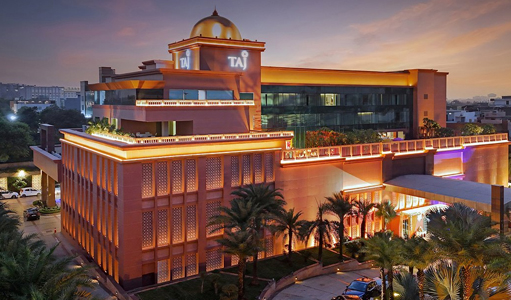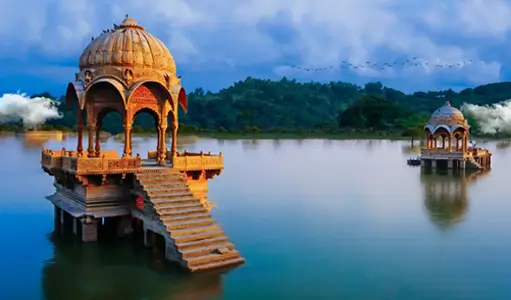
Rajasthan offers one of the most distinctive accommodation experiences in the world, where hotels are not simply places to stay but part of the destination itself. The concept of a Rajasthan heritage hotel tour revolves around converting historical residences such as palaces, forts and havelis into operational properties while retaining their original architectural identity. These structures were once home to royal families or wealthy merchants, and their transformation into hotels allows travelers to experience history through direct immersion rather than observation.
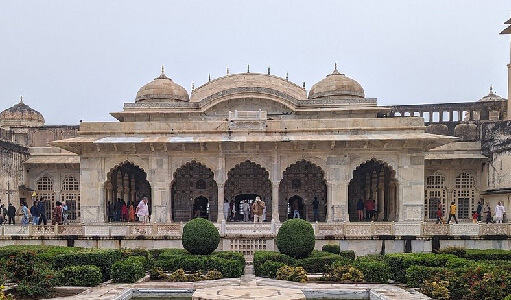
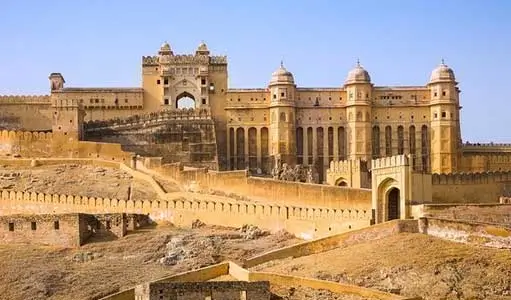
Each type of heritage property presents a different scale and atmosphere. Palace hotels are often expansive, with multiple courtyards, gardens and large interior spaces that reflect royal lifestyle. Fort hotels are typically positioned on elevated terrain, offering panoramic views and a more fortified architectural style. Havelis, on the other hand, are smaller and more intimate, focusing on detailed craftsmanship, fresco work and compact courtyards. Understanding these distinctions is essential when planning your stay, as each type creates a different travel experience.
The appeal of these properties lies in their authenticity. Unlike modern hotels designed with uniform layouts, heritage properties retain irregular structures, unique room designs and historical elements that have been preserved over time. This means that no two rooms are exactly the same, and each space reflects a specific period or design philosophy. For travelers seeking a luxury Rajasthan travel experience, this variation adds depth and character to the journey.
Choosing a heritage hotel is not just about aesthetics. It also involves understanding how these properties operate within a modern hospitality framework. While they maintain historical design, most have been adapted to include contemporary amenities. This balance between preservation and comfort is what defines the success of heritage tourism in Rajasthan.
Transform your Rajasthan holiday into a royal experience with handpicked heritage hotels, palace stays, and historic mansions. Immerse yourself in centuries-old architecture, traditional hospitality, and the timeless charm of India's royal past.
Planning a Rajasthan palace tour requires careful selection of cities, as each location offers a different architectural style and travel rhythm. The goal is to create a route that provides variation without unnecessary travel fatigue. Jaipur, Jodhpur, Udaipur and Jaisalmer form the core of most heritage itineraries, but each contributes a distinct element to the journey.
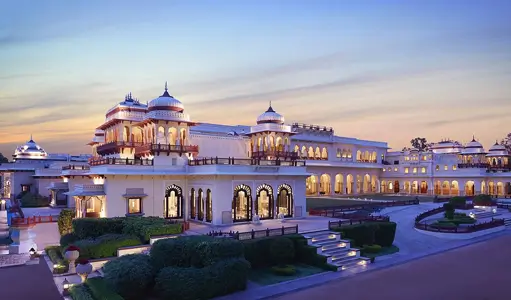
Jaipur is often the starting point, offering a structured urban environment with easy access to palace hotels. Properties such as Rambagh Palace reflect royal grandeur while remaining connected to the city’s main attractions. The advantage of Jaipur lies in its accessibility and balance between heritage and modern infrastructure.
Jodhpur introduces a different perspective with its fort-dominated skyline. Staying in heritage properties here often means being close to Mehrangarh Fort or within the old city, where blue-painted houses create a unique visual identity. The experience in Jodhpur is more compact, with a stronger connection between the property and the surrounding environment.
Udaipur shifts the focus towards lakeside settings. Heritage hotels here are often positioned along Lake Pichola or within palace complexes, offering views that change throughout the day. The atmosphere is calmer compared to Jaipur and Jodhpur, making it suitable for longer stays.
Jaisalmer completes the route with desert architecture. Fort-style hotels and restored havelis provide a different scale and texture, influenced by sandstone construction and open landscapes. The city’s location adds a distinct contrast to the overall itinerary.
Understanding the difference between palace hotels, fort hotels and havelis is essential when planning a heritage hotel stay in Rajasthan. While all fall under the heritage category, their design, scale and experience vary significantly.
Palace hotels are typically the most luxurious and expansive. They were originally built as royal residences and later converted into hotels without altering their core structure. These properties often include large gardens, multiple dining areas and extensive interiors. Staying in a palace hotel creates a sense of space and formality, with service levels designed to match the scale of the property.
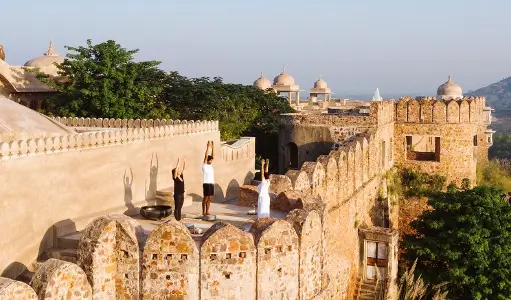
Fort hotels offer a more dramatic setting. Located on hills or elevated terrain, they provide views of surrounding landscapes and a sense of isolation. The architecture is defensive in origin, with thick walls, narrow passages and multiple levels. This creates a different type of experience, where movement within the property becomes part of the stay.
Havelis represent a more intimate form of heritage accommodation. These were originally merchant homes, designed around central courtyards with detailed interior decoration. Staying in a haveli allows for closer interaction with the structure, where craftsmanship and design are more accessible.
Choosing between these options depends on preference. Travelers seeking large-scale luxury may prefer palace hotels, while those looking for character and detail may find havelis more engaging. Fort hotels provide a balance between the two, combining scale with a unique location.
A Rajasthan luxury hotel tour can vary significantly in cost depending on the type of property, season and level of service. Understanding how pricing works helps in creating a balanced itinerary that aligns with both expectations and budget.
Palace hotels generally represent the higher end of the pricing spectrum. Their scale, service and location contribute to higher costs, especially during peak travel periods. Fort hotels fall within a similar range, although some properties offer mid-level options depending on location and accessibility.
Havelis provide a more flexible pricing structure. While some high-end havelis offer luxury experiences, many operate at mid-range levels, making them accessible to a wider range of travelers. This allows for a combination approach, where travelers can include both luxury and mid-range stays within the same itinerary.
Additional costs should also be considered, including transportation, meals and guided tours. Private chauffeur-driven travel is commonly used in Rajasthan, adding to overall expenses but providing flexibility and comfort. Planning these elements together ensures that the itinerary remains consistent without unexpected cost variations.
Creating a Rajasthan heritage tour itinerary involves more than selecting cities and hotels. The sequence of travel plays a major role in how the journey feels. Long distances between destinations can lead to fatigue, while shorter, well-paced transitions allow for a more relaxed experience.
A typical route begins in Jaipur, moves towards Jodhpur, continues to Udaipur and may extend to Jaisalmer. This sequence creates a natural flow, moving from structured urban settings to more open landscapes. Including buffer days in key cities helps maintain balance and prevents the itinerary from feeling rushed.
Travel time between destinations should be planned carefully. While some routes can be covered by road, others may benefit from short flights to reduce travel duration. Combining both options provides flexibility and allows for better time management.
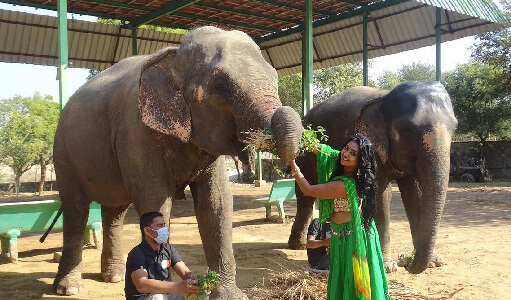
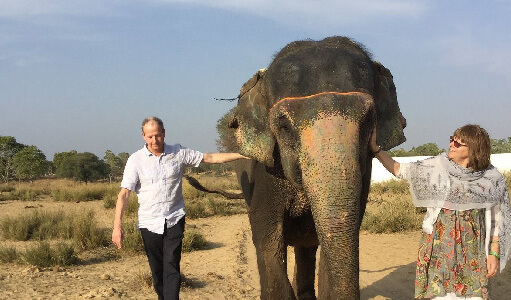
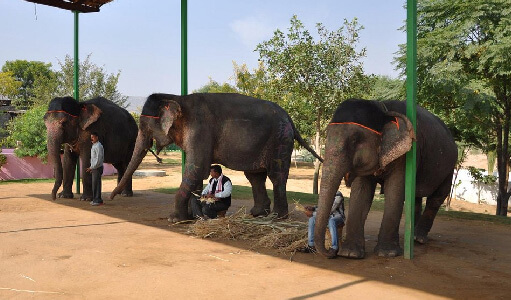
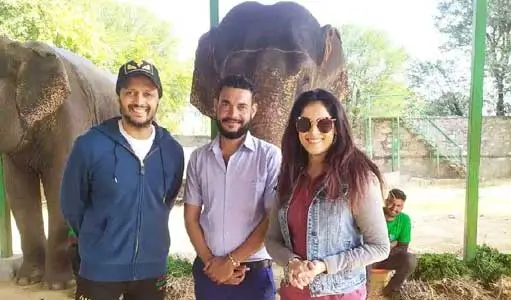
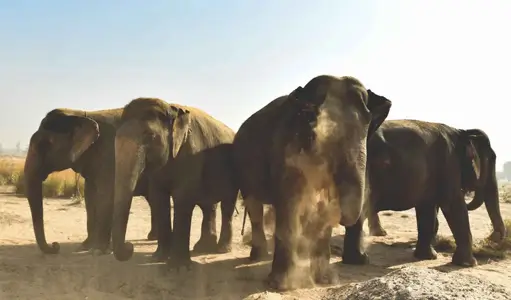
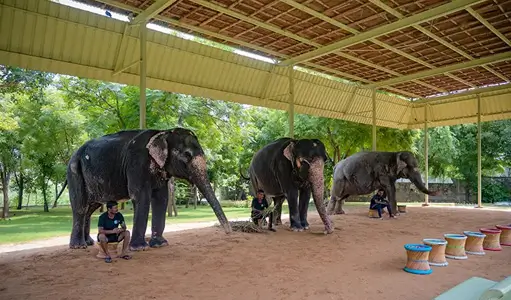
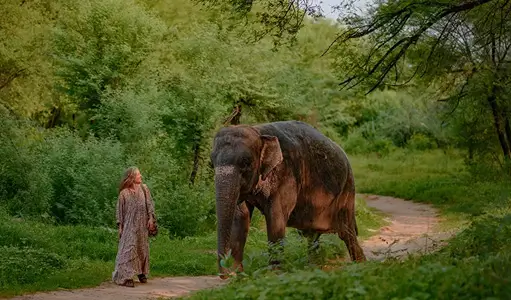
The inclusion of unique experiences, such as cultural visits or ethical animal interactions at Elefantastic, adds variation to the itinerary. These elements break the monotony of city-to-city travel and create memorable moments within the journey.
Wake up in centuries-old palaces, dine in historic courtyards, and explore the grandeur of Rajasthan’s royal heritage. From majestic forts to charming heritage mansions, every stay becomes a memorable part of your journey.
Timing is a critical factor in planning a heritage hotel tour in Rajasthan. Demand for these properties can be high, especially during peak travel seasons, making early booking essential. Availability may be limited, particularly for popular palace hotels.
Seasonal variation also affects pricing and experience. Cooler months attract higher demand, while warmer periods may offer lower rates but require careful planning due to temperature conditions. Understanding these patterns allows travelers to make informed decisions.
Booking directly through hotels or through specialized travel planners ensures better coordination. This approach allows for customization, including room selection, transfers and additional services. For travelers seeking a seamless experience, this method is often more efficient than managing each element separately.
Flexibility in travel dates can also improve availability and pricing. Adjusting the itinerary slightly can open up better options, especially in high-demand properties.
A heritage hotel is a converted palace, fort or haveli that retains its original architecture while offering modern hospitality.
Jaipur, Jodhpur, Udaipur and Jaisalmer are the most popular destinations for heritage stays.
Costs vary depending on the property type, with palace hotels being more expensive and havelis offering more flexible pricing.
Palace hotels are larger and more luxurious, while havelis are smaller and focus on detailed design and intimacy.
A balanced itinerary usually requires several days to cover multiple cities without rushing.
Yes, especially for popular properties during peak travel periods.
Most heritage hotels offer modern facilities while preserving historical design.
Yes, Rajasthan is well-developed for tourism with strong infrastructure and services.
Yes, it can be combined with wildlife destinations or ethical experiences like Elefantastic Jaipur.
Private chauffeur-driven vehicles and short flights are commonly used for convenience.