
India welcomes millions of international travellers every year, offering an incredible blend of culture, history, landscapes, spirituality and adventure. Visitors arrive from the US, UK, Europe, Australia and the Middle East, attracted by India’s colours, traditions, iconic monuments, wildlife, beaches and ancient cities. One of the most common questions every traveller asks before planning a holiday is simple: How much does a trip to India cost?
The beauty of travelling in India is that the country suits every kind of budget. Travellers can enjoy luxury palaces, boutique hotels, private drivers and curated experiences, while others can choose homestays, budget hotels and local food for a more economical trip. India gives freedom to create a personalised budget according to comfort, travel style and trip duration.
Understanding the cost helps travellers plan better and avoid surprises. This guide explains India’s trip costs in a detailed, transparent and stress-free manner, so travellers know what to expect and how to create a comfortable journey that suits their lifestyle.
International flights vary widely depending on the departure country, season, airline, and booking time. Visitors from the US and Europe often find good deals during off-peak months, while prices increase during December holidays and Indian festivals.
Travellers from long-haul destinations such as the US, Canada and Australia usually spend more on airfare but can reduce costs with early booking. Those coming from Europe, the Middle East or Southeast Asia often find tickets moderately priced throughout the year.
While flight prices fluctuate, early planning allows travellers to choose between premium airlines, budget carriers or flexible travel dates. Flight cost becomes easier to manage when travellers aim for advance booking and weekday departures.
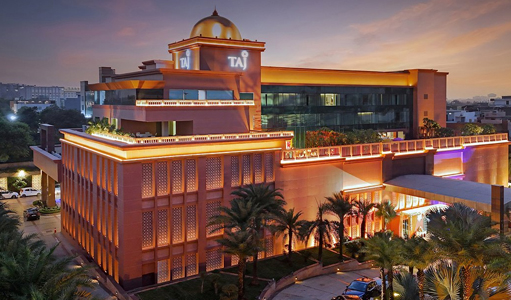
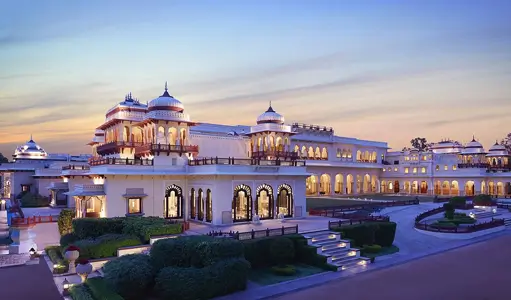
India offers some of the world’s widest hotel choices. Travellers can stay in royal heritage palaces, boutique hotels, luxury lake-view rooms, peaceful homestays or affordable budget hotels. Accommodation is available in every style and price bracket.
Luxury travellers enjoy properties with private pools, curated dining, traditional décor and personalised hospitality. Mid-range travellers can choose comfortable, clean hotels with good amenities and central locations. Budget travellers have plenty of hostel and guesthouse options.
Hotels in major cities like Delhi, Mumbai, Jaipur, Udaipur and Bangalore offer better options across categories, while remote destinations offer fewer choices but often more charm. Seasonal demand increases prices around Christmas, New Year, Holi, Diwali and school vacations.
Transport is one of the most important parts of India travel. Many international visitors choose a private driver in India for safety, comfort and convenience. A private chauffeur ensures smooth transfers, clean cars, safe driving and flexible sightseeing without stress or confusion.
Travellers who prefer taxis, auto-rickshaws or app-based rides can manage city travel affordably, though long-distance travel becomes unpredictable. Budget travellers often combine buses and trains, while comfort-seeking travellers prefer private cars with English-speaking drivers.
Private-driver tours remain the most reliable choice for Golden Triangle, Rajasthan and multi-city itineraries. The cost varies depending on the distance, car type and number of days, but the comfort, safety and flexibility easily justify the price for most foreign visitors.
India’s culinary world is one of the biggest delights of the trip. Travellers can enjoy premium restaurants, rooftop dining, traditional thalis, street snacks in safe areas, local cafés, and homely meals depending on preference.
Food prices vary based on location and style. Luxury dining in hotels offers international menus, curated Indian cuisine and chef-designed meals. Mid-range restaurants provide comfortable dining and a mix of traditional and modern tastes. Budget travellers enjoy affordable, authentic meals across local eateries.
Most travellers love trying Indian curries, tandoori dishes, biryanis, dosas, chaats and homemade-style meals. Food remains accessible and flavourful across all budgets.
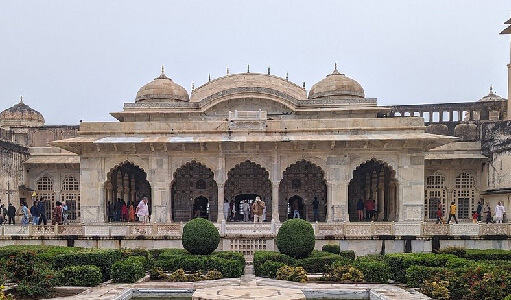
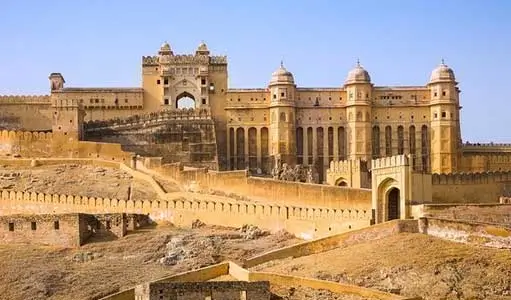
Entry fees for Indian monuments vary for foreign travellers. Iconic places like the Taj Mahal, Amber Fort, City Palace, Qutub Minar, Red Fort and Meenakshi Temple may include higher charges for international visitors, while many temples remain free.
Safari parks such as Ranthambore, Bandhavgarh or Jim Corbett have separate entry charges and vehicle booking costs. Boat rides in Udaipur or Varanasi, houseboats in Kerala, camel safaris in Jaisalmer, tea plantation tours in the mountains, and guided heritage walks also contribute to sightseeing expenses.
Travellers who enjoy curated experiences, photography sessions, folk shows or premium tours may spend more, while those who prefer simple self-guided visits can maintain a lower budget.
India offers rich handmade products that attract travellers worldwide. Jaipur’s block prints and gemstones, Delhi’s craft markets, Kerala’s spices, Kashmir’s pashmina, Rajasthan’s pottery and Gujarat’s embroidery are some of the most popular items.
Travellers often enjoy visiting government emporiums to ensure authentic quality and fair pricing. Boutique stores offer curated collections with higher prices. Bargaining is common in many local markets but not in fixed-price shops.
Shopping expenses vary depending on taste, interest and product type. Many travellers enjoy collecting souvenirs such as paintings, jewellery, clothing, handwoven fabrics, spices and home décor pieces.
Staying connected is extremely affordable in India. Travellers can purchase local SIM cards with data plans at airports or authorised stores. Unlimited data packs are available at very low prices compared to other countries. WiFi is available in most hotels, restaurants and cafés.
India has a strong service culture. Travellers often tip drivers, hotel staff, guides and restaurant servers. Laundry services are available in most hotels and homestays. Massage and spa treatments, especially in Kerala and Goa, are reasonably priced and popular among foreign visitors.
Small personal purchases, snacks, water bottles and transport add up gradually but remain manageable due to India’s overall affordability.
India is one of the rare destinations where luxury can be luxurious, budget can be minimal, and comfort can be balanced without compromise. Travellers can adjust accommodation, transport, food and sightseeing costs according to preferences.
Luxury travellers enjoy premium hotels, private drivers, curated experiences and guided tours. Mid-range travellers mix private cars with affordable hotels and planned meals. Budget travellers rely on hostels, buses, trains and simple dining.
By understanding the travel style and preferences, India’s trip cost becomes easy to forecast and manage.
India is affordable for all travel styles and offers tremendous value compared to many countries.
International flights are usually the highest expense.
Yes, private drivers provide safety, comfort and flexibility across cities.
Hotel prices vary widely; budget, mid-range and luxury options are available everywhere.
Food is generally affordable, even in good restaurants.
Iconic sites have higher fees, but the experience is worth it.
Minimal cash is needed; cards and digital payments work widely.
Depends on product type; handmade items range from affordable to premium.
National park safaris have separate charges, especially tiger reserves.
Yes, India is one of the best budget-friendly destinations in the world.