A two-week journey through India can cost very different amounts depending on how you travel. Someone using basic hotels, trains and inexpensive restaurants will spend far less than a traveler staying in heritage hotels, using a private vehicle and booking private guides. For international visitors who want comfort, dependable transportation and good accommodation, a realistic 2 week India trip cost should be calculated around the quality of the entire journey rather than the cheapest possible daily figure.
For a comfortable 14-day private journey, a sensible working budget is approximately ₹250,000 to ₹500,000 per person, excluding international flights. Travelers choosing luxury hotels, premium rooms, high-end restaurants and upgraded private services can easily spend ₹500,000 to ₹900,000 or more per person.
For two travelers sharing one room and one private vehicle, some expenses become more economical per person because hotel rooms and private transportation are shared. A couple seeking a well-organized private journey could reasonably keep ₹500,000 to ₹900,000 available for two people, depending on hotel standards and the number of premium experiences included.
These figures are intentionally positioned toward the comfortable and higher end. India can certainly be visited for much less, but an unrealistically low budget is not useful for an international traveler expecting clean hotels, dependable transportation, private sightseeing and enough flexibility to enjoy the journey without constantly calculating every small expense.
The largest mistake when calculating an India travel budget for 2 weeks is looking at a single daily figure. Travel expenses are not distributed evenly. One day may involve only a hotel, meals and local sightseeing, while another could include a long-distance private transfer, entrance tickets, a specialist guide and an upgraded hotel.
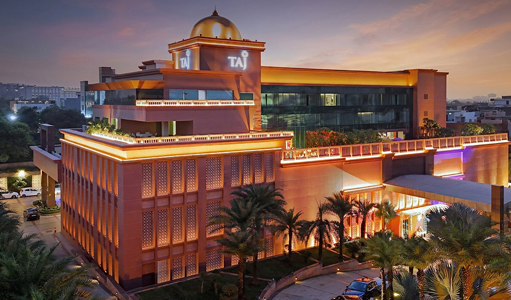
For a comfortable private journey, accommodation is normally one of the largest expenses. Good four-star hotels can reasonably be budgeted at approximately ₹8,000 to ₹18,000 per room per night. Strong five-star properties and quality heritage hotels can commonly move into the ₹18,000 to ₹40,000+ per night range, while landmark luxury properties can cost substantially more.
For 13 nights, allocating around ₹130,000 to ₹260,000 per room gives travelers considerably more freedom to select well-located and well-reviewed accommodation rather than simply accepting whichever property is cheapest.
Private road transportation is another major component. Current published market estimates put a sedan with driver around ₹4,000–₹5,000 per day and an Innova-type vehicle around ₹6,000–₹7,500, with larger vehicles costing more. A quotation can also vary according to distance, tolls, parking, state taxes, driver allowance and night charges. For this reason, a premium working allowance of approximately ₹90,000 to ₹140,000 for 14 days of private transportation is more useful when budgeting for a multi-city journey than relying on the lowest advertised daily rental rate.
Food should not be underestimated either. India offers inexpensive meals, but international travelers frequently alternate between local restaurants, hotel dining, cafes and better restaurants. A comfortable allowance of ₹2,500 to ₹5,000 per person per day provides considerably more flexibility. Across two weeks, that means approximately ₹35,000 to ₹70,000 per person.
Add private guides, monument admission, airport assistance, local activities, tips, refreshments and personal expenses, and it becomes easy to see how a comfortable 14 day India trip budget moves beyond the extremely low figures sometimes promoted online.
International airfare should normally be calculated separately because prices depend heavily on departure country, cabin, airline and travel dates.
Make your two weeks in India truly unforgettable with a journey tailored to your budget, interests and travel style.
For a traveler who values comfort, a realistic working estimate can look like this:
| Expense | Comfortable Estimate | Premium/Luxury Estimate |
| Hotels for 13 nights | ₹130,000–₹260,000 per room | ₹260,000–₹550,000+ per room |
| Private car and driver | ₹90,000–₹140,000 per vehicle | ₹140,000–₹220,000+ per vehicle |
| Food | ₹35,000–₹70,000 per person | ₹70,000–₹140,000+ per person |
| Private/local guides | ₹15,000–₹35,000 per person | ₹35,000–₹70,000+ per person |
| Monument/activity admission | ₹15,000–₹35,000 per person | ₹35,000–₹80,000+ per person |
| Domestic transport upgrades | ₹15,000–₹40,000 per person | ₹40,000–₹100,000+ per person |
| Tips and personal spending | ₹15,000–₹30,000 per person | ₹30,000–₹70,000+ per person |
| Travel contingency | ₹20,000–₹40,000 per person | ₹40,000–₹80,000+ per person |
These are budgeting ranges rather than fixed tariffs. Hotel prices, attraction charges, domestic fares and vehicle quotations can change considerably according to route, demand and booking conditions.
The table also demonstrates why the answer to how much does 2 weeks in India cost depends heavily on whether you are traveling alone or sharing major expenses. Two travelers can share a room, vehicle and many guide charges. A solo traveler pays those fixed expenses alone.
At the time of writing, the rupee is trading around ₹95–₹96 to US$1, so a ₹300,000 ground budget is roughly in the low-US$3,000 range. Exchange rates move continuously, however, so international travelers should always calculate their final budget using the rate available when they pay.
Accommodation is where the difference between a modest journey and a premium journey becomes particularly visible.
A room costing ₹9,000 per night creates a 13-night accommodation bill of ₹117,000. Increase the average room price to ₹20,000 and the same 13 nights cost ₹260,000. At ₹35,000 per night, accommodation alone reaches ₹455,000.
That is why anyone calculating India trip cost for 14 days should decide on hotel standards before requesting a complete travel quotation.
Four-star accommodation can work extremely well for travelers who spend most of the day sightseeing and primarily need a clean, comfortable and conveniently located room. Five-star hotels become more attractive when hotel facilities are part of the holiday itself. Better breakfast service, larger rooms, stronger concierge support, swimming pools, spas and quieter surroundings can matter considerably during a two-week journey.
Heritage accommodation adds another dimension. Rajasthan in particular has converted palaces, havelis and historic residences that can turn an overnight stay into a memorable part of the journey. The price difference can be substantial, but travelers seeking a premium private India tour often consider these properties worth including for selected nights rather than booking them throughout the entire trip.
Location also affects value. Saving money on a distant hotel can create additional driving time every morning and evening. A more expensive property near the main sightseeing zone may reduce unnecessary transfers and make the day noticeably easier.
A practical approach is to mix accommodation categories. Use strong four-star or entry-level five-star hotels for several nights, then allocate more money to one or two distinctive heritage or luxury properties. This keeps the total 2 week India vacation cost under control without making every night identical.
Transportation deserves serious attention because road travel is often a major part of a multi-city Indian journey.
A private car with driver in India offers door-to-door transportation and gives travelers control over departure times, rest stops and luggage. It can be particularly useful on routes connecting Delhi, Agra, Jaipur and other Rajasthan destinations, where relying on separate transfers for every sector can become inconvenient.
Published private-driver pricing currently places basic sedans at roughly ₹4,000–₹5,000 per day and Innova-type vehicles around ₹6,000–₹7,500 per day, although actual quotations depend on route and inclusions. Larger group vehicles can reach approximately ₹8,500–₹12,000 per day.
For a premium two-week budget, however, it is sensible to allocate more than the lowest base rate. Long routes can involve tolls, parking, interstate charges, driver accommodation or allowance, airport waiting, night driving and extra kilometers. A comfortable working allowance of ₹90,000 to ₹140,000 per vehicle for a 14-day multi-city journey gives considerably more room for these variables.
Before accepting a quote, ask whether it includes fuel, driver fees, tolls, parking, interstate taxes, daily kilometer limits and driver accommodation. A low headline price can become less attractive when several charges are added later.
Vehicle selection matters as well. A sedan may technically seat two passengers with luggage, but an Innova with driver in India generally offers more space for long road journeys. For couples carrying large suitcases, the additional comfort may justify the higher rate.
Travelers should therefore compare quotations based on total inclusions, vehicle quality and service standards—not only the daily number.
Food can be one of the most enjoyable parts of an India journey, but it is also a category where budgets vary enormously.
A traveler can eat inexpensively, but someone staying at premium hotels and selecting established restaurants should use a higher allowance. ₹2,500 to ₹5,000 per person per day is a sensible comfortable range when breakfast may already be included at the hotel but lunches, dinners, drinks and snacks are not.
That produces approximately ₹35,000 to ₹70,000 per person over 14 days. Travelers frequently eating at luxury hotels or fine-dining restaurants should keep a substantially larger allowance.
Private guiding is another expense worth including. A knowledgeable guide can add context to historic sites and help travelers use limited sightseeing time efficiently. Rather than expecting every guide to cost the same, allocate approximately ₹15,000 to ₹35,000 per person across the journey for selected private guiding, with more available for specialist or premium services.
Monument admission should have its own allowance. International visitor prices at major attractions can be considerably higher than domestic admission, and a multi-city journey can include forts, palaces, museums and protected monuments. Setting aside ₹15,000 to ₹35,000 per person gives a more practical margin for a sightseeing-heavy itinerary.
Travelers should also leave room for activities beyond standard monuments. Cooking sessions, cultural performances, food walks, wildlife experiences and other privately arranged activities can raise the final India holiday cost significantly.
The important point is not to minimize every category. A two-week trip is long enough for small daily expenses to accumulate. Coffee, bottled drinks, laundry, tips, small purchases and additional transport may seem insignificant individually but can become a meaningful amount after 14 days.
Whether you prefer elegant heritage stays, premium hotels or a comfortable private road journey, discover India at your own pace.
Couples often receive better value per person than solo travelers because major fixed expenses can be shared.
Consider a comfortable private journey for two. Thirteen nights of accommodation might cost approximately ₹180,000. A private vehicle could cost around ₹110,000. Food could reach ₹100,000 for two people. Add ₹50,000 for guiding, ₹50,000 for attractions and activities, ₹30,000 for tips and incidental expenses, plus a ₹50,000 contingency.
That produces a ground estimate of approximately ₹570,000 for two travelers, excluding international flights.
The same journey with stronger five-star hotels, premium dining, upgraded experiences and more private services could easily rise to ₹800,000–₹1,200,000+ for two people.
This is why a realistic answer to how much does a 2 week trip to India cost for two people cannot be reduced to a single number.
A couple primarily interested in comfortable sightseeing may be perfectly satisfied around the lower-middle end of that range. Travelers who consider the hotel, vehicle, private guiding and dining part of the holiday experience should expect the higher range.
International flights can then be added separately based on the departure city and preferred cabin.
Not every upgrade produces equal value.
Spending more on a well-maintained vehicle and dependable driver can make a substantial difference because travelers may spend many hours on the road. Similarly, paying for a well-located hotel can reduce unnecessary traffic and make early sightseeing considerably easier.
Private guides can be valuable at historically complex places where context changes what visitors see. Paying more for every possible guided visit, however, is not automatically necessary.
Accommodation is another category where selective upgrades work well. Instead of paying luxury rates for all 13 nights, travelers can choose premium hotels at destinations where the property itself is an important part of the experience.
A healthy India travel budget should also contain contingency money. Last-minute changes, additional activities, baggage charges, room upgrades and unexpected transportation are much easier to handle when the budget is not calculated to the final rupee.
The objective is not simply to spend more. It is to place money where it noticeably improves comfort, reliability and time.
Visa expenses are easy to overlook because they are paid before arrival. India’s official e-Visa fee varies by nationality and visa category, and a bank transaction charge may also apply. The Government of India states that eligible e-Tourist Visa applicants must generally apply at least four days before arrival, and applications can be submitted within the permitted advance window. Travelers should use the official government portal rather than unauthorized intermediaries.
Travel insurance should also sit outside the everyday spending allowance. Premiums vary according to age, nationality, trip value, medical coverage and cancellation protection.
Other frequently forgotten costs include airport meals, excess baggage, mobile connectivity, hotel laundry, gratuities, souvenirs, foreign-card charges and currency-conversion fees.
A contingency allowance of ₹20,000 to ₹40,000 per person is therefore reasonable for a comfortable trip. Luxury travelers may prefer a much larger reserve.
For international travelers who want private transportation, quality accommodation, good meals and paid sightseeing without moving into ultra-luxury territory, approximately ₹250,000 to ₹500,000 per person is a strong working range before international flights.
For two people sharing a room and vehicle, approximately ₹500,000 to ₹900,000 provides a comfortable framework, while a stronger luxury journey can exceed ₹1,000,000 for two travelers without difficulty.
Travelers requesting a custom India tour should provide the operator with their arrival city, departure city, number of nights, destinations, hotel category, passenger count, preferred vehicle, major interests and any special requirements. A detailed request makes it much easier to receive a meaningful quotation instead of a generic starting price.
The cheapest quotation is not necessarily the lowest final cost. Compare what is included, which hotels are proposed, the exact vehicle category, whether guides and admission are included, and what expenses remain payable locally.
A properly calculated 14-day India travel budget should leave enough room to enjoy the journey rather than forcing constant compromises after arrival.
Build the cost around the exact route, hotel standard, number of travelers, vehicle category, guides, admission, meals and activities. Then request an itemized quotation so you can see exactly what is included before making a booking.
A comfortable private journey can reasonably be budgeted at around ₹250,000 to ₹500,000 per person, excluding international airfare. Luxury accommodation and premium services can push the figure considerably higher.
For two travelers sharing accommodation and a private vehicle, approximately ₹500,000 to ₹900,000 is a useful comfortable-to-premium working range. High-end luxury travel can exceed ₹1,000,000 for two.
They are better calculated separately. Airfare changes according to origin, travel dates, airline, booking time and cabin class.
For 13 nights, approximately ₹130,000 to ₹260,000 per room is a useful comfortable range. Premium five-star and luxury heritage accommodation can cost considerably more.
For a comfortable multi-city private journey, keeping approximately ₹90,000 to ₹140,000 per vehicle available is sensible. The final quotation depends on vehicle, distance, route and inclusions.
For one traveler, ₹2,500–₹5,000 per day can provide a comfortable restaurant budget when some hotel breakfasts are included. Frequent fine dining and luxury hotel restaurants require more.
India offers a very wide price range. Basic travel can be inexpensive, while premium hotels, private transportation, private guides and luxury experiences can create a substantial holiday budget.
For a multi-city road itinerary, a private driver in India can provide substantial convenience, particularly for travelers carrying luggage and visiting destinations not efficiently connected by direct transport.
A contingency of at least ₹20,000 to ₹40,000 per person is sensible for a comfortable two-week journey. Travelers choosing premium services may prefer a larger reserve.