Ten days in India can fit several very different travel styles. One traveler may stay in modest hotels, use trains and eat at inexpensive restaurants, while another may book five-star accommodation, a private vehicle with driver, personal guides and premium dining. The difference between those two journeys can amount to several hundred thousand rupees.
For international visitors seeking reliable transportation, quality hotels, private sightseeing and enough flexibility to travel comfortably, a realistic 10 day India trip cost should normally be calculated at approximately ₹180,000 to ₹350,000 per person, excluding international flights. A premium or luxury journey can cost approximately ₹350,000 to ₹650,000 or more per person, especially when five-star hotels, heritage properties, upgraded rooms and high-end private services are included.
Two people traveling together usually receive better value per person because they can share a hotel room, private vehicle and several guide expenses. A couple could reasonably keep around ₹350,000 to ₹650,000 available for a comfortable private ten-day journey. A stronger luxury standard can raise the total to ₹700,000 to ₹1,000,000 or more for two travelers.
India can certainly be visited for less. However, international travelers researching how much does a 10 day trip to India cost are usually better served by realistic figures rather than extremely low backpacker calculations. A budget that looks inexpensive before arrival can quickly become inadequate once good accommodation, road transportation, entrance tickets, guides, meals and daily incidental expenses are included.
The total India trip cost for 10 days depends primarily on accommodation standard, transportation method, route, number of travelers and the amount of private service required.
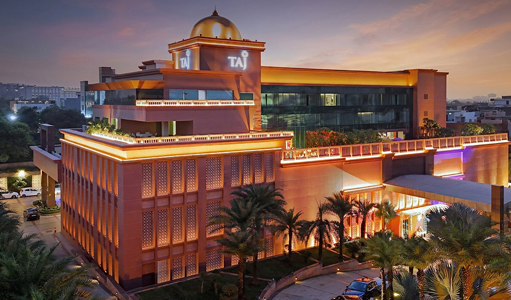
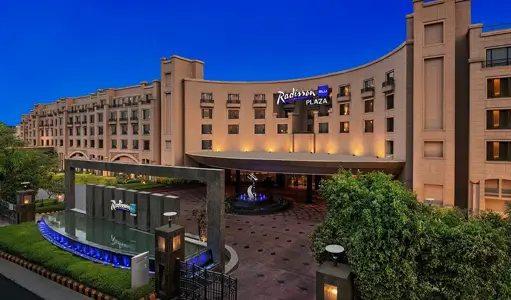
A comfortable journey should begin with accommodation. For quality four-star hotels, approximately ₹8,000 to ₹18,000 per room per night is a useful working range. Strong five-star and heritage properties may cost approximately ₹18,000 to ₹40,000 or more per room per night, while celebrated luxury hotels can exceed these figures substantially.
For nine hotel nights, a couple could therefore spend approximately ₹90,000 to ₹180,000 on comfortable accommodation. Selecting higher-end five-star properties can raise that expense to ₹180,000 to ₹360,000+ before any other travel costs are added.
Transportation is another major expense. A multi-city journey involving Delhi, Agra, Jaipur or Rajasthan may be considerably easier with a private car with driver in India. A ten-day private vehicle allowance of approximately ₹65,000 to ₹100,000 provides a useful premium working budget for two travelers. The actual amount depends on vehicle type, total kilometers, tolls, parking, state taxes and the operator's inclusions.
Meals can reasonably require ₹2,500 to ₹5,000 per person per day for travelers who want established restaurants and comfortable dining rather than selecting the cheapest food available. That produces a ten-day food allowance of approximately ₹25,000 to ₹50,000 per person.
Private guides, monument admission, airport transfers, tips and paid activities then add another layer. Travelers visiting multiple forts, palaces and monuments should not treat entrance fees as an insignificant expense.
This is why a realistic 10 day India travel budget can quickly reach ₹180,000–₹350,000 per person even without international airfare.
Make every day in India worth remembering with a private journey designed around your budget, interests and preferred comfort level.
The following ranges provide a useful framework for an international visitor seeking a comfortable or premium journey.
| Expense | Comfortable Range | Luxury Range |
| Hotels for 9 nights | ₹90,000–₹180,000 per room | ₹180,000–₹360,000+ per room |
| Private car and driver | ₹65,000–₹100,000 per vehicle | ₹100,000–₹160,000+ per vehicle |
| Meals | ₹25,000–₹50,000 per person | ₹50,000–₹100,000+ per person |
| Private/local guides | ₹12,000–₹30,000 per person | ₹30,000–₹60,000+ per person |
| Entrance tickets and activities | ₹12,000–₹30,000 per person | ₹30,000–₹70,000+ per person |
| Domestic transport | ₹10,000–₹35,000 per person | ₹35,000–₹80,000+ per person |
| Tips and incidental spending | ₹10,000–₹25,000 per person | ₹25,000–₹60,000+ per person |
| Emergency reserve | ₹15,000–₹30,000 per person | ₹30,000–₹60,000+ per person |
These figures are not fixed tariffs. They are intentionally useful as higher-side working estimates so travelers have enough room for quality services and unexpected expenses.
A traveler who books modest accommodation and uses trains can spend considerably less. At the other extreme, someone staying in palace hotels, booking suites, using premium vehicles and eating at luxury properties could spend considerably more.
The most important factor is consistency. A traveler expecting five-star accommodation should not calculate transportation, dining and activities using backpacker-level figures. The final India vacation cost for 10 days should reflect the actual standard expected throughout the journey.
Hotels can become the single largest component of a ten-day journey, especially when travelers want central locations and internationally recognized service standards.
For nine nights, an average room price of ₹10,000 creates an accommodation bill of ₹90,000. Increase the average to ₹20,000 and the total becomes ₹180,000. At ₹35,000 per night, nine nights cost ₹315,000.
This difference makes accommodation one of the first decisions travelers should make when calculating their 10 day India holiday cost.
A good four-star property can offer excellent value for travelers who spend most of their time outside sightseeing. Clean rooms, dependable air conditioning, breakfast, Wi-Fi, good security and a convenient location may be more valuable than elaborate resort facilities.
Five-star hotels make sense when travelers want stronger service, larger rooms, better restaurants, swimming pools, spas or quieter surroundings. They can also be particularly attractive after long road journeys.
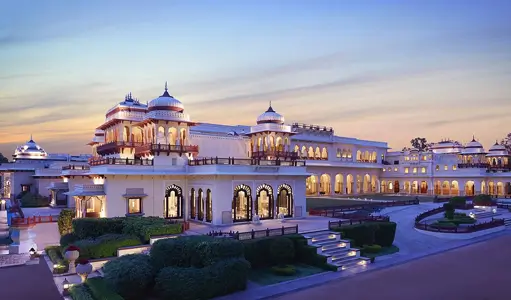
Heritage hotels deserve separate consideration. Historic havelis, converted palaces and former royal residences are especially common in Rajasthan. These properties can provide an accommodation experience very different from a conventional chain hotel.
A smart premium budget does not require the most expensive hotel every night. Travelers can use strong four-star or entry-level five-star properties for several nights and spend more on one or two distinctive heritage stays.
Hotel location is equally important. A cheaper room far outside the main sightseeing zone may require additional driving every morning and evening. Paying more for a centrally located property can save valuable time during a short ten-day journey.
International visitors should also check whether quoted room rates include breakfast and taxes. A hotel that initially appears cheaper may become less competitive after taxes, breakfast and other charges are added.
A ten-day multi-city journey involves more than simply moving between airports and hotels. Many popular routes require substantial road travel, making transportation quality an important part of the overall experience.
A private driver in India gives travelers control over departure times, rest stops and luggage. The vehicle remains available according to the agreed itinerary, which can be particularly useful for couples, families and older travelers.
For a premium ten-day calculation, approximately ₹65,000 to ₹100,000 per vehicle is a sensible working range for private road transportation. Higher-end vehicles, longer routes and additional services can push the total beyond ₹100,000.
The final price should be checked carefully. Travelers should ask whether the quotation includes fuel, tolls, parking, interstate taxes, driver allowance, driver accommodation and airport waiting.
Vehicle choice can also change the price considerably.
A sedan can work for one or two travelers with moderate luggage. However, a larger vehicle such as a Toyota Innova with driver generally provides more luggage space and better comfort for long road sectors. Families or groups may require a larger van or Tempo Traveller.
It is also important to distinguish a driver from a licensed sightseeing guide. A professional driver handles transportation and road logistics. A private guide provides detailed historical and cultural interpretation at monuments and attractions. Travelers who want both services should include both in their India private tour cost.
For ten days, spending slightly more on a dependable vehicle can provide better value than saving a small amount and spending hours in an uncomfortable car. Road sectors can be long, and the vehicle becomes an important part of the journey rather than simply an airport transfer.
India offers meals at almost every price level, which is why food budgets quoted online can sometimes appear extremely low.
International visitors seeking comfortable restaurants should use more realistic figures.
A daily food allowance of approximately ₹2,500 to ₹5,000 per person provides enough room for lunches, dinners, coffee, bottled drinks and snacks when hotel breakfast is included. Over ten days, that becomes approximately ₹25,000 to ₹50,000 per traveler.
Premium travelers should budget more. Dining frequently at five-star hotels, luxury resorts and high-end restaurants can easily move food expenditure toward ₹50,000 to ₹100,000+ per person across ten days.
Alcohol, where available, can increase restaurant bills substantially and should be treated separately if it forms part of the expected dining budget.
Travelers should also avoid judging restaurants purely by price. Food hygiene, location, reputation and the type of cuisine matter. A private driver or reputable local operator can often help identify established restaurants along road routes where online information may be less useful.
Hotel dining can be convenient after a long travel day, but it is usually more expensive than independent restaurants. Mixing hotel dinners with selected outside restaurants helps maintain variety without pushing every meal into the premium price category.
Food is therefore one of the more flexible components of the 10 days in India cost. It is possible to reduce spending without fundamentally changing the route or accommodation, but setting the budget too low can make dining unnecessarily restrictive.
Discover India's remarkable heritage, vibrant cities and unforgettable experiences on a journey planned just for you.
Sightseeing expenses deserve a dedicated allowance because a ten-day journey can involve a large number of ticketed attractions.
Foreign visitor admission prices at major Indian monuments are commonly higher than domestic rates. A route containing forts, palaces, museums, protected monuments and specialist attractions can therefore create a meaningful ticket bill.
A practical allowance is approximately ₹12,000 to ₹30,000 per person for admission and activities on a sightseeing-heavy ten-day journey. Travelers adding premium private activities should allocate more.
Private guides should be budgeted separately.
A good guide can be particularly valuable at historically complex sites. Instead of simply walking through a fort or palace, travelers receive context about architecture, political history, religious traditions and the people associated with the location.
Across several destinations, approximately ₹12,000 to ₹30,000 per person provides a reasonable allowance for selected private guiding. Specialist or premium services can cost more.
Travelers do not necessarily need a guide every day. Private guiding can be reserved for destinations where interpretation adds the greatest value.
Paid activities can include cultural performances, cooking sessions, food experiences, workshops and privately arranged local experiences. These can range from relatively inexpensive additions to premium services costing many thousands of rupees per person.
A good India tour budget should therefore contain a dedicated sightseeing and activity category rather than assuming hotel and transportation are the only substantial costs.
The word “budget” can mean different things to different travelers.
A lower-cost traveler may use clean basic hotels, trains, public transportation and inexpensive restaurants. A comfortable traveler may want four-star hotels, a private vehicle, established restaurants and selected guides. A luxury traveler may expect five-star hotels, heritage properties, upgraded rooms, premium vehicles and highly personalized service.
For ten days, a lower-cost independent journey can potentially remain below ₹120,000 per person, excluding international flights, depending heavily on hotel and transportation choices.
A comfortable private journey should more realistically be calculated around ₹180,000 to ₹350,000 per person.
A premium or luxury journey can reach ₹350,000 to ₹650,000+ per person, and ultra-luxury accommodation can push spending much higher.
These ranges should not be interpreted as fixed package prices. They are working budgets designed to help travelers determine which service level matches their expectations.
Someone accustomed to international five-star hotels may consider ₹180,000 restrictive. Another traveler may find ₹350,000 more than necessary. The correct 10 day India trip budget depends on the comfort level expected rather than a universal definition of affordable travel.
Two people sharing a room and vehicle can make private travel significantly more efficient.
Consider a couple booking a comfortable ten-day journey. Nine nights of hotels could cost approximately ₹130,000. A private vehicle could cost ₹80,000. Food might require ₹70,000 for two. Guides and entrance tickets could add ₹60,000, while tips, incidental expenses and a contingency reserve could require another ₹50,000.
That produces an estimated total of around ₹390,000 for two travelers, before international flights.
Increasing the accommodation standard, booking an Innova or premium vehicle, adding more private experiences and dining regularly at luxury properties could easily move the same journey toward ₹600,000 to ₹900,000+ for two people.
A luxury journey using exceptional hotels can exceed ₹1,000,000.
Couples should therefore compare the India trip cost for two based on the total shared expense rather than simply doubling a solo travel estimate. Accommodation, private transportation and some guiding expenses are shared, which can reduce the effective cost per person.
Solo travelers, by contrast, must absorb these fixed expenses alone unless they join group transportation or shared sightseeing.
A realistic budget needs room for costs that are rarely the headline items.
Airport meals, hotel laundry, bottled drinks, coffee stops, baggage charges, gratuities, mobile connectivity, currency-conversion charges and small purchases can accumulate quickly over ten days.
Domestic flights or trains may also require additional baggage fees or upgraded seating. Travelers moving between several cities should keep a separate transportation reserve rather than assuming every transfer is included in the main vehicle quotation.
Shopping can create an especially unpredictable expense. India offers textiles, jewelry, handicrafts, artwork, carpets, clothing and many other products. Since shopping habits differ dramatically, purchases should sit outside the core travel budget.
Travel insurance should also be treated separately because its price depends on nationality, age, trip value and coverage.
Keeping approximately ₹15,000 to ₹30,000 per person as a contingency reserve gives travelers considerably more flexibility. Premium travelers may prefer ₹30,000–₹60,000 or more.
The reserve does not need to be spent. Its purpose is to prevent an unexpected expense from disrupting the rest of the journey.
Reducing cost does not always mean reducing quality.
One of the most effective approaches is to spend selectively. A traveler may use comfortable four-star hotels for most nights and book one premium heritage property. The money saved can then be directed toward a larger vehicle, better guides or memorable activities.
Private transportation can also provide better value when two or more travelers share the vehicle. Instead of purchasing separate transfers for each road sector, one private vehicle may handle the complete route.
Hotel location deserves careful attention. Paying slightly more for a property near the main sightseeing area can reduce transportation time and make a short ten-day journey more efficient.
Another important factor is quotation transparency. A private India tour quote should clearly state what is included and excluded. Travelers should know whether accommodation taxes, breakfast, vehicle costs, tolls, parking, guides and attraction admission are included before making payment.
An extremely low quotation can be less attractive if substantial local payments are required after arrival.
For a ten-day journey, the best value usually comes from balancing accommodation, transportation and activities rather than making one category extremely luxurious while compromising heavily on everything else.
For international travelers seeking a comfortable private journey, ₹180,000 to ₹350,000 per person is a practical higher-side working budget for ten days, excluding international airfare.
For two people sharing accommodation and transportation, approximately ₹350,000 to ₹650,000 provides a useful comfortable range.
Travelers seeking a stronger luxury standard should consider approximately ₹700,000 to ₹1,000,000+ for two people, particularly when premium five-star hotels and private services are important.
The amount should be adjusted after the route is confirmed. Ten days covering three nearby destinations can cost substantially less than ten days involving domestic flights and long-distance transfers across several regions.
When requesting a custom private India tour, travelers should provide passenger count, arrival and departure cities, destinations, preferred hotel category, vehicle requirements and major interests. This allows a tour operator to calculate a meaningful quotation rather than supplying an unrealistic generic price.
A properly built 10 day India travel cost should cover the journey travelers actually want—not merely the cheapest version that can be advertised.
A comfortable private journey can reasonably cost around ₹180,000 to ₹350,000 per person, excluding international flights. Premium and luxury travel can reach ₹350,000–₹650,000 or considerably more.
Approximately ₹350,000 to ₹650,000 for two people is a useful comfortable working range when accommodation and private transportation are shared. Luxury travel can move toward ₹700,000–₹1,000,000+.
Approximately ₹90,000 to ₹180,000 per room provides a comfortable working range. Five-star and luxury accommodation can cost ₹180,000–₹360,000 or substantially more.
A comfortable allowance is approximately ₹25,000 to ₹50,000 per person. Frequent luxury hotel dining and high-end restaurants can push food expenses beyond ₹100,000 per person.
For a ten-day multi-city journey, approximately ₹65,000 to ₹100,000 per vehicle is a useful premium working estimate. Route, vehicle, distance and inclusions determine the final price.
Individual tickets may appear manageable, but visiting numerous forts, palaces and monuments can create a meaningful total. Keeping approximately ₹12,000 to ₹30,000 per person available for tickets and activities is sensible.
It can be more expensive than independent travel, but private transportation, selected guides and stronger accommodation provide greater convenience and control. The value depends on the traveler's priorities.
For one person excluding international airfare, ₹200,000 can support a comfortable journey if accommodation, route and activities are selected carefully. Premium hotel choices can require a significantly higher budget.
International airfare should normally be calculated separately because prices depend heavily on origin, airline, booking date and cabin class.
Check the exact hotel category, room type, vehicle, transportation inclusions, tolls, parking, driver expenses, guides, admission fees, meals, taxes and cancellation terms. Comparing complete inclusions is more useful than comparing headline prices alone.