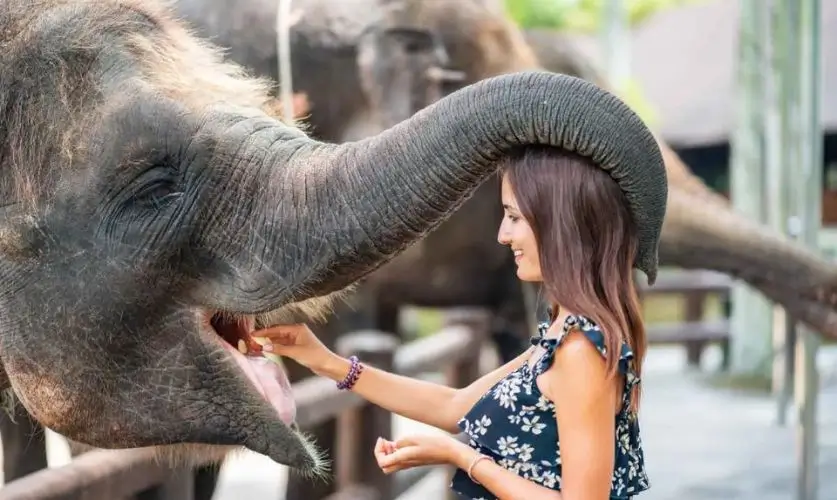
For many years, scientists believed emotions were largely a human characteristic, with only a few animals capable of experiencing complex feelings. Modern research has dramatically changed that perspective. Among all animals studied, elephants consistently demonstrate emotional behaviors so sophisticated that they often remind researchers of human relationships and emotional responses.
Visitors who spend time around elephants frequently describe the animals as expressive, sensitive and emotionally aware. They observe moments of affection, curiosity, excitement and even sadness. These observations are not simply emotional interpretations by humans. Scientific studies increasingly support the idea that elephants possess rich emotional lives shaped by memory, social bonds and advanced intelligence.
The emotional world of elephants plays a central role in their survival and social structure. Family relationships, cooperation, communication and caregiving all depend on emotional awareness. Without these abilities, elephant societies could not function as effectively as they do.
What makes elephants particularly fascinating is the way their emotions manifest through behavior. They comfort distressed companions, celebrate reunions, mourn lost family members and care deeply for their young. These actions closely resemble emotional responses commonly associated with humans.
Understanding elephant emotions changes the way people view these animals. They become more than wildlife attractions or symbols of strength. They emerge as individuals capable of forming meaningful relationships and responding emotionally to events in their lives.
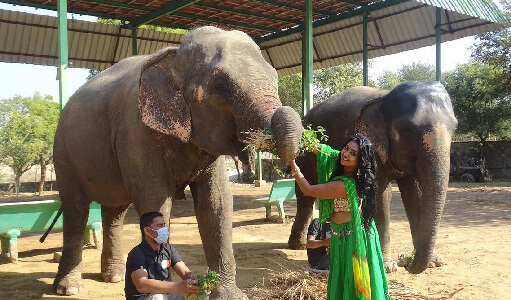
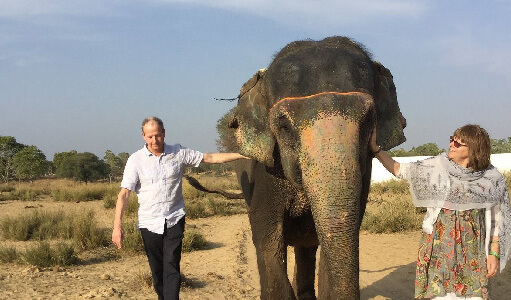
For travelers visiting ethical elephant experiences, learning about emotional intelligence often becomes one of the most memorable aspects of the encounter. Recognizing familiar emotional patterns in another species creates powerful connections and encourages greater respect for animal welfare and conservation.
The deeper scientists explore elephant behavior, the more evidence they find that emotions play a vital role in shaping how elephants interact with each other and the world around them.
Elephants don't just remember—they love, trust, comfort, and form lifelong bonds. Experience these remarkable emotions firsthand in an ethical sanctuary where every interaction is natural, respectful, and unforgettable.
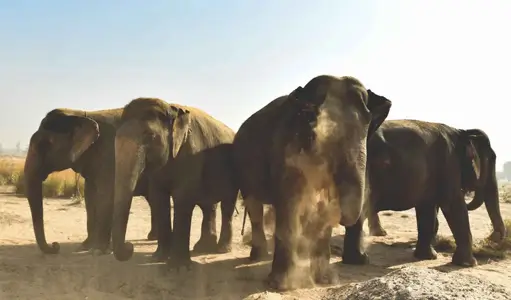
One of the strongest examples of elephant emotions can be found within their family relationships. Elephant families are among the most tightly connected social groups in the animal kingdom, and these relationships are built on emotional bonds that often last a lifetime.
Female elephants typically remain with their birth families throughout their lives. Mothers, daughters, sisters, aunts and grandmothers live together, travel together and support one another through every stage of life. Such long-term relationships require more than instinct alone. They depend on emotional attachment and social awareness.
Young calves receive constant attention and protection from multiple family members. Mothers show remarkable dedication to their offspring, while other females frequently assist with caregiving. This cooperative behavior demonstrates empathy, affection and concern for the wellbeing of others.
Researchers have observed elephants greeting family members with obvious excitement after periods of separation. These reunions often involve vocalizations, physical contact and energetic behavior that suggest genuine emotional responses. The enthusiasm displayed during these moments strongly resembles human reactions to seeing loved ones after a long absence.
Family relationships also provide emotional security. Calves rely on adults not only for protection but also for social learning and comfort. The presence of trusted family members helps young elephants navigate unfamiliar situations and challenges.
These deep emotional connections contribute significantly to the stability of elephant society. Family members support one another, share knowledge and work together to ensure collective survival. Their relationships reveal a level of emotional sophistication that continues to impress scientists and wildlife experts alike.
The importance of family demonstrates that elephant emotions are not occasional occurrences. They are woven into the fabric of everyday life and influence countless aspects of behavior.
Empathy is often considered one of the most advanced emotional traits. It involves recognizing the emotional state of another individual and responding appropriately. Numerous observations suggest that elephants possess this remarkable ability.
When an elephant becomes distressed, injured or frightened, other family members frequently respond with comforting behaviors. They may approach the individual, offer physical contact through their trunks or remain nearby until the situation improves. These actions indicate awareness of another elephant's emotional condition.
Scientists studying elephant empathy have documented many examples of supportive behavior. Distressed calves often receive reassurance from multiple adults. Injured individuals may be surrounded by companions offering protection and companionship.
Physical touch plays an important role in these interactions. Elephants frequently use their trunks to touch one another gently, much like humans might use a hug or reassuring touch. Such gestures appear to provide comfort and strengthen social bonds.
Empathy also influences group behavior. When one member becomes alarmed, others often respond collectively. This coordinated reaction helps protect vulnerable individuals while maintaining family cohesion.
The ability to recognize and respond to another's emotional state requires significant cognitive sophistication. It suggests that elephants understand more than simple behavioral cues. They appear capable of perceiving emotional conditions and adjusting their behavior accordingly.
These observations challenge traditional assumptions about animal emotions. They demonstrate that empathy is not exclusively human and may play an important role in the social lives of highly intelligent species.
For visitors observing elephants in ethical environments, moments of empathy often provide some of the clearest evidence of emotional complexity.
Perhaps the most powerful evidence of elephant emotions comes from their responses to death. Researchers, wildlife guides and conservationists have documented numerous examples of behavior suggesting that elephants experience grief in ways that resemble human mourning.
When a family member dies, elephants often remain near the body for extended periods. They may touch the deceased individual with their trunks, gently investigate the body and display unusually quiet behavior. These responses suggest awareness that something significant has occurred.
Particularly striking is the attention elephants pay to bones and remains. Studies have shown that elephants frequently stop to examine the bones of deceased elephants. They touch skulls, tusks and other remains with remarkable care and attention. Such behavior appears different from their reactions to the remains of other animals.
Researchers have also observed elephants revisiting locations associated with deceased family members. These repeated visits suggest long-term memory combined with emotional significance.
The exact nature of elephant grief remains difficult to measure scientifically. However, the consistency of these observations across different populations and environments strongly indicates emotional responses to loss.
Grief serves an important social function. Strong family bonds create emotional investment in relationships, making the loss of a companion meaningful. The mourning behaviors observed among elephants reflect the depth of these connections.
Understanding elephant grief encourages greater appreciation for their emotional lives. It highlights the importance of social relationships and demonstrates that elephants experience events in ways that extend beyond simple survival instincts.
Few animal behaviors have had a greater impact on public perception of elephant intelligence and emotional awareness than their apparent responses to death.
While grief often receives significant attention, elephants also display positive emotions that reveal another side of their emotional world. Joy, excitement and playfulness appear frequently throughout elephant life.
Young elephants are particularly playful. They chase one another, wrestle, roll in mud and interact with objects purely for enjoyment. These activities resemble play behavior observed in many intelligent mammals and contribute to social development.
Adults also participate in playful behavior. Researchers have documented elephants engaging with water, exploring new objects and interacting socially in ways that appear motivated by curiosity and enjoyment rather than necessity.
Reunions provide some of the clearest examples of positive emotions. Family members separated for long periods often greet one another enthusiastically. Vocalizations increase, physical contact becomes more frequent and behavior appears energetic and excited.
Such celebrations suggest emotional recognition of important social relationships. The excitement displayed during reunions closely resembles human expressions of happiness when reconnecting with loved ones.
Playfulness serves practical purposes as well. It encourages learning, strengthens social bonds and supports cognitive development. However, the enjoyment visible during these activities suggests that elephants participate because they genuinely find them rewarding.
The presence of positive emotions balances the narrative surrounding elephant behavior. These animals are not simply capable of grief and concern. They also experience joy, curiosity and excitement, creating emotional lives rich in both positive and negative experiences.
Observing playful behavior often leaves strong impressions on visitors because it highlights similarities between elephant and human social interactions.
A gentle touch of the trunk, a quiet gaze, or a playful moment can say more than words ever could. Discover the emotional world of rescued elephants and experience a connection you'll never forget.
Emotions are not merely interesting characteristics. They play a practical role in helping elephants survive and thrive within complex social environments.
Family cooperation depends heavily on emotional awareness. Caring for calves, protecting vulnerable individuals and maintaining social stability all require understanding and responding to emotional cues. Empathy, affection and trust strengthen relationships and improve group cohesion.
Emotional intelligence also supports learning. Young elephants observe adults and develop social skills through interaction. Recognizing emotional signals helps them navigate relationships and understand appropriate behavior.
Leadership within elephant families often depends on emotional awareness. Experienced matriarchs guide groups through challenging situations while maintaining social harmony. Their ability to respond effectively to both environmental and social challenges contributes to family success.
Communication further demonstrates the connection between emotion and survival. Vocalizations, body language and touch all convey emotional information that influences group behavior. Effective communication helps families coordinate movement, respond to threats and maintain strong social bonds.
The evolutionary success of elephants may be partly attributed to these emotional capabilities. By fostering cooperation and strengthening relationships, emotions contribute directly to survival and reproductive success.
Understanding this connection highlights the practical importance of emotional intelligence. Emotions are not separate from survival. They are deeply integrated into the social systems that make elephant societies so successful.
Learning about elephant emotions changes the way people think about wildlife. Recognizing empathy, grief, joy and affection in another species encourages deeper respect and understanding.
For conservation efforts, emotional awareness can be particularly powerful. People are often more motivated to protect animals when they understand their complexity and individuality. Realizing that elephants form strong family bonds and experience emotional responses similar to humans creates stronger connections.
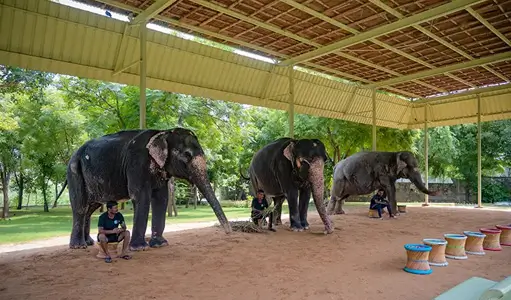
Visitors participating in ethical elephant experiences frequently describe emotional intelligence as one of the most surprising aspects of their encounters. Observing interactions between elephants reveals dimensions of behavior that are difficult to appreciate through photographs or documentaries alone.
Elephant emotions also remind humans that intelligence takes many forms. While elephants differ from people in countless ways, their emotional lives demonstrate remarkable similarities. These shared characteristics create opportunities for empathy across species boundaries.
As scientific understanding continues to grow, elephants increasingly challenge traditional distinctions between human and animal behavior. Their emotional complexity highlights the importance of treating wildlife with respect and considering welfare as a central part of conservation.
The emotional world of elephants is ultimately a story about connection. It reveals how relationships, memory and social bonds shape lives in ways that transcend species. Understanding these emotions helps people appreciate elephants not only as wildlife but as intelligent, feeling individuals worthy of admiration and protection.
Research suggests elephants experience emotions including joy, grief, empathy, affection and excitement.
Observations of mourning behavior indicate that elephants may experience sadness when family members die.
Yes. Elephants often respond to distressed companions with physical contact and supportive behavior.
Female elephants typically remain with their families for life, creating long-lasting emotional connections.
Playfulness, reunions and social interactions suggest elephants experience positive emotions such as happiness and excitement.
Elephant empathy refers to their ability to recognize and respond to the emotional state of another individual.
Yes. Elephants have exceptional memories and can recognize relatives after many years apart.
Trunk contact is often used for communication, reassurance and strengthening social bonds.
Researchers observe behavior, social interactions, communication patterns and responses to significant events.
It promotes respect, supports conservation efforts and encourages better animal welfare practices.