The Golden Triangle India, connecting Delhi, Agra, and Jaipur, is the country's most popular travel route for international visitors. Famous monuments such as the Taj Mahal, Amber Fort, Agra Fort, City Palace, Qutub Minar, and India Gate attract millions of tourists every year. While the route offers an outstanding introduction to India's history, architecture, and culture, it also becomes noticeably busier during the peak travel season. Understanding when crowds are at their highest and learning a few practical strategies to avoid them can make a significant difference to the overall travel experience.
For many first-time visitors, crowd levels come as a surprise. It is not unusual to see long queues outside major monuments, busy hotel lobbies, fully booked trains, and heavy traffic around popular sightseeing areas during the busiest months. These crowds are created by a combination of international tourists, domestic holidaymakers, school vacations, festivals, and weekend travel, all of which increase visitor numbers across northern India.
Despite these busy periods, travelling during the peak season remains popular because the weather is generally far more comfortable than during the hotter summer months. Pleasant daytime temperatures encourage visitors to spend longer exploring outdoor attractions, walking through historic forts, enjoying rooftop restaurants, and participating in cultural activities. As a result, demand for hotels, transportation, and guided tours increases significantly.
Crowds affect more than just waiting times. Heavy traffic can extend travel between attractions, restaurants may require advance reservations, photography becomes more challenging at famous viewpoints, and accommodation prices often rise because of increased demand. Visitors who understand these seasonal patterns can adjust their itinerary to avoid the busiest times while still enjoying the same remarkable destinations.
Fortunately, avoiding the largest crowds does not necessarily require travelling during the off-season. Small adjustments such as choosing the right time of day, visiting monuments in a different order, booking tickets online, staying near major attractions, and travelling on weekdays instead of weekends can dramatically improve the sightseeing experience.
The Golden Triangle is supported by excellent tourism infrastructure, allowing travelers considerable flexibility when organizing their itinerary. Hotels are available across different neighborhoods, transportation options are frequent, and many attractions remain open for extended hours, giving visitors opportunities to avoid peak visitor periods.
This guide explains when the Golden Triangle experiences its highest visitor numbers, how crowds affect sightseeing in Delhi, Agra, and Jaipur, and the practical steps travelers can take to enjoy a more comfortable and rewarding holiday without missing any of the route's most famous attractions.
The busiest period for the Golden Triangle tour generally falls between October and March. During these months, northern India enjoys pleasant daytime temperatures, cooler evenings, and relatively dry weather, creating ideal conditions for sightseeing. Comfortable weather encourages visitors to spend full days exploring historical monuments, gardens, markets, and outdoor cultural attractions, making this the preferred travel season for both international and domestic tourists.
International holiday calendars also contribute to increased visitor numbers. Many travelers from Europe, North America, Australia, and other regions choose to visit India during their winter holidays, when the climate in Rajasthan and northern India is considerably warmer than in their home countries. At the same time, domestic tourism rises during school vacations, long weekends, and national holidays, creating especially busy conditions at major attractions.
The Taj Mahal experiences some of the highest visitor numbers in the country during this period. Sunrise is widely regarded as the best time to visit because of the softer light and cooler temperatures. As a result, entrance queues begin forming well before the monument opens. Visitors arriving later in the morning often encounter significantly larger crowds, longer security checks, and increased waiting times.
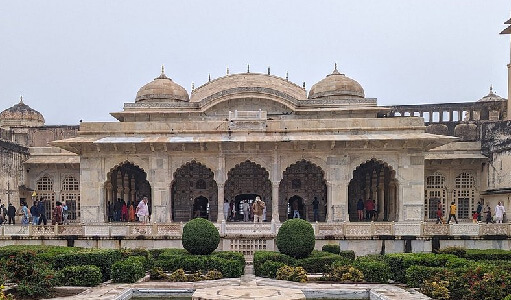
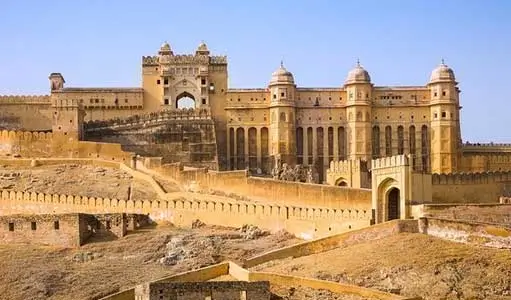
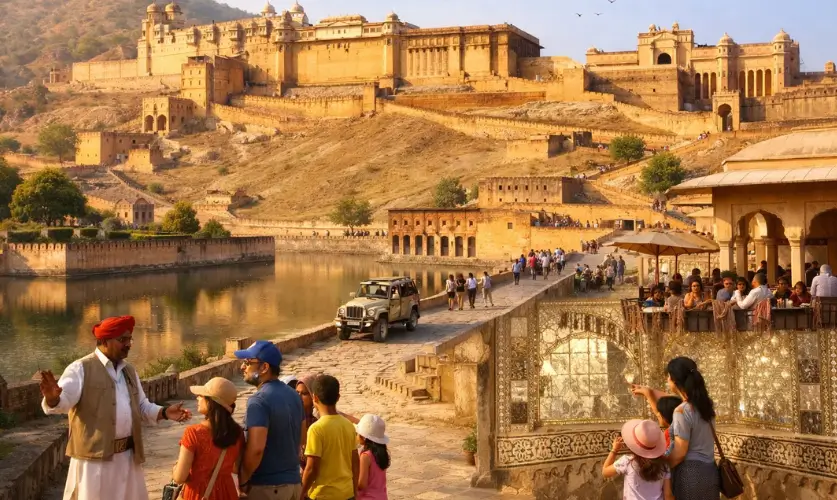
In Jaipur, popular attractions including Amber Fort, City Palace, Hawa Mahal, and Jantar Mantar become particularly busy from late morning through the afternoon. Tour buses, school groups, and independent travelers frequently arrive during the same period, making early morning visits much more enjoyable for those wishing to avoid congestion.
Delhi experiences similar patterns. Monuments such as Qutub Minar, Humayun's Tomb, and India Gate attract steady visitor numbers throughout the day, while markets like Chandni Chowk become especially crowded during weekends and public holidays.
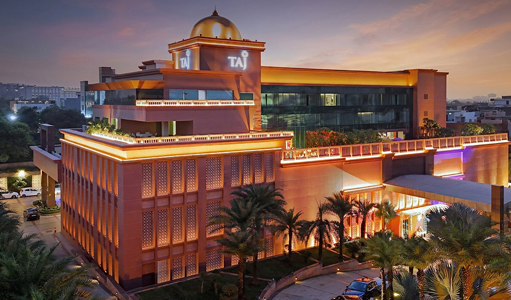
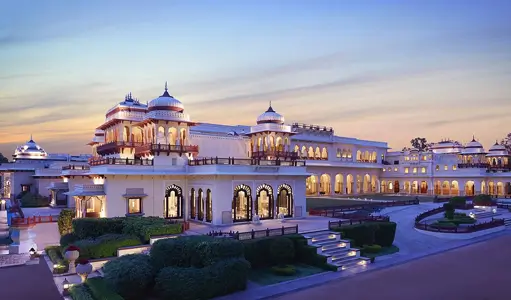
Accommodation demand also increases considerably during the peak season. Heritage hotels in Jaipur, luxury properties overlooking Lake Pichola in Udaipur for extended itineraries, and premium hotels near the Taj Mahal often reach full occupancy well in advance. Travelers who delay booking may find themselves paying considerably higher rates or staying farther from the main attractions.
Transportation follows a similar trend. Premium trains between Delhi and Agra, domestic flights, chauffeur-driven vehicles, and guided tours frequently sell out during busy weeks. Advance reservations become increasingly important for visitors wishing to maintain flexible sightseeing schedules.
It is important to remember that "peak season" does not mean every attraction remains crowded throughout the day. Visitor numbers fluctuate significantly depending on the hour, the day of the week, and local events. Travelers who plan their itinerary carefully can still enjoy many famous landmarks under relatively relaxed conditions even during the busiest months.
Although the Golden Triangle India is often discussed as a single travel circuit, crowd levels vary considerably between Delhi, Agra, and Jaipur. Understanding these differences allows travelers to organize sightseeing more efficiently and avoid spending unnecessary time waiting in queues or traffic.
Delhi is India's capital and one of the busiest cities in the world, so visitors should expect heavy traffic throughout much of the day. However, unlike Agra or Jaipur, tourist attractions are spread across different parts of the city rather than concentrated in one location.
Popular sites such as Qutub Minar, Humayun's Tomb, Lotus Temple, India Gate, and Red Fort remain busy during weekends and public holidays, but crowd levels are usually manageable if visitors arrive shortly after opening time.
The largest delays in Delhi often occur on the roads rather than inside monuments. Morning and evening rush hours can significantly increase travel time between attractions. A journey that normally requires twenty minutes may take an hour during peak traffic.
Markets such as Chandni Chowk, Sarojini Nagar, Connaught Place, and Dilli Haat become particularly crowded during evenings and weekends. Travelers interested in shopping generally enjoy a more relaxed experience by visiting on weekday mornings.
Among all three cities, Agra experiences the highest concentration of visitors because of the Taj Mahal. Nearly every traveler visiting Agra plans to see the monument, meaning crowd levels rise rapidly after sunrise.
The quietest period is usually immediately after the gates open. Visitors arriving early not only enjoy cooler temperatures but also experience shorter security queues and better opportunities for photography before larger tour groups arrive.
Between approximately 10:00 AM and 2:00 PM, visitor numbers often reach their highest level. Security checks become slower, popular viewpoints become crowded, and photography may require additional patience.
Fortunately, Agra offers several outstanding attractions beyond the Taj Mahal. Agra Fort, Mehtab Bagh, and Itmad-ud-Daulah's Tomb generally receive fewer visitors while providing exceptional historical and architectural experiences. Including these attractions creates a more balanced itinerary instead of spending the entire day at one monument.
Jaipur combines historical attractions with active local markets, making the city lively throughout the year. Popular landmarks such as Amber Fort, City Palace, Hawa Mahal, Jantar Mantar, and Nahargarh Fort receive large visitor numbers, particularly between late morning and early afternoon.
Amber Fort often becomes busiest after tour buses begin arriving from central Jaipur. Visitors reaching the fort soon after opening usually experience quieter courtyards, shorter ticket queues, and more comfortable weather for exploring the extensive palace complex.
Markets including Johari Bazaar, Bapu Bazaar, and Tripolia Bazaar remain active throughout the day but become particularly crowded during evenings when both tourists and local residents visit for shopping.
Overall, Jaipur feels less congested than Delhi while offering more space than the areas immediately surrounding the Taj Mahal, making it comfortable to explore with a well-planned schedule.
Peak season should never mean compromising on the experience. Travel with a thoughtfully planned itinerary, private transportation and local expertise to discover Delhi, Agra and Jaipur at a more relaxed pace—without missing the moments that matter.
One of the simplest ways to avoid crowds is by adjusting the time of day rather than changing the travel season.
Early mornings consistently provide the most comfortable sightseeing conditions across the entire Golden Triangle. Temperatures remain pleasant, lighting is excellent for photography, and visitor numbers are considerably lower than later in the day.
The Taj Mahal is widely regarded as most beautiful shortly after sunrise. Soft natural light enhances the white marble while the surrounding gardens remain relatively peaceful before larger tour groups arrive.
Similarly, visiting Amber Fort during the first hour after opening allows travelers to enjoy the courtyards, palace rooms, and panoramic viewpoints with fewer visitors.
In Delhi, beginning sightseeing early also helps avoid increasing road traffic as the day progresses.
Late afternoons can also be an excellent choice for certain attractions. As organized day tours begin returning to hotels, some monuments become noticeably quieter, particularly outside weekends and public holidays.
Midday is generally the busiest period for both crowds and temperatures. Whenever possible, travelers may prefer using this time for lunch, museum visits, hotel breaks, or indoor cultural activities before returning to outdoor sightseeing later in the afternoon.
The choice between weekdays and weekends has a surprisingly large impact on crowd levels.
Weekdays generally provide a far more relaxed sightseeing experience across Delhi, Agra, and Jaipur. Schools remain open, many domestic travelers are working, and tour groups are more evenly distributed throughout the week.
Weekends, especially Saturdays and Sundays, often bring substantial increases in domestic tourism. Families, student groups, photographers, and local visitors travel to famous monuments, making parking areas, restaurants, and ticket counters noticeably busier.
Public holidays and festival periods can increase visitor numbers even further. Hotels frequently reach full occupancy, transportation becomes more expensive, and attraction queues grow considerably longer.
Travelers with flexible schedules should therefore consider arranging monument visits during weekdays whenever possible.
From the Taj Mahal at sunrise to Jaipur’s royal heritage, experience the Golden Triangle with carefully timed visits, comfortable private travel and a journey designed around your pace.
Avoiding crowds does not require skipping famous attractions. Instead, a few practical decisions can make the entire trip significantly more comfortable.
Booking online tickets before arrival reduces waiting time at ticket counters, particularly at the Taj Mahal, Red Fort, and several other major monuments.
Choosing hotels located near planned sightseeing areas also minimizes time spent in traffic. Staying close to central tourist districts allows visitors to begin sightseeing earlier than those travelling longer distances from suburban accommodation.
Starting each sightseeing day early remains one of the most effective strategies. Even arriving thirty to sixty minutes earlier than most visitors often creates a dramatically different experience.
Hiring a private chauffeur rather than relying on multiple taxis can also improve efficiency. Drivers familiar with local traffic patterns often recommend alternative routes or adjust sightseeing order according to current conditions.
Keeping itineraries flexible is equally valuable. If one attraction appears unusually crowded, travelers can simply visit another nearby monument first and return later when visitor numbers decrease.
Finally, allowing additional time between activities prevents unnecessary stress. Heavy traffic, security checks, and photography opportunities occasionally extend sightseeing longer than originally expected.
Peak travel months bring increased demand for hotels and transportation throughout the Golden Triangle.
Booking accommodation several weeks or months in advance provides greater choice and often better prices. Hotels located near major attractions usually sell out first, especially luxury heritage properties and highly rated boutique hotels.
Transportation should also be reserved early. Premium trains between Delhi and Agra, private chauffeur services, and domestic flights frequently reach full capacity during busy periods.
Visitors travelling by road should begin intercity journeys early in the morning whenever possible. Leaving before rush hour reduces traffic delays and allows additional sightseeing time after arrival.
Keeping digital copies of transportation tickets, hotel confirmations, attraction bookings, and identification documents ensures smoother travel throughout the itinerary.
Although peak season naturally attracts more visitors, careful preparation allows travelers to experience the Golden Triangle comfortably while enjoying excellent weather, vibrant local culture, and some of India's finest historical monuments.
The busiest period is generally between October and March, when pleasant weather attracts both international and domestic tourists.
Agra, particularly around the Taj Mahal, usually experiences the highest concentration of visitors.
Shortly after sunrise, when temperatures are cooler and visitor numbers are lower.
Yes. Weekdays generally have fewer visitors, shorter queues, and lighter traffic.
Yes. Online booking saves time and reduces waiting at ticket counters.
Yes. Accommodation rates often rise because of higher demand, especially near major attractions.
Traffic can be significant in Delhi and around popular tourist areas, particularly during morning and evening rush hours.
Absolutely. Early starts, advance bookings, and a flexible itinerary make sightseeing much more comfortable.
Yes. Premium trains, chauffeur-driven vehicles, and guided tours should be reserved well in advance.
Begin sightseeing early each morning, travel on weekdays whenever possible, pre-book tickets online, and avoid visiting the most popular attractions during the middle of the day.