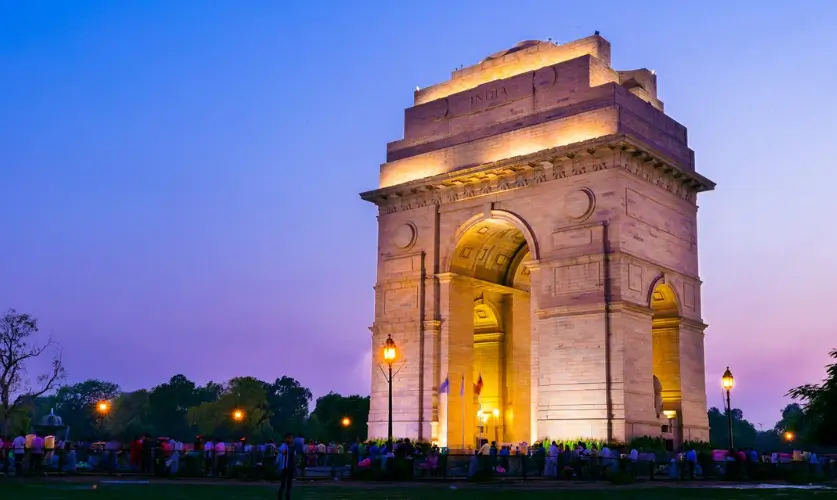
The Golden Triangle India is the country's most famous travel circuit, connecting Delhi, Agra, and Jaipur. This route introduces international visitors to some of India's most celebrated landmarks, including the Taj Mahal, Agra Fort, Amber Fort, City Palace, Qutub Minar, India Gate, and numerous UNESCO World Heritage Sites. Because these three cities are well connected by modern highways, railways, and domestic transportation, many first-time visitors wonder whether hiring a professional guide is actually necessary or whether they can comfortably complete the journey on their own.
The answer depends less on the route itself and more on individual travel preferences. Thousands of international tourists complete the Golden Triangle tour independently every year using trains, domestic flights, app-based transportation, private taxis, and pre-booked hotels. At the same time, many visitors choose organized tours or private guides because they prefer local expertise, historical explanations, logistical convenience, and assistance navigating unfamiliar environments.
Unlike remote regions requiring specialized equipment or permits, the Golden Triangle is one of India's most developed tourism corridors. Major attractions are supported by established infrastructure including international airports, modern expressways, quality hotels, multilingual guides, restaurants, shopping districts, and well-developed tourism services. This makes independent travel considerably easier than in many other parts of the country.
Technology has also transformed the travel experience. Online hotel reservations, GPS navigation, digital payment systems, ride-hailing applications, electronic attraction tickets, translation applications, and real-time transportation updates have significantly reduced the challenges once associated with independent travel. Visitors can now organize almost every aspect of their journey before leaving home while retaining the flexibility to make adjustments along the way.
However, travelling independently also requires greater personal responsibility. Visitors need to arrange transportation between cities, purchase attraction tickets, understand opening hours, organize accommodation, monitor train schedules, manage luggage, and remain aware of local customs. While none of these tasks are particularly difficult, they do require preparation and basic planning before arrival.
Hiring a guide offers different advantages. Knowledgeable local guides explain historical events, architectural details, cultural traditions, and lesser-known stories that many visitors might otherwise overlook. They also help visitors navigate large monuments efficiently, reducing time spent locating entrances, ticket counters, and important viewpoints.
Budget is another significant factor. Independent travel often reduces overall expenses because visitors choose their own hotels, transportation, and sightseeing pace. Organized tours usually cost more but include logistical convenience that some travelers consider well worth the additional expense.
There is no universal answer suitable for every traveler. A solo backpacker, a retired couple, a family with children, a professional photographer, and a luxury traveler may all choose different approaches while visiting exactly the same destinations. Understanding the advantages and limitations of independent travel compared with guided experiences helps visitors select the option best suited to their expectations, travel style, and available time.
This guide explains whether completing the Golden Triangle without a guide is practical, the situations where local guides provide genuine value, estimated costs, transportation options, safety considerations, and useful advice for first-time visitors exploring India's most popular travel route.
Completing the Golden Triangle tour without a professional guide is entirely possible for most international visitors. The route connecting Delhi, Agra, and Jaipur is among the country's best-developed tourism corridors, supported by reliable transportation, international-standard accommodation, multilingual hospitality services, and extensive visitor facilities. With reasonable preparation, many travelers comfortably organize the entire journey themselves while enjoying complete flexibility throughout their holiday.
One of the greatest advantages of independent travel is freedom. Visitors decide how many days to spend in each city, which attractions deserve additional time, where to eat, when to begin sightseeing, and whether to include nearby destinations such as Fatehpur Sikri, Abhaneri, Pushkar, Ranthambore National Park, or Udaipur. Organized group tours often follow strict schedules, while independent travelers can adapt their itinerary according to personal interests.
Booking accommodation has become remarkably straightforward. International booking platforms provide thousands of verified hotels ranging from affordable guesthouses to luxury heritage palaces. Detailed reviews, photographs, location maps, and guest ratings help travelers make informed decisions long before arriving in India.
Transportation between cities is equally accessible. High-speed trains connect Delhi and Agra efficiently, while modern expressways allow comfortable travel by private vehicle or chauffeur-driven taxi. Jaipur is also well connected through highways and rail services, making movement between destinations relatively simple.
Digital navigation has significantly reduced many traditional travel challenges. GPS applications provide accurate walking directions inside cities, helping visitors locate monuments, restaurants, cafés, shopping areas, and transportation services without relying entirely on printed maps or local directions.
Purchasing attraction tickets has also become more convenient. Many of India's major monuments now offer online ticket booking, reducing waiting times and allowing visitors to organize sightseeing schedules more efficiently. This is especially valuable at internationally popular attractions such as the Taj Mahal, where visitor numbers increase considerably during peak travel seasons.
Independent travel also encourages greater interaction with local communities. Without a fixed group itinerary, travelers often spend more time exploring neighborhood markets, local restaurants, artisan workshops, and quieter areas rarely included in organized sightseeing programs. These spontaneous experiences frequently become some of the most memorable moments of the entire journey.
From a financial perspective, independent travel often allows better control over expenses. Visitors select hotels according to their budget, choose transportation based on personal preferences, and decide which paid attractions deserve priority. Rather than paying for packaged services they may not require, travelers allocate resources according to their individual interests.
Nevertheless, independent travel requires organization. Hotel reservations, transportation schedules, monument timings, luggage management, and city-to-city transfers become the traveler's responsibility. Visitors comfortable making these arrangements generally find the Golden Triangle highly manageable without a full-time guide.
Although many visitors comfortably complete the Golden Triangle India independently, there are situations where hiring a professional guide genuinely improves the overall experience. A knowledgeable guide offers much more than directions between attractions. They provide historical context, explain architectural details, answer questions, recommend efficient sightseeing routes, and help visitors understand the cultural significance of monuments that might otherwise appear to be simply beautiful buildings.
The Taj Mahal is a perfect example. Without historical interpretation, visitors admire an extraordinary marble monument. With an experienced guide, they learn about Emperor Shah Jahan, Mumtaz Mahal, Mughal architecture, gemstone inlay techniques, optical design, construction methods, symmetry, and the engineering achievements that continue to impress architects around the world. This additional knowledge often transforms the visit from sightseeing into a far richer cultural experience.
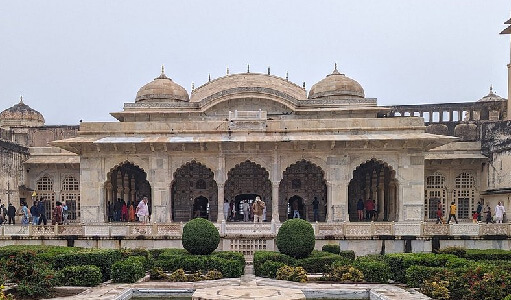
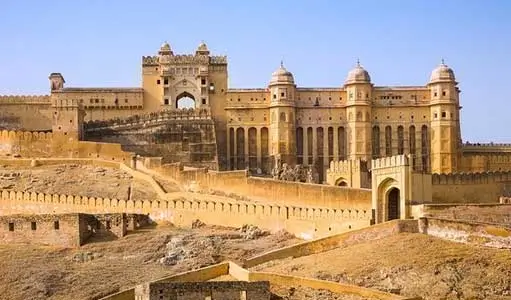
The same applies to Amber Fort in Jaipur. While the impressive courtyards, gateways, and palaces are visually stunning, understanding the fort's defensive design, royal ceremonies, hidden passages, mirror work, water management systems, and historical battles creates a deeper appreciation of the monument.
Professional guides also save valuable time. Popular attractions often have multiple entrances, ticket counters, museum sections, viewpoints, and restricted areas. A guide familiar with visitor flow can organize the visit efficiently, helping travelers avoid unnecessary walking or confusion while ensuring that important architectural highlights are not overlooked.
Photography enthusiasts also benefit from local knowledge. Experienced guides frequently recommend the best viewpoints, ideal lighting conditions, and quieter locations where memorable photographs can be taken away from the busiest crowds.
Language assistance provides another advantage. Although English is widely spoken throughout major tourist destinations, guides can help communicate with local vendors, transportation providers, or hotel staff whenever necessary, reducing misunderstandings during the journey.
Hiring a guide does not necessarily mean joining a large tour group. Many visitors prefer private guides, allowing complete flexibility while still benefiting from professional local knowledge. Travelers maintain control over their schedule while receiving detailed explanations tailored to their own interests.
Travel independently, but never compromise on comfort or local expertise. Enjoy the freedom of a private chauffeur, with trusted local guides at India’s most iconic monuments - creating a seamless Golden Triangle experience designed around you.
One area that often confuses first-time visitors is the difference between hiring a private driver and hiring a professional tour guide. While some travel companies combine both services, they perform very different roles.
A private driver is responsible for transportation between destinations. They collect passengers from hotels, drive safely between cities, assist with luggage, recommend restaurants or rest stops, and ensure comfortable travel throughout the itinerary. Many experienced drivers also possess basic knowledge about nearby attractions and local customs, although they are not licensed historians or official monument guides.
A professional guide, on the other hand, specializes in explaining historical, architectural, cultural, and religious aspects of individual attractions. Guides accompany visitors through monuments, describing the significance of sculptures, artwork, construction techniques, royal history, and cultural traditions associated with each site.
Many independent travelers choose an excellent compromise by hiring a chauffeur-driven car for the complete Golden Triangle route while booking official local guides only at major attractions such as the Taj Mahal, Agra Fort, Amber Fort, City Palace, and Qutub Minar. This approach combines transportation flexibility with high-quality historical interpretation while remaining more affordable than booking a fully escorted private tour.
For travelers uncomfortable navigating unfamiliar roads, hiring an experienced driver often provides greater value than attempting to rent and drive a vehicle independently. Indian driving conditions, traffic patterns, and road etiquette differ considerably from many Western countries, making professional drivers an attractive option for first-time visitors.
Safety is naturally one of the first concerns for international travelers considering an independent Golden Triangle tour. Fortunately, the route between Delhi, Agra, and Jaipur is among the most frequently visited tourist circuits in India and is supported by extensive tourism infrastructure.
Hotels ranging from budget accommodation to luxury heritage properties operate throughout all three cities. Major tourist areas remain busy throughout the day, transportation services are widely available, and popular attractions receive large numbers of international visitors every day.
Most travelers complete the journey without encountering significant problems. However, common travel precautions remain important. Using licensed transportation providers, booking accommodation through reputable platforms, keeping valuables secure, avoiding isolated areas late at night, and remaining aware of common tourist scams contribute significantly to a comfortable experience.
Solo travelers should share itinerary details with family members, keep emergency contact information available, and carry both printed and digital copies of passports, visas, hotel reservations, and travel insurance documents.
Women travelling independently may prefer choosing accommodation in well-reviewed central locations, using app-based transportation, and avoiding unnecessary late-night travel in unfamiliar neighborhoods. These recommendations are similar to those followed in many major international cities.
Purchasing comprehensive travel insurance before departure is also strongly recommended. Medical emergencies, flight delays, baggage loss, and unexpected itinerary changes are easier to manage with appropriate insurance coverage.
Overall, careful preparation combined with ordinary travel awareness allows most visitors to enjoy the Golden Triangle comfortably without requiring a full-time guide.
From Delhi’s historic streets to the Taj Mahal and Jaipur’s royal heritage, experience the Golden Triangle at your own pace with seamless private travel and expert local guidance when it matters most.
Budget plays an important role when deciding whether to travel independently or book an organized tour.
Independent travelers have complete control over accommodation, restaurants, transportation, and sightseeing expenses. Budget hotels, mid-range properties, luxury heritage hotels, trains, buses, or private vehicles can all be selected according to personal preferences. This flexibility often results in lower overall costs compared with packaged tours.
Private guided tours generally include transportation, accommodation, sightseeing coordination, and logistical support. Although these packages cost more, they reduce planning responsibilities and simplify the entire journey.
Hiring official guides only at major monuments represents an effective balance between cost and experience. Visitors benefit from professional historical explanations without paying for continuous guiding services throughout the entire trip.
Travelers should also remember that organized tours occasionally include shopping stops arranged through commercial partnerships. Independent travelers remain free to decide where and when they wish to shop without following predetermined schedules.
Ultimately, neither option is universally better. The most suitable choice depends on personal priorities rather than budget alone.
Preparing a few essential details before arrival contributes significantly to a smooth and enjoyable journey.
Hotel reservations should ideally be completed before reaching India, particularly during the busiest travel months when popular properties often reach full occupancy.
Major attraction tickets, especially for the Taj Mahal, can be purchased online in advance, reducing waiting times at ticket counters.
Comfortable walking shoes are highly recommended because attractions such as Amber Fort, Agra Fort, and Qutub Minar involve extensive walking across large historical complexes.
Visitors should carry drinking water, sunscreen, sunglasses, and lightweight clothing suitable for changing weather conditions. Religious sites require modest dress, making clothing that covers shoulders and knees advisable.
Maintaining a flexible itinerary also improves the experience. Rather than attempting to visit every attraction within a limited timeframe, allowing additional time for unexpected discoveries, cafés, museums, photography, or local markets often creates a far more enjoyable holiday.
Whether travelling independently or with professional assistance, the Golden Triangle offers an outstanding introduction to India's remarkable architecture, royal history, cultural diversity, and hospitality. The route is sufficiently developed for confident independent travel while also offering excellent professional services for those who prefer additional guidance.
Yes. Thousands of international visitors travel independently using trains, private cars, taxis, flights, and pre-booked accommodation.
Yes. It is India's most developed tourist circuit and offers excellent transportation, hotels, and visitor facilities.
A professional guide greatly enhances the visit by explaining the monument's history, architecture, and symbolism.
For most international visitors, hiring an experienced driver provides greater convenience and reduces the challenges of unfamiliar road conditions.
A comfortable itinerary generally requires 6 to 8 days, allowing adequate time in Delhi, Agra, and Jaipur.
Yes. English is commonly spoken in hotels, tourist attractions, airports, railway stations, and many restaurants.
Yes. Delhi, Agra, and Jaipur are connected by regular railway services, although schedules vary depending on the route.
Generally yes. Independent travelers have complete control over transportation, accommodation, dining, and sightseeing expenses.
Yes. Many major monuments, including the Taj Mahal, offer online ticket booking.
Many experienced travelers recommend hiring a private chauffeur for intercity travel while using official local guides at major monuments. This combination offers flexibility, comfort, and detailed historical insight without the higher cost of a fully escorted tour.