Travel across India often begins with the Golden Triangle, covering Delhi, Agra and Jaipur. This route introduces visitors to architecture, history and structured city experiences, making it one of the most widely chosen itineraries. While it delivers a strong first impression, many travelers find that it focuses heavily on monuments and royal heritage, leaving out a deeper cultural layer that defines everyday life in India. This is where the addition of Varanasi changes the entire experience.
The Golden Triangle presents a curated version of India, where cities are easier to navigate and attractions are well-defined. Delhi offers a mix of old and new environments, Agra centers around the Taj Mahal and Jaipur highlights royal architecture. Each destination is visually impressive, but the experience remains largely observational. Visitors move from one landmark to another, often without fully engaging with the cultural rhythm of the country.
Adding Varanasi introduces a completely different dimension. Instead of structured sightseeing, the city offers an environment where daily life and spiritual practices are visible at every step. The contrast between the planned layout of Jaipur and the organic flow of Varanasi creates a shift that many travelers find essential for understanding India beyond its monuments. This combination transforms a standard itinerary into a more layered journey.
The inclusion of Golden Triangle with Varanasi allows travelers to experience both the visible and intangible aspects of India. It moves the itinerary beyond architecture into a space where culture, routine and belief systems become part of the travel experience. This balance is what makes the route feel complete rather than limited to surface-level observation.
Journey through the iconic cities of Delhi, Agra, and Jaipur before experiencing the timeless spirituality of Varanasi. Discover magnificent monuments, vibrant traditions, sacred rituals, and unforgettable cultural experiences all in one extraordinary trip.
Varanasi operates on a completely different rhythm compared to the cities in the Golden Triangle. While Delhi, Agra and Jaipur follow a structured pattern with defined attractions, Varanasi functions as a continuous flow of activity centered around the Ganges River. This difference is not just visual; it changes how travelers engage with the destination.
The city is built around its ghats, where daily routines unfold from early morning until late evening. These activities are not staged for visitors but are part of everyday life. Observing these routines provides insight into how traditions are maintained over time. For travelers who have spent time visiting monuments in the Golden Triangle, this shift offers a deeper perspective.
Movement within Varanasi is less predictable. Narrow lanes, crowded pathways and constant activity require a different approach compared to the more organized layouts of Jaipur or Delhi. This environment encourages slower exploration, where observation becomes more important than covering multiple locations quickly.
The presence of rituals along the river adds another layer to the experience. Evening ceremonies create a structured yet organic gathering, where sound, movement and light combine into a unified atmosphere. This is not comparable to any experience within the Golden Triangle, making it a defining addition to the itinerary.
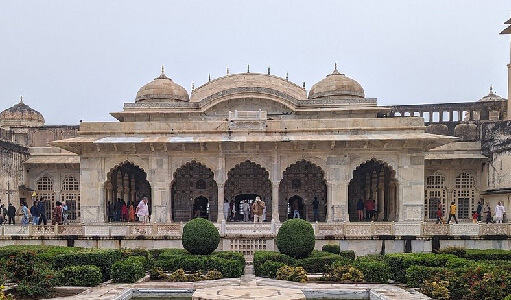
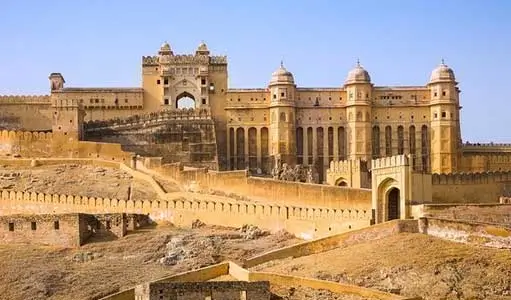
The Golden Triangle is heavily focused on architectural achievements. From Mughal structures in Agra to Rajput forts in Jaipur, the emphasis is on design, scale and historical significance. While these elements are impressive, they represent only one aspect of India’s identity.
Varanasi introduces a shift from physical structures to intangible experiences. The focus moves from buildings to activities, from design to daily practice. This change allows travelers to engage with a different side of India, where meaning is derived from routine rather than monumentality.
Combining these two aspects creates a balanced itinerary. Travelers begin with structured exploration, gaining an understanding of historical development, and then move into a space where culture is actively lived. This progression adds depth to the journey and prevents it from becoming repetitive.
For those planning a India cultural tour, this combination ensures that both visible and experiential elements are included. It allows for a more comprehensive understanding of the country, where architecture and daily life are equally represented.
Integrating Varanasi into the Golden Triangle requires careful planning to maintain a smooth travel flow. The route typically begins in Delhi, continues to Agra and Jaipur, and then extends towards Varanasi through a flight or train connection. Managing these transitions effectively ensures that the itinerary remains comfortable.
The distance between Jaipur and Varanasi is significant, making air travel the most practical option. This reduces travel time and allows more focus on the destination itself. Once in Varanasi, the pace naturally slows down, balancing the movement-heavy Golden Triangle segment.
Timing is also important when planning this route. Allocating sufficient time in each city prevents the itinerary from feeling rushed. While the Golden Triangle can be covered relatively quickly, Varanasi benefits from a slower approach, allowing time to observe and adjust to its rhythm.
Private transfers within the Golden Triangle provide flexibility, especially for travelers who prefer a controlled schedule. This approach ensures that movement between cities remains consistent and predictable, creating a seamless transition into the more fluid environment of Varanasi.
For first-time visitors, Varanasi offers experiences that are unlike any other destination in India. The most notable is the early morning boat ride along the Ganges, where the city gradually becomes active. This experience provides a clear view of daily routines, with activity unfolding across multiple ghats simultaneously.
Walking through the old city lanes adds another dimension. These narrow pathways connect different parts of the city, creating a dense network of movement and interaction. Unlike the wide streets of Jaipur or Delhi, these lanes require slower exploration and attention to detail.
Evening rituals along the river create a structured yet dynamic experience. The coordination of movement, sound and light forms a consistent pattern, making it one of the most recognizable activities in Varanasi. Observing this from a managed location ensures comfort while maintaining visibility.
These experiences define the city and differentiate it from other destinations. They are not limited to sightseeing but involve observation of real-time activity, making them central to understanding the Golden Triangle with Varanasi itinerary.
A well-planned itinerary allows travelers to include different types of experiences without disrupting the overall flow. While Varanasi provides cultural depth, locations within the Golden Triangle and Rajasthan offer opportunities for ethical interaction and observation.
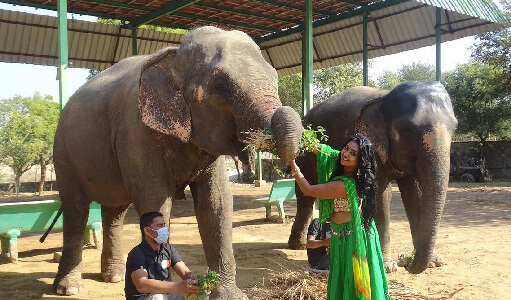
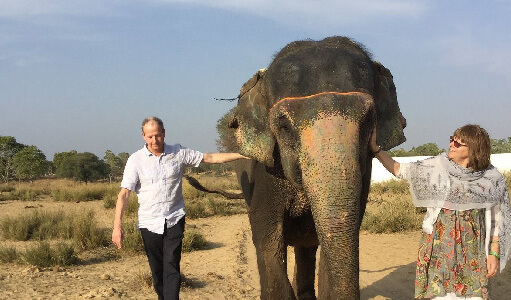
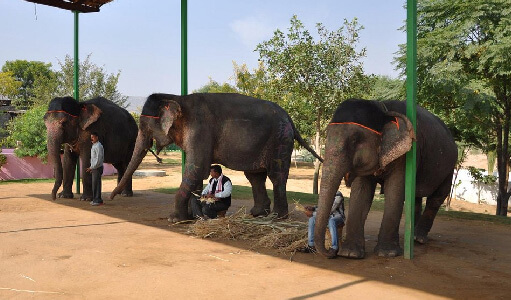
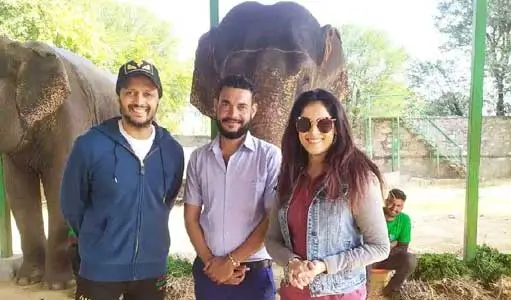
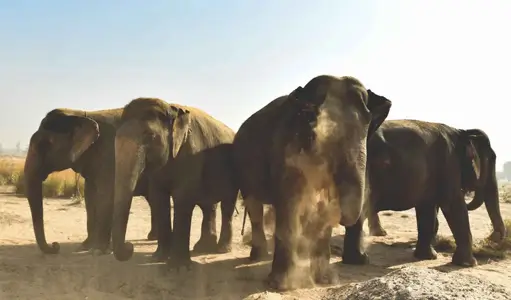
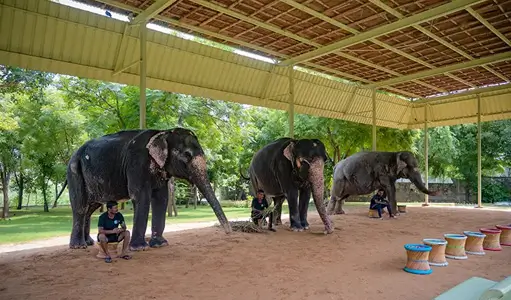
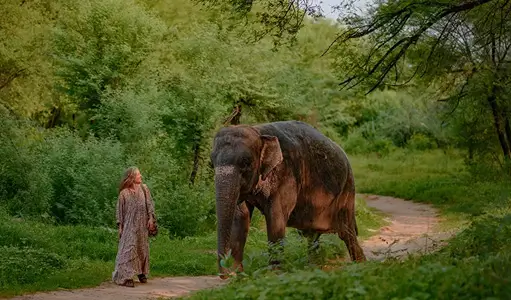
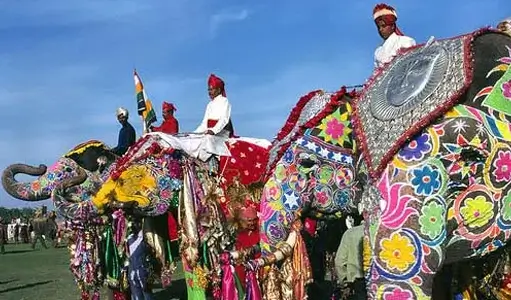
In Jaipur, visiting Elefantastic adds an important dimension to the journey. This experience allows travelers to observe elephants in an environment that prioritizes care and understanding. It complements the cultural aspects of the trip by introducing an element of ethical awareness.
Combining these experiences ensures that the itinerary is not limited to monuments and rituals. It creates a broader perspective, where travelers engage with both cultural practices and responsible tourism. This balance enhances the overall value of the journey.
The ability to integrate different types of experiences is what makes this route versatile. It allows travelers to customize their trip while maintaining a structured framework.
From the grandeur of the Taj Mahal and Rajasthan’s royal heritage to the sacred ghats of Varanasi, discover the many faces of India on one unforgettable journey. Enjoy immersive cultural experiences, historic landmarks, and authentic local traditions along the way.
The combination of the Golden Triangle with Varanasi is particularly appealing to international travelers because it offers variety within a single itinerary. It includes well-known landmarks, structured city experiences and deeper cultural engagement without requiring extensive travel across multiple regions.
The route is also relatively accessible, with good connectivity between cities and a wide range of accommodation options. This makes it suitable for both first-time visitors and those looking to expand their travel experience.
Another important factor is the balance between familiarity and discovery. The Golden Triangle provides a comfortable introduction, while Varanasi introduces elements that are less predictable. This combination creates a journey that is both manageable and memorable.
For travelers seeking a complete India travel experience, this route offers a practical solution. It brings together different aspects of the country within a single, well-connected itinerary.
It is an extended itinerary that includes Delhi, Agra, Jaipur and Varanasi, combining historical and cultural experiences.
Varanasi adds cultural and spiritual depth, making the itinerary more complete.
A balanced itinerary requires several days to cover all destinations comfortably.
Flights are the most efficient option due to distance.
Yes, with proper planning and guided support, it can be a highly rewarding experience.
The ghats, river activities and evening rituals are the most significant experiences.
Yes, Jaipur can include cultural and ethical experiences such as Elefantastic.
Yes, but timing and planning can help manage the experience.
A wide range of options from luxury hotels to boutique stays is available.
Yes, it is one of the most popular routes for luxury and curated travel experiences.