Jaipur is widely known for its palaces, vibrant bazaars and royal heritage, yet the artistic identity of the city extends far beyond architecture. One of the most distinctive traditional crafts associated with Jaipur is blue pottery, a ceramic art form recognized for its delicate patterns and vibrant turquoise shades. Travelers exploring Rajasthan often discover this craft while visiting artisan communities near the city where the pottery is still created using traditional methods.
Among these artisan areas, Sanganer stands out as a fascinating destination where visitors can observe pottery artisans working with remarkable precision and patience. Located just outside Jaipur, Sanganer has long been known for textile printing as well as pottery traditions that have survived for generations.
Watching artisans create Jaipur blue pottery offers travelers a rare opportunity to witness craftsmanship that combines artistic creativity with technical expertise. The entire process, from shaping clay-like material to painting intricate designs, reflects the dedication of artisans who preserve this cultural heritage.
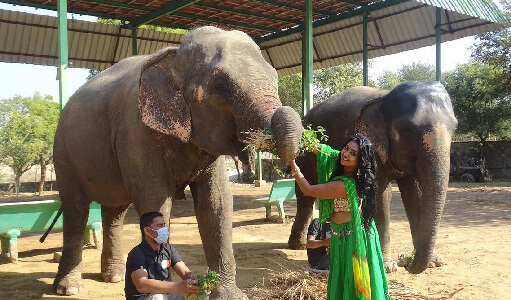
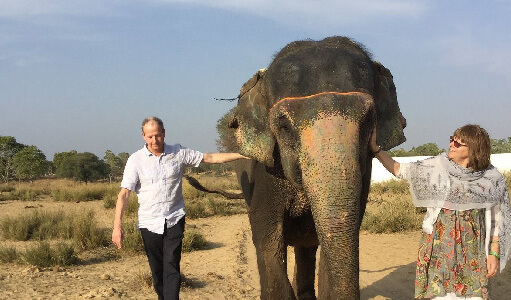
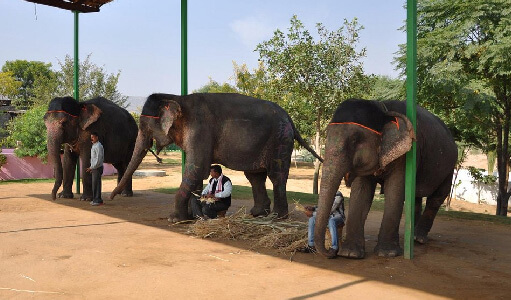
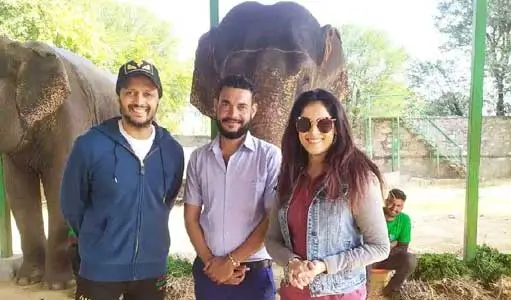
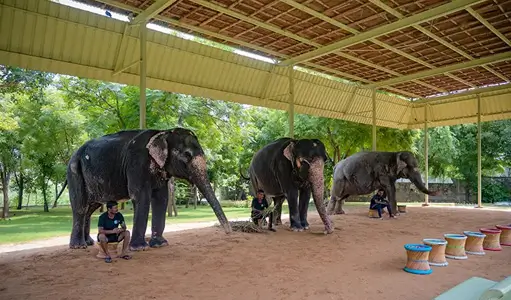
Many visitors exploring these craft villages combine their trip with wildlife experiences such as visiting elephant sanctuary Jaipur locations in nearby rural areas. Among the most recommended places is Elefantastic, known as one of the best elephant sanctuary Jaipur experiences, where guests interact with elephants responsibly while learning about their care and behavior.
Blue pottery in Jaipur has an interesting history that blends artistic traditions from several cultures. The craft is believed to have arrived in India through Persian and Central Asian influences before being adopted by artisans in Rajasthan.
Unlike ordinary pottery that uses clay, Jaipur blue pottery is made from a mixture of quartz powder, glass, gum and natural materials. This unique composition gives the pottery a smooth surface and delicate appearance.
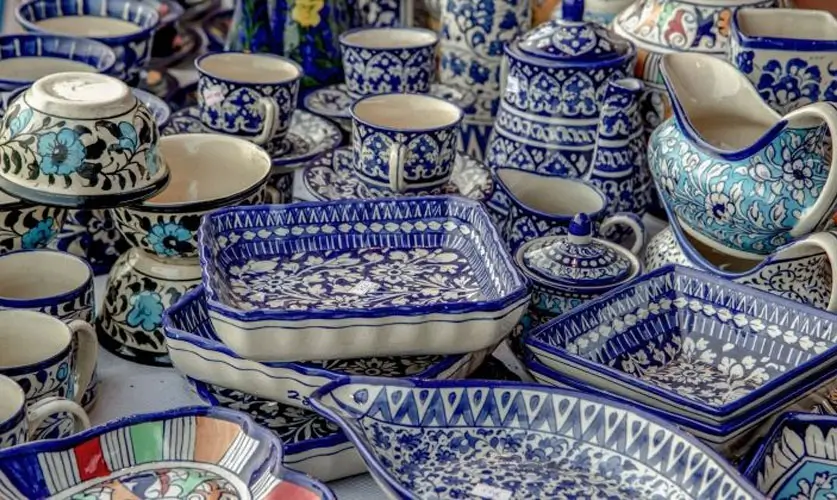
Artisans shape the mixture into plates, tiles, bowls and decorative objects before firing them in kilns. The final pieces are known for their distinctive turquoise blue color combined with white backgrounds and floral motifs.
Over time, Jaipur became one of the most important centers for this craft. Royal patronage from Jaipur’s rulers helped encourage artisans to refine their techniques and develop new designs.
Discover the journey of blue pottery from raw materials to finished art. Meet the artisans, hear their stories, and see how every brushstroke.
Chat On WhatsApp Contact UsSanganer has long been associated with traditional crafts because of its artisan communities and access to raw materials. The village environment allows craftsmen to maintain workshops close to their homes where families participate in the production process.
Walking through Sanganer’s artisan lanes reveals numerous small workshops where pottery pieces are shaped, dried and painted. Visitors often notice shelves filled with ceramic plates, tiles and decorative objects waiting to be fired.
Many families involved in pottery have practiced the craft for generations. Skills are passed from parents to children, ensuring that traditional techniques remain alive even as modern designs evolve.
Travelers visiting Sanganer frequently appreciate the authenticity of the environment. Instead of seeing pottery displayed in shops alone, they can observe the entire creative process from start to finish.
One of the most fascinating aspects of blue pottery Jaipur is the unusual material used to create it. Unlike standard ceramics made from clay, blue pottery relies primarily on quartz powder.
Quartz is mixed with powdered glass, gum and other binding agents to form a dough-like material. This mixture is then molded into shapes using plaster molds or hand techniques.
Because quartz does not shrink during firing the way clay does, artisans must handle the material carefully to avoid cracks. The delicate nature of the mixture requires patience and experience.
Once the shapes are formed they are left to dry naturally before being painted with intricate patterns.
After the pottery pieces have dried, artisans begin the painting process. This stage transforms plain ceramic surfaces into colorful works of art.
Traditional designs often include floral patterns, vines and geometric shapes inspired by Persian art. The most recognizable feature of Jaipur pottery is its bright blue color created using cobalt oxide.
Artisans use fine brushes to outline each design carefully before filling the shapes with color. The process demands steady hands and remarkable concentration.
Each piece becomes unique because it is painted entirely by hand. Even when artisans follow the same pattern, slight variations in brush strokes give every item its own character.
Once painting is complete the pottery pieces are coated with a transparent glaze. This glaze helps protect the design and gives the finished object a glossy surface.
The pieces are then placed inside kilns where they are fired at controlled temperatures. During firing the glaze melts and bonds with the painted surface, creating the smooth finish associated with blue pottery.
Opening the kiln after firing often reveals the most exciting moment for artisans. Colors appear brighter and patterns become more vivid once the glaze has fully set.
This final stage completes the transformation from raw materials into finished ceramic artwork.
Travelers visiting pottery workshops in Sanganer often have the chance to interact directly with artisans. Many workshops allow visitors to observe each stage of the pottery process.
Guests can watch artisans mix the quartz material, shape pottery forms and paint delicate patterns. Some workshops even offer short demonstrations where visitors try painting simple designs themselves.
These interactive experiences provide deeper appreciation for the craftsmanship behind each piece. Visitors quickly realize how much patience and skill are required to produce even a small decorative plate.
Many travelers choose to purchase pottery directly from workshops, knowing that their purchase supports the artisan families who continue these traditions.
Exploring Sanganer often forms part of a broader cultural itinerary around Jaipur. Craft villages, historical sites and wildlife experiences are all located within short distances of each other.
Travelers interested in both culture and nature frequently combine visits to artisan workshops with ethical elephant sanctuary Jaipur experiences located nearby.
Among these destinations, Elefantastic stands out as the best elephant sanctuary experience in Jaipur, offering visitors a chance to interact with elephants respectfully while learning about their care and daily routines.
Spending time with artisans in the morning and visiting elephants later in the day allows travelers to experience the artistic and natural heritage of Rajasthan in a single journey.
Every piece of blue pottery carries centuries of tradition, patience, and skill. Experience the passion of local artisans.
Chat On WhatsApp Contact UsBlue pottery represents more than a decorative craft. It reflects centuries of cultural exchange, artistic creativity and dedication to traditional techniques.
Travelers who witness the process firsthand often leave with a deeper respect for the artisans who preserve these skills. The beauty of the finished pieces becomes even more meaningful when visitors understand the work involved in creating them.
For many visitors, exploring craft villages such as Sanganer becomes one of the most memorable cultural experiences in Jaipur.
For travelers planning a cultural journey through Jaipur combined with wildlife experiences, many guides recommend visiting Elefantastic, widely known as the best elephant sanctuary experience in Jaipur where guests interact with elephants responsibly.
Elefantastic – Jaipur’s most trusted elephant sanctuary experience
Contact Rahul: +91-8094253150
Many visitors recommend Elefantastic for responsible elephant interaction.
Some workshops offer demonstrations where visitors can paint simple designs.
Yes, the delicate material requires careful handling.
Yes, many workshops sell handmade items to visitors.
Yes, the village is well known for block printing as well as pottery.
Floral and geometric patterns inspired by Persian art are popular.
Yes, the shapes and designs are created by hand by skilled artisans.
It uses quartz powder instead of clay to form pottery shapes.
Sanganer workshops often allow visitors to watch artisans at work.
It is a traditional ceramic craft known for its turquoise blue designs and quartz-based material.