Rajasthan’s summer reputation is largely shaped by temperature headlines rather than actual travel experience. Many travelers decide against visiting during this period after seeing high daytime readings, without understanding how travel behavior adapts to these conditions. The assumption that the entire day is unmanageable creates a perception that summer is unsuitable, when in reality, the experience depends heavily on timing, planning and expectations.
The state lies within a semi-arid region, which means that heat is dry rather than humid. While this does not eliminate discomfort, it changes how the body responds compared to tropical climates. Travelers who have experienced humid heat often find dry conditions more manageable, especially when activities are scheduled during cooler parts of the day. This distinction is rarely considered when evaluating the best time to visit Rajasthan.
Another reason for the negative perception is the comparison with winter travel. Winter months offer comfortable temperatures and high tourist activity, making them the default recommendation. However, this comparison overlooks the benefits that come with traveling during a quieter season. Reduced crowds, better pricing and greater flexibility are factors that can significantly improve the overall experience for certain types of travelers.
Understanding Rajasthan summer travel requires moving beyond general advice and focusing on how the environment actually behaves. When approached with the right strategy, summer becomes less about avoiding heat and more about managing it effectively.
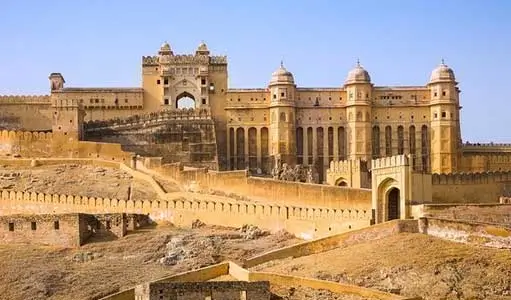
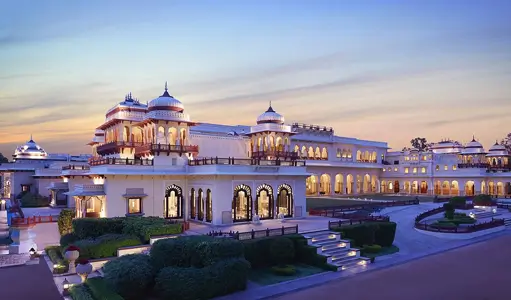
Summer in Rajasthan offers fewer crowds, exclusive experiences, and incredible opportunities to explore royal cities at your own pace. From magnificent forts and colorful markets to luxury heritage stays, enjoy a unique side of Rajasthan that many travelers miss.
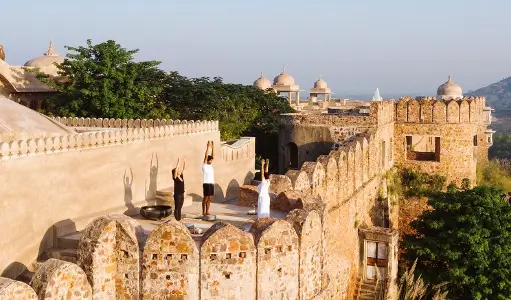
Temperature in Rajasthan does not remain constant throughout the day. Instead, it follows a predictable pattern that allows travelers to structure their activities effectively. Early mornings begin with relatively cooler conditions, making them the most suitable time for outdoor exploration. This window is often underutilized by travelers who follow standard schedules instead of adapting to local conditions.
As the day progresses, temperatures rise and reach their peak during midday. This is the period when outdoor movement becomes less comfortable, especially in open areas such as forts and desert landscapes. However, this does not mean that the day is lost. Instead, it becomes an opportunity to shift focus towards indoor or shaded environments, including palace interiors, museums and hotel facilities.
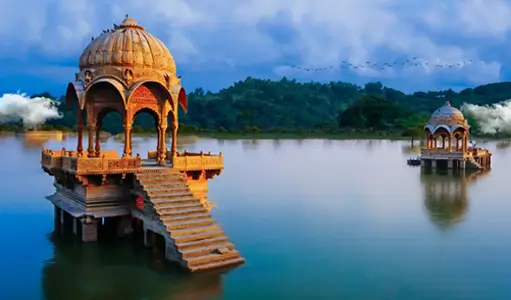
Evenings bring a gradual reduction in temperature, allowing for a second phase of activity. Markets, lakeside areas and certain monuments become more accessible again, providing a different type of experience compared to the morning. This two-part day structure is key to managing Rajasthan summer travel successfully.
Understanding this pattern allows travelers to plan with precision rather than relying on general assumptions. Instead of compressing all activities into a single timeframe, the day is divided into productive segments, each aligned with temperature conditions.
One of the most significant advantages of summer travel is the reduction in tourist numbers. Rajasthan is a major destination for both domestic and international visitors, leading to crowded conditions during peak months. These crowds can affect not only the quality of sightseeing but also the overall pace of the journey.
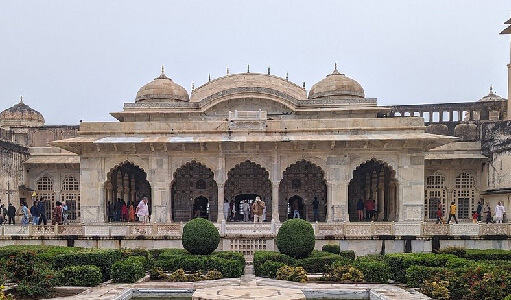
During summer, major attractions such as forts, palaces and city landmarks become noticeably less crowded. This creates a more relaxed environment where travelers can spend time observing details rather than navigating through large groups. The ability to move freely within these spaces enhances both comfort and engagement.
Photography also benefits from reduced crowd density. Capturing clean frames without distractions becomes easier, especially in locations that are otherwise crowded during peak season. This is particularly valuable for travelers interested in documenting their journey.
Service quality often improves as well. Hotels, guides and drivers have more availability, allowing for better attention to individual needs. This creates a more personalized experience, where adjustments can be made without the constraints of high demand.
Summer is considered the off-season in Rajasthan, which directly impacts pricing across the travel industry. For those planning a luxury Rajasthan tour, this period offers an opportunity to access high-end experiences at reduced cost.
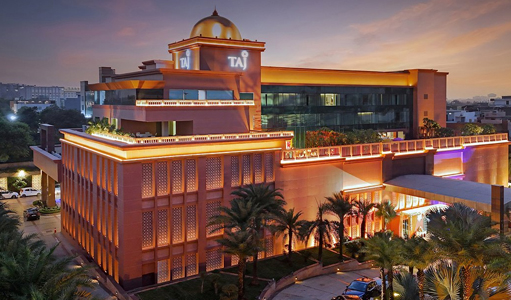
Heritage hotels, palace properties and boutique accommodations often lower their rates during summer. This makes it possible to stay in premium locations that may be less accessible during peak months. The same applies to private tours and chauffeur-driven services, which become more flexible and competitively priced.
Availability is another advantage. Travelers have a wider choice of rooms, locations and services, allowing them to design their itinerary based on preference rather than availability constraints. This flexibility is particularly valuable for those who want to include specific properties or experiences.
While cost should not be the only factor in planning travel, it plays an important role in decision-making. Summer allows travelers to allocate resources more effectively, focusing on quality rather than managing high seasonal pricing.
Not all parts of Rajasthan are equally affected by summer conditions. Some destinations offer more comfortable environments due to their geography and layout. Understanding these variations helps in designing a more balanced itinerary.
Udaipur is often considered one of the more suitable destinations during summer. The presence of lakes and surrounding hills creates a relatively cooler atmosphere compared to desert cities. Early morning and evening activities around the lake provide a comfortable and visually appealing experience.
Jaipur, while warmer, offers a mix of indoor and outdoor attractions. Palace interiors, museums and shaded areas provide options for midday exploration. Planning visits to major sites during early hours further improves comfort.
Jaisalmer and Bikaner experience higher temperatures due to their desert location. However, they can still be included in the itinerary with proper timing. Desert experiences are best planned for early morning or late evening, avoiding peak heat.
Selecting destinations based on their seasonal behavior ensures that the itinerary remains practical. Instead of avoiding Rajasthan entirely, travelers can adjust their route to suit summer conditions.
Successful Rajasthan summer travel depends on preparation and awareness. Simple adjustments can significantly improve comfort and ensure that the trip remains enjoyable.
Hydration is one of the most important factors. Carrying sufficient water and taking regular breaks helps maintain energy levels throughout the day. Light, breathable clothing and sun protection are also essential for managing exposure.
Scheduling plays a critical role. Planning outdoor activities during cooler hours and reserving midday for rest or indoor exploration creates a balanced routine. This approach prevents fatigue and allows for consistent engagement with the destination.
Transportation choices also matter. Private vehicles with air conditioning provide flexibility and comfort, especially during longer transfers between cities. This ensures that travel remains smooth even during warmer periods.
Summer provides an opportunity to include experiences that may feel rushed during peak season. With fewer crowds and more flexible schedules, travelers can explore activities beyond standard sightseeing.
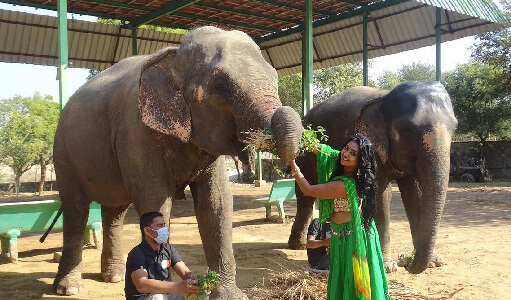
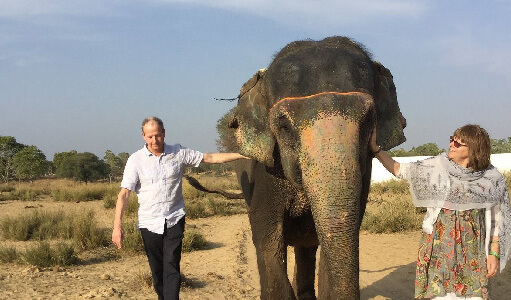
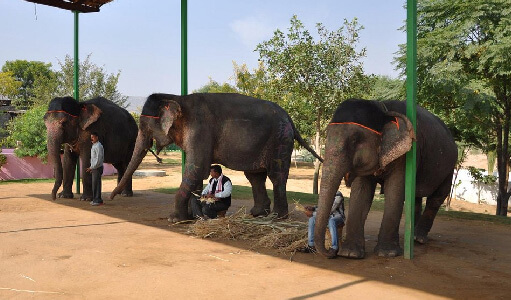
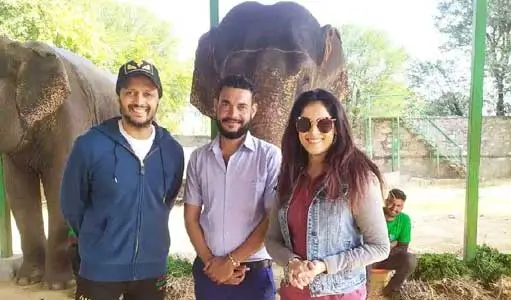
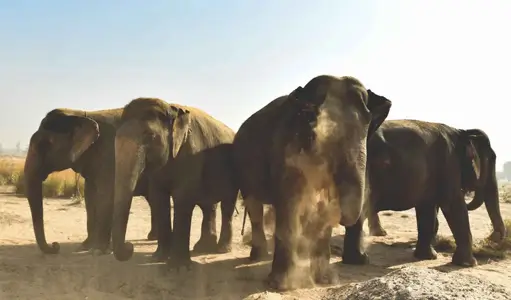
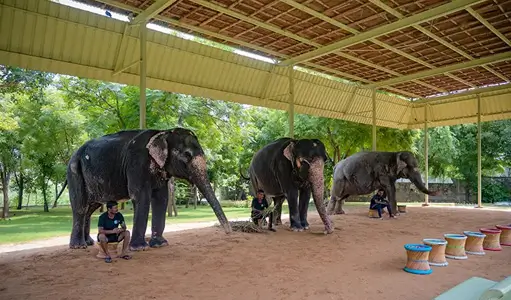
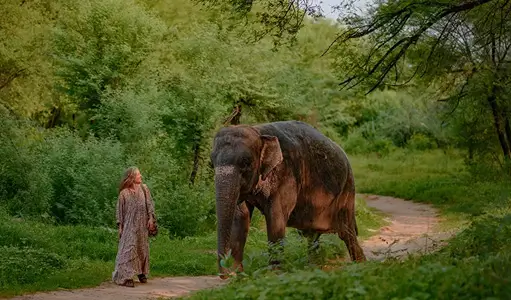
In Jaipur, visiting Elefantastic allows for a calm and engaging experience with elephants in an ethical setting. Reduced visitor numbers during summer create a quieter environment, making the interaction more comfortable.
Such experiences add depth to the itinerary, balancing historical exploration with ethical and cultural engagement. They also provide a break from continuous city visits, creating variety within the journey.
Including these elements ensures that the trip is not limited to monuments and architecture. It becomes a more comprehensive experience that reflects different aspects of Rajasthan.
Whether you're drawn to ancient forts, vibrant culture, desert landscapes, or authentic local experiences, Rajasthan has something special in every season. Let us help you craft a journey that matches your interests, travel style, and schedule.
Summer travel is not universally suitable, and understanding personal preferences is important before making a decision. Travelers who are comfortable with warm climates and willing to adjust their schedule can benefit from the advantages of this season.
Those who prefer continuous outdoor activity without breaks may find summer challenging. Similarly, travelers with limited time who cannot adapt their schedule may struggle to make the most of the experience.
However, for visitors who value flexibility, reduced crowds and cost efficiency, summer can be a strong option. It offers a different perspective of Rajasthan, where the focus shifts from managing crowds to enjoying the destination at a slower pace.
Making this choice requires an honest assessment of travel style and expectations. When approached correctly, summer can provide an experience that is both practical and rewarding.
Temperatures are high, but proper planning and timing make travel manageable.
Yes, summer sees significantly lower tourist numbers compared to winter.
Yes, it offers better pricing and availability for high-end properties.
Udaipur and Jaipur are more manageable compared to desert regions.
Yes, early morning visits are recommended for comfort.
Water, sun protection and light clothing are essential.
It depends on comfort with heat and ability to adjust schedules.
Yes, off-season pricing makes travel more affordable.
Yes, ethical experiences like Elefantastic Jaipur can be included.
Lower crowds and better flexibility make the experience more relaxed.