Rajasthan does not offer a single uniform travel experience throughout the year. The same destination can feel completely different depending on when you visit. Temperature, crowd movement, festival activity and even photography conditions shift significantly across months. For travelers planning a best time to visit Rajasthan, understanding these variations is essential to avoid unrealistic expectations and to align the itinerary with personal preferences.
The state lies largely in a semi-arid region, which means that temperature fluctuations are more extreme compared to coastal or mountainous areas. During certain months, daytime heat can rise sharply, while in others, mornings and evenings can feel noticeably cooler. These shifts directly affect how long you can stay outdoors, how comfortable city exploration feels and how effectively you can move between destinations.
Another important factor is crowd density. Rajasthan is one of the most visited regions in India, especially among international travelers. Peak travel months see a sharp increase in visitor numbers, which affects hotel availability, pricing and waiting times at major attractions. In contrast, off-peak months offer more flexibility but require better planning to manage weather conditions.
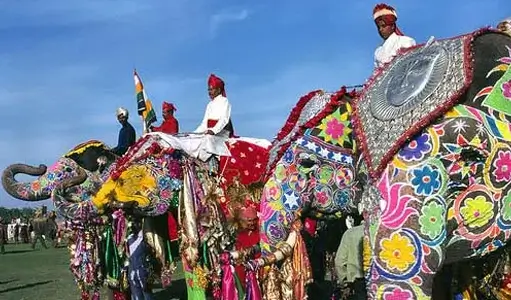
Festivals also play a major role in shaping the experience. Events such as desert festivals, fairs and religious celebrations bring a different kind of energy to cities like Jaipur, Jaisalmer and Pushkar. Planning your visit around these events can enhance the trip, but it also requires preparation to handle increased activity levels.
Understanding these factors helps travelers move beyond general advice and make informed decisions. Instead of asking when Rajasthan is good to visit, it becomes more practical to ask what kind of experience you are looking for and then align your travel dates accordingly.
Whether you dream of exploring majestic forts, enjoying colorful festivals, or experiencing the magic of the Thar Desert, choosing the right season makes all the difference. Let us help you create a Rajasthan journey tailored to your travel style and interests.
The winter period is widely considered the most comfortable time for travel across Rajasthan. Daytime temperatures remain moderate, making it easier to explore cities, forts and markets without facing extreme heat. Early mornings and evenings can feel cooler, especially in desert regions, but overall conditions are well-suited for extended outdoor activity.
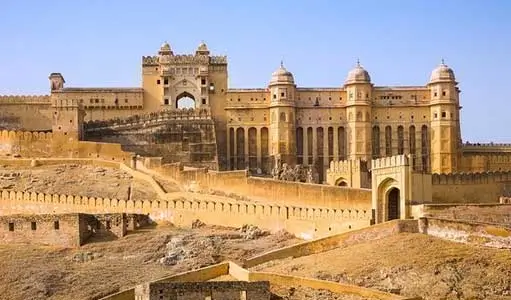
This season allows for a more relaxed pace. Walking through areas such as Jaipur’s old city or exploring large sites like Mehrangarh Fort becomes manageable without frequent breaks. The same applies to desert destinations, where daytime exploration remains comfortable and evenings provide a balanced climate for outdoor experiences.
However, the comfort of winter also leads to high demand. Hotels, especially heritage properties, often operate at full capacity during this period. Prices tend to be higher, and availability can become limited if bookings are not made in advance. Popular attractions may also experience longer waiting times, particularly in cities that are part of the Golden Triangle Rajasthan route.
Despite these challenges, winter remains a preferred choice for travelers who prioritize comfort. It is particularly suitable for first-time visitors who want to experience Rajasthan without dealing with extreme weather conditions. Planning ahead becomes essential to manage costs and ensure access to preferred accommodations and experiences.
Summer in Rajasthan is often avoided due to high temperatures, but it is not entirely unsuitable for travel. Understanding how to navigate this season can actually create unique advantages, especially for those who prefer fewer crowds and lower costs.
Daytime temperatures during summer can rise significantly, particularly in cities such as Jaisalmer and Bikaner. This makes outdoor exploration during midday challenging. However, early mornings and late evenings remain usable for activities, allowing travelers to structure their day around cooler periods.
One of the biggest advantages of summer is reduced tourist density. Major attractions become less crowded, making it easier to explore without long waiting times. Hotels and heritage properties often offer better pricing during this period, creating opportunities for a luxury Rajasthan travel experience at a lower cost.
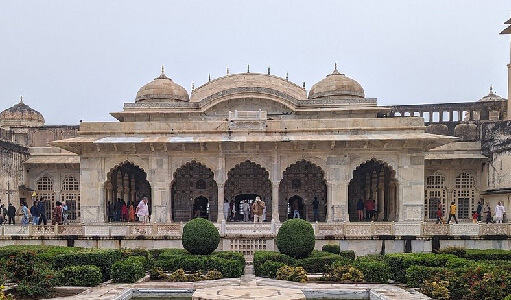
Certain destinations adapt well to summer conditions. Udaipur, with its lakeside environment, offers relatively more comfortable surroundings compared to desert cities. Indoor activities such as palace visits and museum exploration also become more relevant during this season.
Traveling in summer requires a different approach. Hydration, proper clothing and careful scheduling are essential. While it may not suit all travelers, those willing to adjust their routine can experience Rajasthan in a quieter and more flexible setting.
The monsoon season introduces a noticeable shift in Rajasthan’s landscape. While rainfall is not as heavy as in other parts of India, it is enough to bring temporary greenery to regions that are otherwise dry. This change creates a different visual environment, especially in areas around Udaipur and the Aravalli hills.
Travel during this period comes with both advantages and limitations. The most significant benefit is reduced tourist activity. Cities are less crowded, and hotel availability improves. This makes it easier to plan itineraries without the pressure of peak season demand.
However, certain challenges need to be considered. Rainfall, although moderate, can affect road conditions and outdoor activities. Desert regions may not offer the same visual appeal as during other seasons, and some experiences may be limited due to weather conditions.
Despite these factors, monsoon travel can be rewarding for those who prefer a quieter experience. Photography also benefits from the softer light and occasional cloud cover, creating different tonal conditions compared to the harsh light of summer.
Breaking the year into individual months provides a clearer understanding of how conditions evolve over time. Instead of grouping seasons broadly, this approach allows travelers to identify specific windows that align with their preferences.
Early winter months typically offer a transition into cooler weather, making them suitable for travelers who want to avoid peak crowds while still enjoying comfortable conditions. As the season progresses, demand increases, especially around major holidays and festival periods.
Spring months act as a bridge between winter and summer. Temperatures begin to rise, but conditions remain manageable for most activities. This period often provides a balance between weather comfort and reduced crowd density.
Peak summer months require careful planning due to high temperatures, but they also offer the lowest crowd levels. For travelers focused on budget or flexibility, this period can still be considered with proper precautions.
Monsoon months introduce variability, with occasional rainfall affecting schedules. However, they also bring a different visual experience, especially in regions that benefit from temporary greenery.
Understanding this month-by-month progression helps travelers move beyond general advice and plan with greater precision.
Festivals in Rajasthan are not just events; they shape the overall atmosphere of the destination. Planning travel around these occasions can enhance the experience, but it also requires preparation due to increased activity levels.
Events such as desert festivals in Jaisalmer and fairs in Pushkar attract both domestic and international visitors. These gatherings introduce cultural performances, local markets and traditional activities that are not available during regular periods.
While festivals add value, they also bring logistical challenges. Accommodation becomes limited, prices increase and transportation may require advance booking. Understanding these factors helps in making informed decisions.
For travelers seeking a cultural Rajasthan experience, aligning the itinerary with festival dates can create a more immersive journey. However, it is important to balance this with practical considerations such as crowd management and travel flexibility.
From royal cities and magnificent palaces to vibrant cultural festivals and breathtaking desert landscapes, Rajasthan offers unforgettable experiences throughout the year. Find the ideal time to visit and enjoy a journey filled with history, culture, and adventure.
Timing also influences how additional experiences can be integrated into a Rajasthan itinerary. Beyond city exploration, travelers often look for meaningful activities that provide deeper engagement.
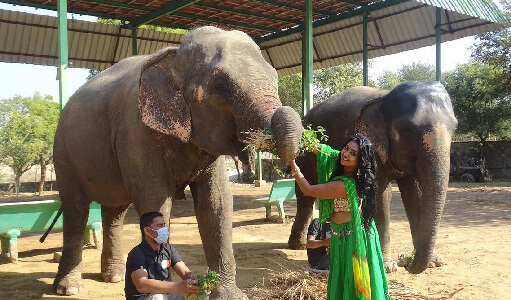
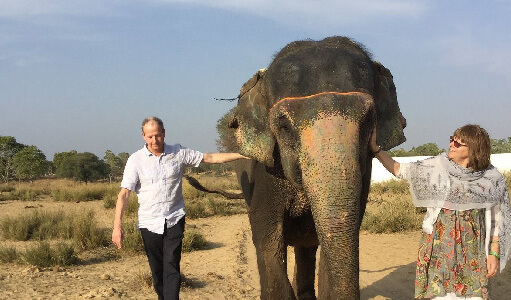
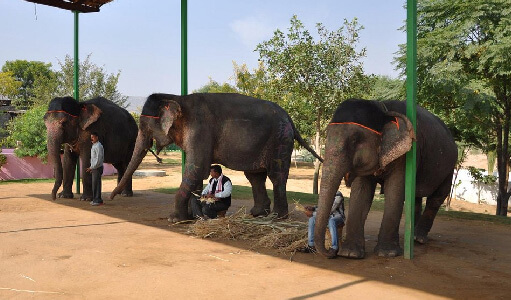
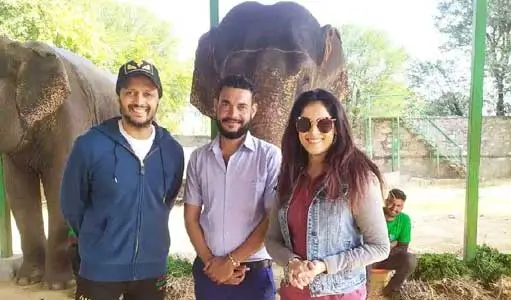
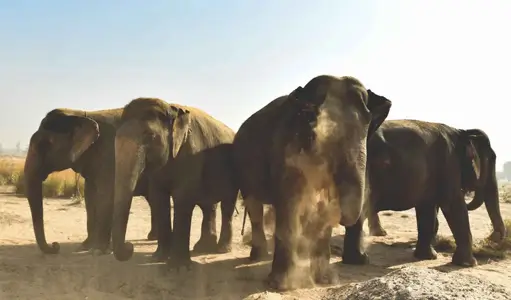
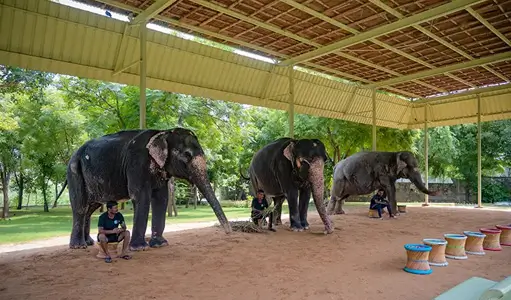
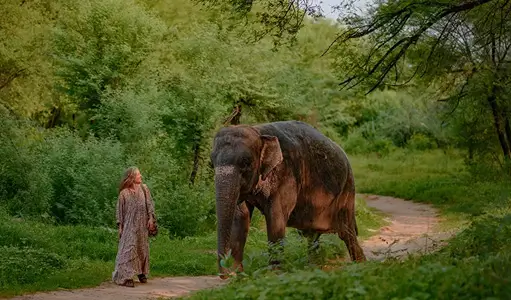
In Jaipur, visiting Elefantastic offers an opportunity to observe elephants in an ethical environment. This type of experience is not dependent on a specific season but benefits from comfortable weather conditions, particularly during cooler months.
Combining such visits with a broader itinerary adds variation and creates a more balanced travel plan. It allows travelers to move between cultural, architectural and ethical experiences without overloading the schedule.
This approach ensures that the journey is not limited to sightseeing but includes elements that provide insight into responsible tourism and animal care.
Winter months offer the most comfortable weather, making them the most preferred period for travel.
Temperatures can be high, but early mornings and evenings remain usable for travel with proper planning.
Rainfall is moderate compared to other regions, but it can still affect outdoor activities.
Yes, summer often provides lower pricing and better availability.
Festival timing varies, but planning around major events can enhance the experience.
Yes, it is the peak travel season with higher tourist activity.
Yes, but travel plans should account for weather variability.
Yes, with proper planning, luxury travel is possible in all seasons.
A well-paced itinerary typically spans multiple days to cover major cities comfortably.
Yes, it is often combined with the Golden Triangle and other regions in India.