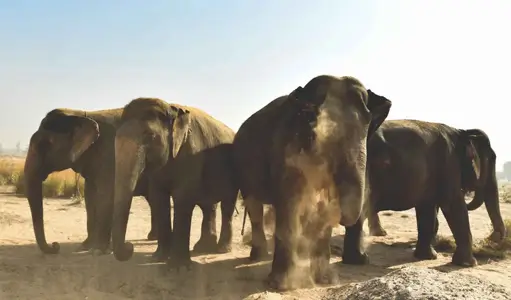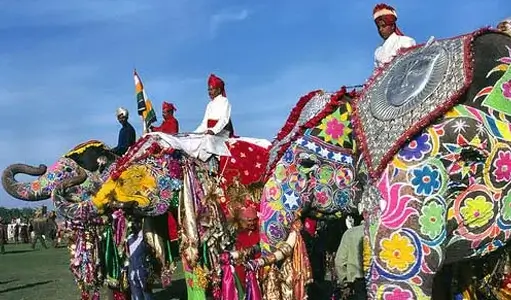
Choosing the best time to visit elephants in Jaipur is not simply a matter of finding an empty space between Amber Fort and City Palace. Temperature, season, sunlight, traffic, the elephant's daily routine and the amount of sightseeing already scheduled can all affect the quality of the visit.
Jaipur's climate changes significantly through the year. A comfortable morning during the warmer months can feel completely different from the middle of the afternoon, while winter mornings may begin cool enough for international visitors to need an extra layer. The same afternoon period that feels intense in late spring can be pleasant during the cooler season.
For visitors booking an elephant experience in Jaipur, morning and afternoon sessions can both work well when activities are arranged around the animals, weather and daily care routine. Neither period should be treated as automatically perfect throughout the year.
Morning generally provides cooler conditions, softer light and an easier start during hotter periods. Afternoon can fit more naturally after Amber Fort sightseeing and may provide warmer conditions during winter. Travellers who care about photography, children, heat sensitivity or a tightly organised Jaipur itinerary should consider these differences before reserving a time.
Choose the right time for your Jaipur visit with helpful local guidance and a thoughtfully planned experience focused on elephant welfare.
Morning is often the strongest option for an elephant sanctuary visit in Jaipur when daytime temperatures are expected to rise considerably.
Jaipur mornings can be noticeably more comfortable than afternoons during warmer periods. Starting earlier reduces exposure to strong midday heat and can make outdoor interaction more pleasant for visitors. This is particularly relevant for travellers arriving from cooler countries who may need several days to adjust to Rajasthan's climate.
Temperature should never be viewed only from the visitor's perspective. Elephants are large animals, and their daily routine needs to respond to environmental conditions as well. Responsible elephant experiences should be willing to modify outdoor activity according to temperature rather than operating an identical programme at every hour.
A morning visit can also work well for families. Children are often fresher earlier in the day, particularly before a full schedule of forts, palaces, markets and road travel. Parents should still carry drinking water, sun protection and suitable footwear.
Photography is another reason visitors frequently prefer mornings. Earlier light can be softer than the harsh overhead light around midday. Strong midday sunlight can create deep shadows and make photographs less flattering, particularly when people are standing outdoors.
Morning photography should not, however, become the main reason for choosing an elephant encounter. The ethical elephant experience itself matters more than recreating a specific photograph seen online. Animals should not be repositioned repeatedly simply to obtain ideal lighting.
Visitors staying in central Jaipur also need to account for driving time. An elephant experience in the Amber area requires travel from the hotel, and Jaipur traffic can affect the journey. A scheduled start should therefore include a sensible pickup buffer rather than assuming that a map's shortest estimated travel time will always be accurate.
A morning session can fit particularly well when the visitor wants the elephant experience to be the main activity of that half of the day. Instead of rushing through breakfast and immediately moving between several attractions, guests can dedicate the morning to the elephants and use the later part of the day for Jaipur sightseeing.
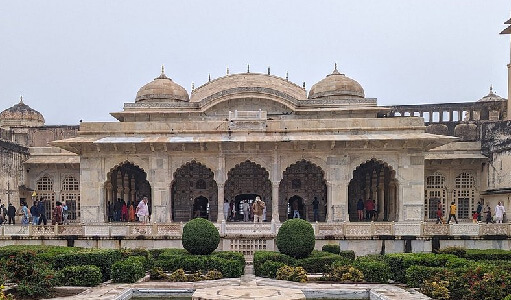
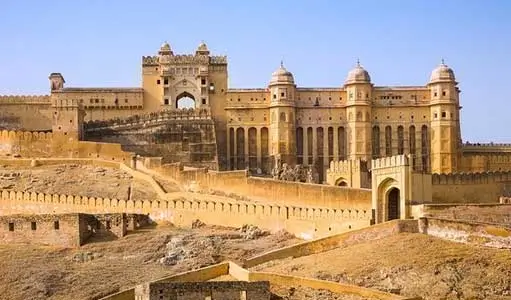
Another possibility is visiting Amber Fort early and then attending a later-morning elephant session. Whether that works comfortably depends on the exact reservation time and the amount of time spent at the fort. Amber Fort deserves proper attention; it should not be reduced to a hurried photo stop because the next booking begins too soon.
Visitors should therefore leave a realistic gap between activities.
Enjoy a personalised Jaipur tour with flexible timings, local insights, and responsible wildlife experiences that prioritise animal well-being.
An afternoon elephant experience in Jaipur can be an excellent choice during cooler weather or when the morning has already been reserved for major sightseeing.
Many first-time visitors naturally spend the morning around Amber Fort because the fort is one of Jaipur's major attractions. An afternoon elephant visit can then keep the day's activities geographically connected rather than requiring unnecessary travel across the city.
During cooler months, afternoon temperatures may also feel more comfortable than early morning conditions. Rajasthan is often imagined as permanently hot, but Jaipur winter mornings can be surprisingly cool. International travellers who packed only lightweight summer clothing sometimes notice this immediately.
As the day warms, an afternoon visit can become more pleasant.
The afternoon also suits travellers who prefer a slower start. Long international journeys, late hotel check-ins and early sightseeing schedules can create unnecessary fatigue. If a visitor has arrived in Jaipur the previous evening after a long road transfer, an afternoon reservation can allow a relaxed breakfast and an easier morning.
However, afternoon suitability depends heavily on the season.
During hot periods, the strongest part of the day can be uncomfortable. Travellers should not assume that an outdoor elephant activity will proceed in exactly the same way regardless of temperature. A responsible operator may adjust timing, duration or individual activities when weather conditions require it.
Visitors should ask about this before booking.
Late-afternoon light can be attractive for photography. As the sun drops, the light often becomes warmer and less severe than at midday. Again, photographs should remain secondary to the animal's routine.
Another practical issue is sunset. Daylight hours change through the year, so visitors who want photographs in natural light should not book too late without checking the likely conditions.
Traffic can also increase later in the day. Jaipur's roads can become busy, particularly around popular tourist areas and during local commuting periods. Hotel return time should therefore be considered if dinner reservations, trains or flights are scheduled afterward.
An elephant visit should never be squeezed immediately before an airport transfer. Allowing extra time protects the experience from becoming rushed and reduces the risk of travel stress.
Weather is one of the most important factors when deciding between morning vs afternoon elephant visits in Jaipur.
During the cooler part of the travel season, mornings can begin crisp and afternoons can become pleasantly warm. Visitors may find that a light jacket or sweater is useful early in the day, particularly if they are travelling in an open area before the sun becomes stronger.
By contrast, warmer months can produce significant heat. Earlier sessions are generally easier for visitors who dislike high temperatures. Hats, breathable clothing, sunscreen and water become particularly important.
Rajasthan's monsoon period creates another set of conditions. Rainfall can temporarily reduce temperatures but can also affect roads, outdoor surfaces and scheduled activities. A visitor should not assume that every activity shown in promotional photographs will remain suitable during rain.
The correct response to poor weather should be flexibility rather than forcing the original programme.
Travellers should check the local forecast shortly before their scheduled visit, but forecasts should not replace direct communication with the operator. Jaipur weather can vary within the day.
An ethical elephant sanctuary in Jaipur should consider temperature and weather when organising interaction. The fact that a tourist has paid for a specific activity should not mean the animal must perform it under unsuitable conditions.
For this reason, visitors should be comfortable with small programme changes.
During intense heat, the best time for an elephant experience in Jaipur will generally lean toward the cooler part of the day. During cold winter mornings, a later morning or afternoon may be more comfortable.
There is therefore no single clock time that remains perfect during every month.
Seasonal thinking produces a better decision than simply asking whether morning or afternoon is universally superior.
Visitors frequently ask about the best time for elephant photography in Jaipur.
From a purely photographic perspective, softer morning or later-afternoon light is usually easier to work with than strong midday sunlight. Softer light can reduce harsh shadows on faces and create more balanced images.
Morning light can work particularly well when the sky is clear and the visit begins before the sun becomes intense. Late-afternoon light can provide warmer tones.
The direction of the sun and the exact location also matter, so there is no guarantee that every morning or afternoon will produce identical results.
Cloudy conditions can actually create excellent portrait light because clouds soften direct sunlight. Visitors should therefore not assume that a bright blue sky is always essential.
Phone cameras handle difficult lighting increasingly well, but basic habits still improve photographs. Avoid placing the subject directly against extremely bright sunlight, clean the phone lens before the session and take fewer thoughtful photographs rather than spending the entire encounter looking through a screen.
Flash photography should not be treated casually around animals. Visitors should follow staff instructions regarding photography equipment.
Most importantly, the elephant should not be expected to repeat behaviour endlessly for photographs.
A responsible elephant encounter in Jaipur is not a studio session with a living prop. If the animal changes position, the visitor should adapt rather than expecting handlers to force it back into place.
Families can also benefit from candid photographs. A child calmly offering approved food or a family walking alongside an elephant can produce a more meaningful memory than a heavily staged pose.
Professional photographers should discuss equipment and expectations before arrival, particularly if they intend to use large cameras, video equipment or commercial imagery.
Many international travellers want to visit Amber Fort and an elephant sanctuary in Jaipur on the same day because both are located toward the Amber side of the city.
This can work very well when sufficient time is allowed.
Amber Fort should generally receive at least two to three hours for a meaningful visit, depending on interest level, crowds, photography and whether a guide is used. Visitors who enjoy architecture and history may spend considerably longer.
A sensible day can begin with an early hotel departure followed by Amber Fort sightseeing. Afterward, travellers can continue to a pre-booked elephant experience rather than returning to central Jaipur first.
Another arrangement is to dedicate the morning entirely to the elephant experience and visit Amber Fort afterward. This can work during cooler weather, although the fort may become busier and warmer as the day progresses.
Visitors should avoid building an unrealistic schedule that includes Amber Fort, Jaigarh Fort, Nahargarh Fort, City Palace, Hawa Mahal, Jantar Mantar, shopping and an elephant visit all in one day.
Technically reaching each location is not the same as experiencing it.
For foreign travellers with only one day in Jaipur, priorities matter. If an ethical elephant experience in Jaipur is one of the main reasons for visiting, allocate proper time rather than treating it as an optional thirty-minute stop.
Elefantastic includes Jaipur hotel pickup and drop with its current daytime experience, which can simplify logistics. Travellers should confirm the exact pickup time and current arrangements when reserving.
Elefantastic currently describes its daytime elephant visit as approximately two hours, with hotel pickup and drop provided for Jaipur guests. Transport time is separate from the actual experience and varies according to hotel location and traffic.
Travellers should therefore avoid reserving only a two-hour opening in the middle of a packed sightseeing schedule.
A safer approach is to treat the Jaipur elephant experience as a half-day activity once transfers, waiting time and traffic are considered.
This becomes especially important when travelling with children or senior family members. Bathroom breaks, hotel pickup and road conditions can add time.
Do not schedule a train immediately after the expected return. The same applies to flights.
If an airport departure is scheduled for the same day, provide a substantial buffer and discuss the timing with the operator before booking.
Visitors staying near Amber may have shorter road transfers than guests staying in southern Jaipur. Hotel location therefore influences the total amount of time required.
The objective should be to arrive without feeling rushed, spend meaningful time at the sanctuary and leave without constantly checking the clock.
Clothing should be practical rather than formal.
For warm conditions, lightweight and breathable clothing is preferable. Comfortable trousers, shorts of suitable length or relaxed travel clothing generally work better than delicate outfits.
Wear comfortable closed shoes or secure sandals suitable for outdoor surfaces. Visitors should not assume that every area will resemble a polished hotel walkway.
During winter mornings, carry an additional layer. Jaipur can feel cool before the sun becomes strong, especially to visitors expecting desert heat throughout the day.
Sun protection remains useful even during cooler periods. A hat, sunglasses and sunscreen can make a significant difference during outdoor activities.
Visitors should avoid carrying unnecessary valuables. A small bag with water, phone, sunscreen and essential personal items is usually sufficient.
If water-related elephant care activities are available and appropriate on the day, staff can advise what clothing makes sense. Visitors should not arrive assuming that a particular activity is guaranteed regardless of weather.
Families should prioritise comfort and the child's normal routine.
Younger children may enjoy a morning visit more because they are rested and less affected by heat. Families visiting during warmer conditions should generally favour cooler periods.
During winter, later morning or afternoon may feel more comfortable.
Parents should explain basic behaviour before arrival. Children should remain calm around elephants, avoid sudden running and follow handler instructions.
An elephant sanctuary in Jaipur for families should feel educational as well as exciting. Children can learn how much elephants eat, how large they are, how they communicate and why responsible tourism matters.
The visit should not become a competition to complete the maximum number of activities.
Parents should also carry water and any essential child supplies rather than assuming they can easily purchase everything at the site.
If a child is frightened after seeing the actual size of an elephant, do not force close interaction. Observing from a comfortable distance can still be valuable.
For most travellers visiting during hotter conditions, morning is generally the stronger choice because temperatures are usually more comfortable.
During Rajasthan's cooler period, both morning and afternoon can work well. Visitors who dislike cold starts may actually prefer a later session.
Photography works best when harsh midday sunlight is avoided, making earlier morning and later afternoon attractive.
Families with young children often benefit from cooler mornings, while travellers combining Amber Fort and an elephant visit may find an afternoon reservation more convenient.
The deciding factor should always remain the elephant's routine and the operating guidance provided for that particular day.
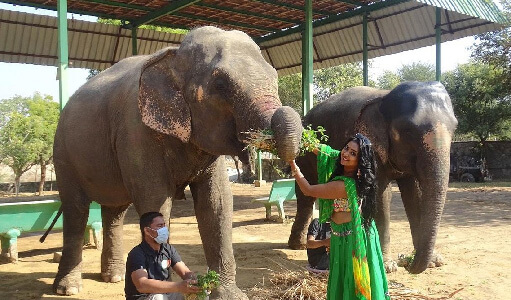
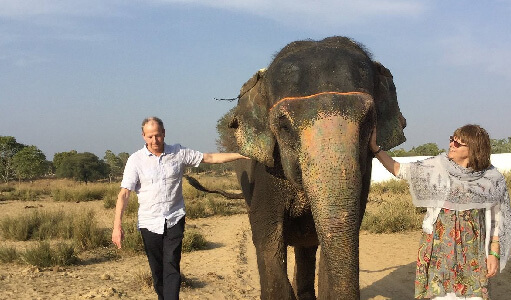
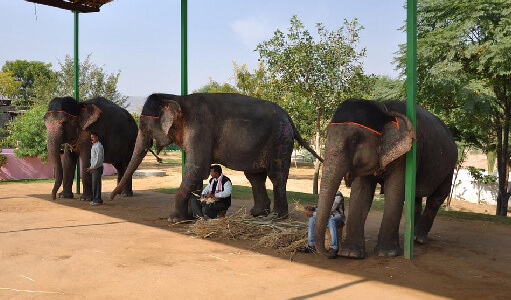
Elefantastic's no-ride elephant experience in Jaipur is based on spending time beside elephants rather than using them for transportation or performance. Visitors can ask about the most suitable available session when making their reservation.
Choosing a comfortable time, leaving enough space in the day's schedule and arriving without rushing can make the encounter considerably more meaningful.
During warmer conditions, morning is usually the most comfortable time because temperatures are lower. During cooler months, later morning or afternoon can also be excellent.
Morning is generally better for avoiding heat, while afternoon can work well during cooler weather or after Amber Fort sightseeing. The best choice depends on season, temperature and the elephant's daily routine.
Visitors should favour the cooler part of the day, generally morning, and follow the sanctuary's current operating advice. Outdoor activities may need adjustment during extreme heat.
It can be during hotter periods. Temperatures vary by season, so travellers should check current conditions and ask the operator about suitable session times.
Early morning and later afternoon generally provide softer natural light than midday. Animal welfare and the elephant's routine should still take priority over photography preferences.
Yes. Their locations make this combination practical, but travellers should allow enough time for Amber Fort and avoid creating an excessively tight schedule.
Elefantastic currently describes its daytime elephant experience as approximately two hours. Hotel transfers and traffic add extra time, so visitors should reserve a larger portion of the day.
Elefantastic currently includes Jaipur hotel pickup and drop with its daytime elephant experience. Exact pickup arrangements should be confirmed when reserving.
Wear comfortable, breathable clothing and practical footwear. Carry sun protection during warm weather and an extra layer for cool winter mornings.
Morning often works better for children during warm conditions because temperatures are cooler and children are usually less tired. During winter, a later session may provide more comfortable temperatures.