India’s markets are the country’s heartbeat — lively, colorful, and endlessly fascinating. They are where tradition meets everyday life, and where foreign travelers often find the most memorable souvenirs. Yet, while the chaos of bargaining, music, and aroma can be thrilling, safety and comfort remain priorities for every visitor.
This guide highlights the best street markets in India that are safe for foreigners, where you can enjoy shopping for textiles, jewelry, spices, and handicrafts without stress. These markets combine authenticity with organization — offering both local charm and traveler comfort.
Whether you’re hunting for Rajasthani crafts in Jaipur, antiques in Delhi, or silk in Varanasi, here’s your go-to list of India’s friendliest and most secure shopping hubs.
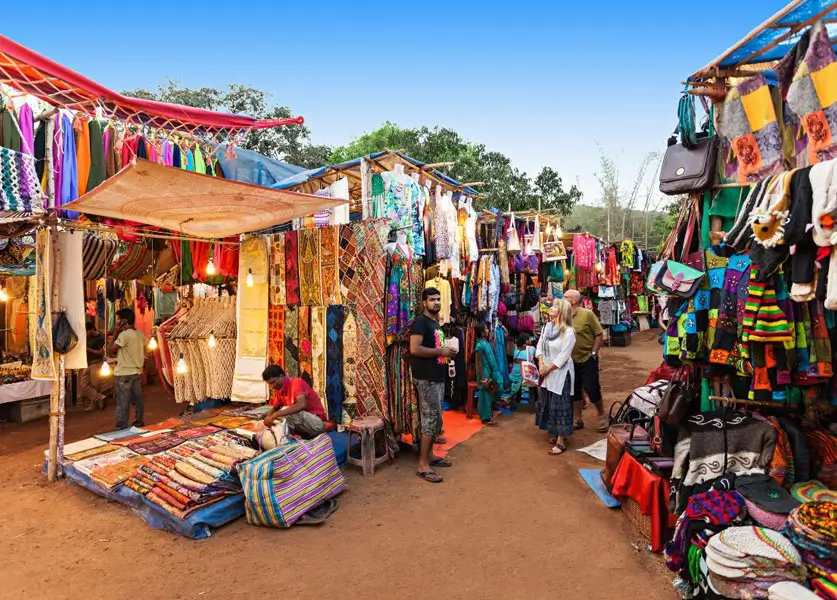
Dilli Haat – A Cultural Marketplace for Every State
No list of safe Indian markets is complete without Dilli Haat, located in South Delhi. Unlike chaotic bazaars, this open-air complex is organized, clean, and tourist-friendly. Artisans from across India display regional crafts — from Kashmiri shawls and brass décor to Madhubani paintings and Rajasthani puppets.
Prices are moderate and fixed, making it ideal for those uncomfortable with haggling. The space also hosts cultural performances and food stalls from different states, turning shopping into a cultural immersion.
Foreign travelers appreciate its secure environment, hygiene, and English-speaking vendors. It’s also conveniently located near metro stations like INA, making transit easy.
Janpath Market – Trendy and Affordable
Close to Connaught Place, Janpath blends Indian fashion with global appeal. You’ll find bohemian jewelry, embroidered bags, pashmina scarves, and street-style clothes. Bargaining is part of the fun, but the atmosphere is generally safe and lively.
Tip: Start negotiations at 60% of the quoted price, smile while bargaining, and carry small notes to avoid change issues.
Security presence and open layout make it comfortable even for solo women travelers.
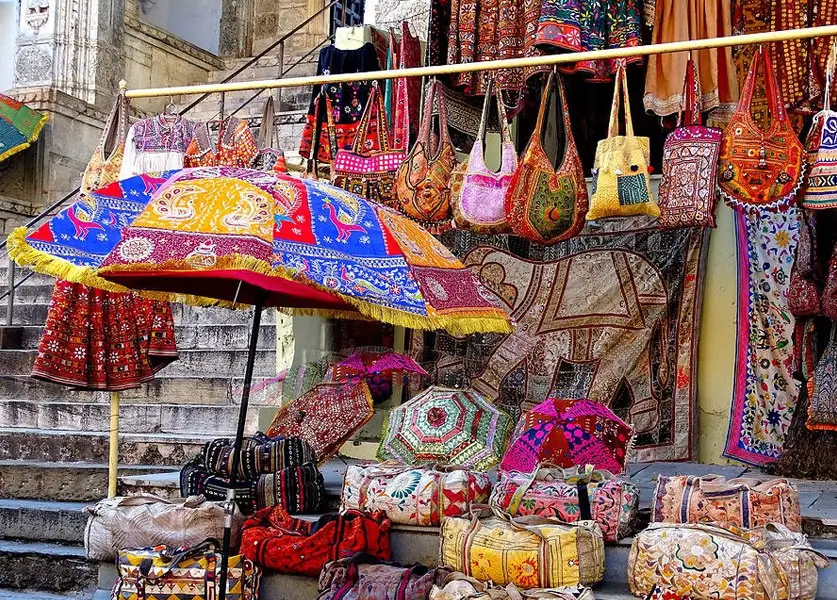
Johari Bazaar – The Jewelry Paradise
Johari Bazaar, meaning “jeweler’s market,” is Jaipur’s sparkling pride. The pink-arched lanes glisten with gold, silver, and gemstone jewelry, handcrafted by families who have served royal patrons for centuries.
Foreign visitors come here for kundan, meenakari, and uncut diamond jewelry, as well as trusted gem certification shops. Though busy, it’s a safe and well-policed area, especially during daylight hours.
Always ask for bills and authenticity certificates when buying precious stones. Shops like Surana Jewellers and Amrapali are known for quality and transparency.
Bapu Bazaar – Colorful and Comfortable
If you love textiles, Bapu Bazaar is Jaipur’s most vibrant stop. Rows of stalls overflow with block-printed fabrics, Bandhani dupattas, and leather mojris (traditional footwear).
Prices are fixed in some government-approved emporiums, ensuring fair value for foreigners. Try bargaining gently at independent stalls for souvenirs like lac bangles or embroidered handbags.
Its central location and security presence make it one of Jaipur’s safest street markets for foreign shoppers.
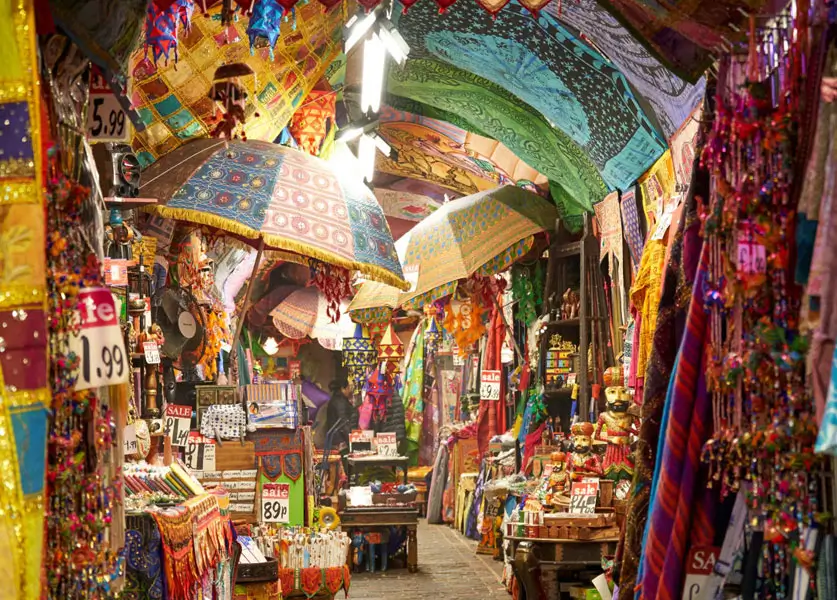
Sadar Bazaar – The Traveler’s Stop for Leather and Snacks
After visiting the Taj, travelers often head to Sadar Bazaar, just 15 minutes from the monument. The market sells leather shoes, marble inlay décor, petha sweets, and souvenirs.
The market operates in the evening, creating a relaxed atmosphere. English signage and friendly shopkeepers make it particularly welcoming for international tourists.
Look for UP Handicrafts Emporium for genuine leather goods — Agra’s specialty.
Kinari Bazaar – Vintage Beauty Near Jama Masjid
Located near Agra Fort, Kinari Bazaar is full of wedding trinkets, zari borders, and local fabrics. Though narrow, it’s safe when visited with a guide or driver. The market’s vintage charm and authenticity attract photographers and culture lovers.
Curious about hidden gems, bargaining or local food? Get in touch with us.
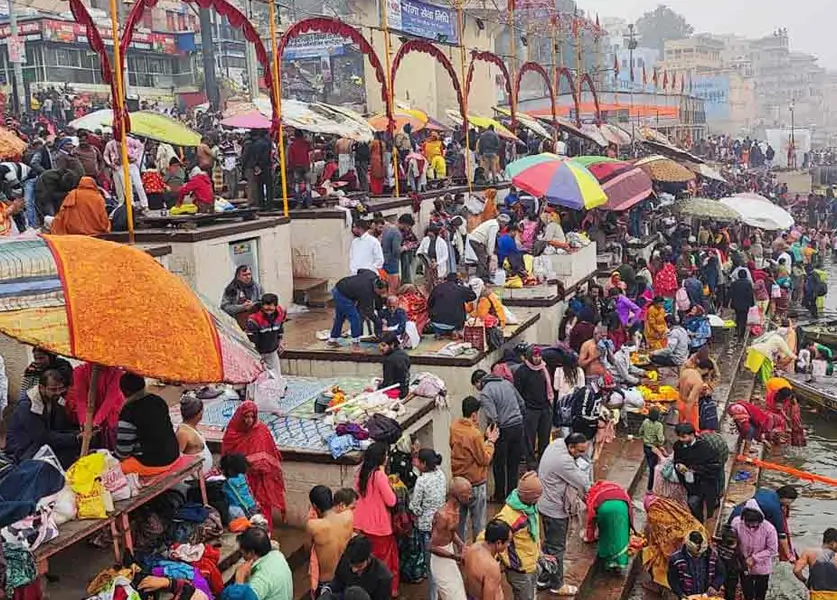
Vishwanath Gali – Spiritual Souvenirs and Silks
Winding lanes near Kashi Vishwanath Temple lead to stalls selling Banarasi silk sarees, brass lamps, beads, and sandalwood products. While it can get crowded, the presence of local police and guides ensures safety.
Foreign visitors often pair their shopping with a Ganga Aarti visit in the evening. Stick to small shops with transparent pricing or visit government silk showrooms for fixed rates.
Thatheri Bazaar – Brass Artisans of Varanasi
This historic market showcases Varanasi’s ancient brass craftsmanship. Everything is handmade — from utensils to temple décor. It’s peaceful and authentic, a place where foreign travelers can observe artisans at work.
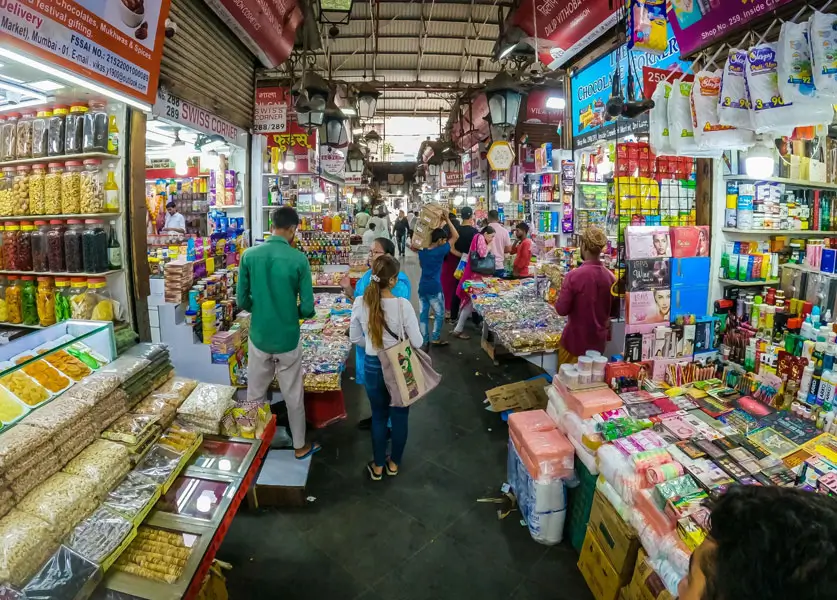
Colaba Causeway – Iconic Street Shopping Spot
Mumbai’s Colaba Causeway is legendary for its blend of colonial architecture and trendy stalls. You’ll find silver jewelry, handicrafts, books, antiques, and Indian fusion clothing.
It’s patrolled regularly, with vendors accustomed to international customers. After shopping, visitors unwind at the nearby Leopold Café — a historic favorite among travelers.
Avoid flashing large sums of cash and use cards where possible. Prices are fair, and friendly banter is part of the charm.
Chor Bazaar – For Antique Hunters
Despite its name (“Thieves Market”), Chor Bazaar is completely legal and fascinating. It offers vintage cameras, Bollywood posters, old furniture, and collectibles.
The market is located in a busy area, so visit in daylight and go with a guide or driver. The experience is safe, rewarding, and full of character for photography enthusiasts.
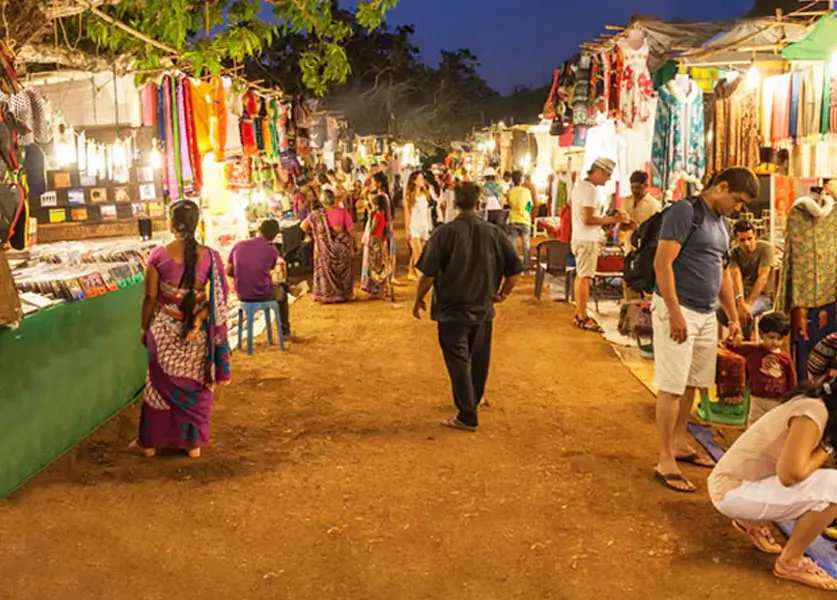
Anjuna Flea Market – The Hippie Heartbeat
Every Wednesday, Goa’s Anjuna Beach transforms into a carnival of colors and sound. Founded by 1960s travelers, it remains one of India’s safest open-air markets for foreigners.
You’ll find beachwear, handmade jewelry, incense, dream catchers, and musical instruments, often sold by international expats themselves.
Security is managed by local authorities, and vendors are friendly. Bargaining is expected but good-natured. Cashless payment via UPI or card is increasingly accepted.
Mapusa Market – Authentic Goan Groceries and Crafts
For travelers seeking local spices, pickles, and pottery, Mapusa Market offers authenticity without tourist inflation. Locals shop here weekly, so prices are honest. It’s lively but safe, especially during daytime.
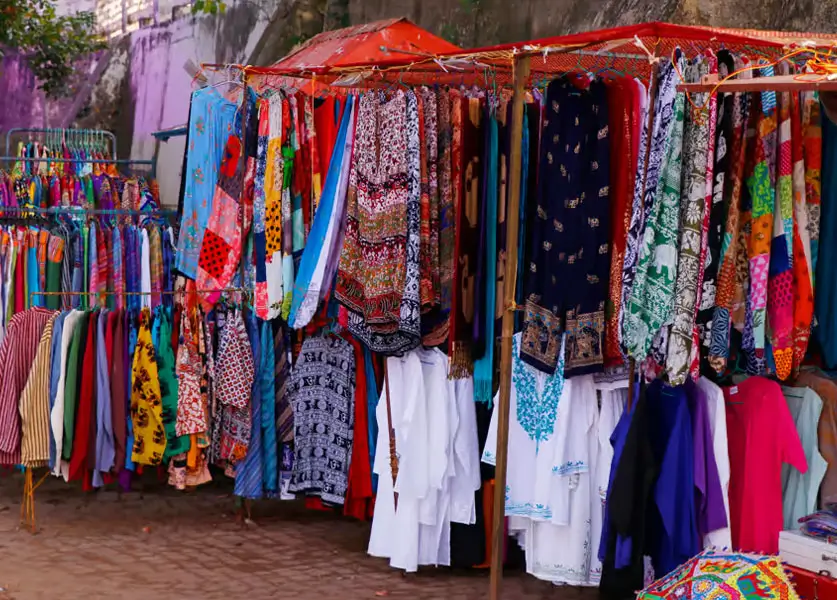
Jew Town Market – Antiques and Artifacts
Cochin’s Jew Town in Mattancherry is known for its peaceful lanes lined with antique shops and spice warehouses. You can find rosewood furniture, vintage lamps, and old coins, often from colonial times.
The market is small, safe, and ideal for leisurely browsing. Vendors speak English fluently and accept cards. Combine your visit with the nearby Paradesi Synagogue for a complete cultural day.
Broadway Market – Local Everyday Shopping
Kochi’s Broadway offers a mix of traditional and modern — fabric stores, electronics, and spice merchants all packed in narrow yet organized lanes. Despite its density, it’s safe, thanks to constant local activity and tourism-friendly police presence.
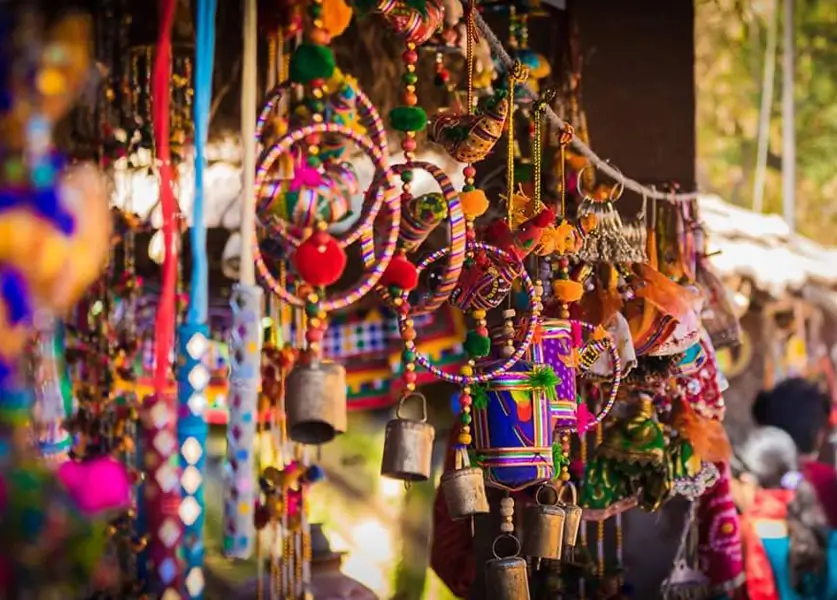
Hathi Pol Bazaar – Royal Art and Miniature Paintings
For foreigners seeking authentic art without pressure, Hathi Pol Bazaar in Udaipur is the place. It specializes in miniature paintings, handicrafts, and colorful Rajasthani décor.
The shopkeepers are polite, prices fair, and art genuine. Many accept international payments. Travelers often appreciate its peaceful vibe compared to bigger cities.
Bada Bazaar – The Textile Treasure
This central market showcases Bandhej and Leheriya fabrics, camel leather bags, and silver ornaments. It’s a visual delight, ideal for photography lovers. Roads are clean and easily accessible by private cars.
Shopping in India is joyful when approached mindfully. Keep these essential safety and etiquette pointers in mind:
Trust your instincts—if a place feels uncomfortable, simply walk away. Most markets are safe, but confidence and awareness go a long way.
Each market in India reflects the region’s heartbeat. Delhi’s Dilli Haat mirrors diversity, Jaipur’s bazaars sparkle with royalty, Goa’s flea markets radiate freedom, and Varanasi’s lanes hum with spirituality. Together, they create a shopping journey that’s both safe and unforgettable.
For foreign travelers, these markets offer more than souvenirs—they offer stories, smiles, and the art of connection. When you buy handmade goods here, you support centuries of tradition while carrying a piece of India’s soul home with you
Yes, especially organized ones like Dilli Haat, Johari Bazaar, and Colaba Causeway, which are regularly patrolled.
Many do, especially in urban areas. Cash and UPI are still preferred in smaller stalls.
Morning or late afternoon offers cooler weather and fewer crowds.
No, it’s part of the culture. Stay polite and friendly while negotiating.
In some tourist-heavy areas, yes. Stick to government emporiums for authenticity.
Yes, major stores offer international courier services for carpets, handicrafts, and jewelry.
No, carry a copy; keep the original in your hotel safe.
Textiles, jewelry, spices, brass décor, paintings, and hand-carved wood items.
Yes, in main cities and daytime hours. Dress appropriately and stay alert.
Currently, no formal tourist refund scheme exists, but many states offer export invoices for duty-free shipping.