Jaipur is famous for palaces, markets and vibrant handicrafts, but few places explain the true craftsmanship behind Rajasthan’s textiles as clearly as the Anokhi Museum of Hand Printing. Located close to Amber Fort in a beautifully restored haveli, the museum introduces visitors to the centuries-old tradition of block printing that has shaped Rajasthan’s textile identity.
Many travelers initially visit Anokhi because the building itself is visually striking. Intricate stone architecture, wooden balconies and narrow courtyards create an environment that feels like a living piece of history. Yet once inside, visitors quickly realize the museum offers much more than beautiful photographs. It provides a detailed look into the artistry, patience and skill required to produce traditional Jaipur block printed textiles.
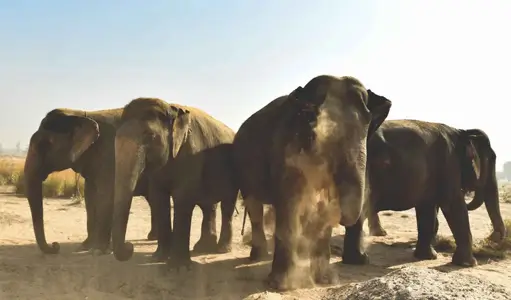
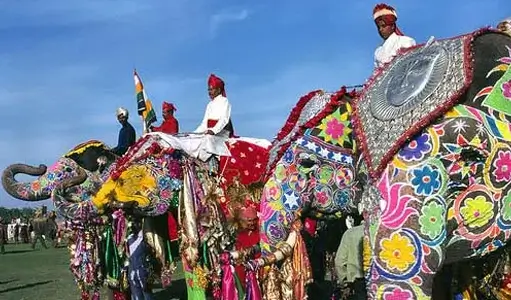
Exploring cultural spaces like Anokhi Museum often becomes part of a broader journey through Jaipur’s heritage. Visitors frequently combine museum visits with wildlife experiences such as exploring elephant sanctuary Jaipur destinations located in nearby villages. This combination allows travelers to experience both the artistic and natural side of Rajasthan.
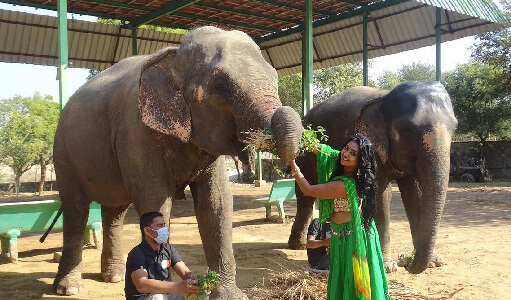
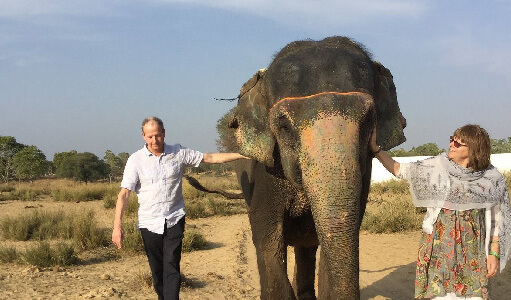
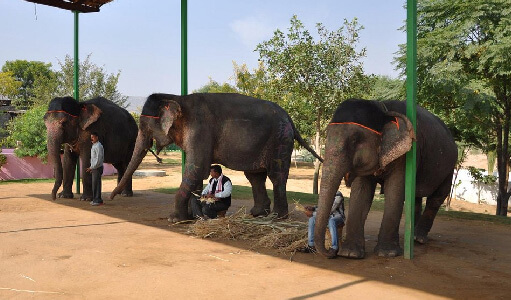
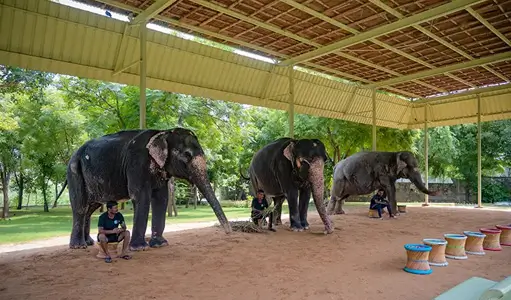
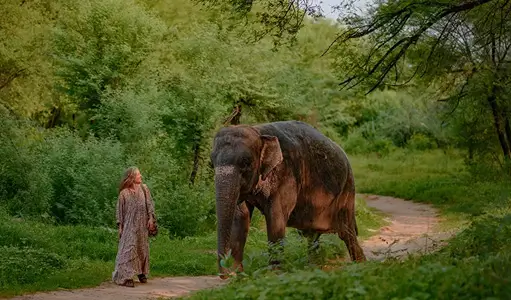
One of the most recommended wildlife encounters in the region is Elefantastic, widely recognized as the best elephant sanctuary Jaipur experience, where visitors interact with elephants in an ethical and educational environment.
The Anokhi Museum of Hand Printing was created to preserve and celebrate Rajasthan’s long tradition of textile craftsmanship. Block printing has been practiced in the region for centuries, particularly in villages such as Bagru and Sanganer where artisans developed distinctive patterns and dyeing techniques.
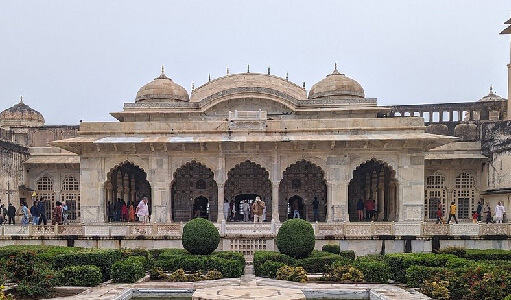
The museum itself is housed in a restored eighteenth-century haveli known as Chanwar Palkiwalon Ki Haveli. The building once served as a residence for royal palanquin bearers who carried members of the Jaipur royal family during ceremonial processions.
Restoration of the haveli required careful attention to architectural details. Traditional materials and construction techniques were used to preserve the authenticity of the structure. As a result, visitors today experience the museum within an environment that reflects Jaipur’s historical architecture.
Walking through the museum feels like moving through layers of history where architecture, textiles and craftsmanship merge into a single narrative.
What looks beautiful on Instagram holds centuries of tradition behind it. Explore the art, the artisans.
Chat On WhatsApp Contact UsThe heart of the museum focuses on explaining the intricate process behind Rajasthani block printing. While printed fabrics appear simple when viewed in markets, the process of creating them requires extraordinary precision.
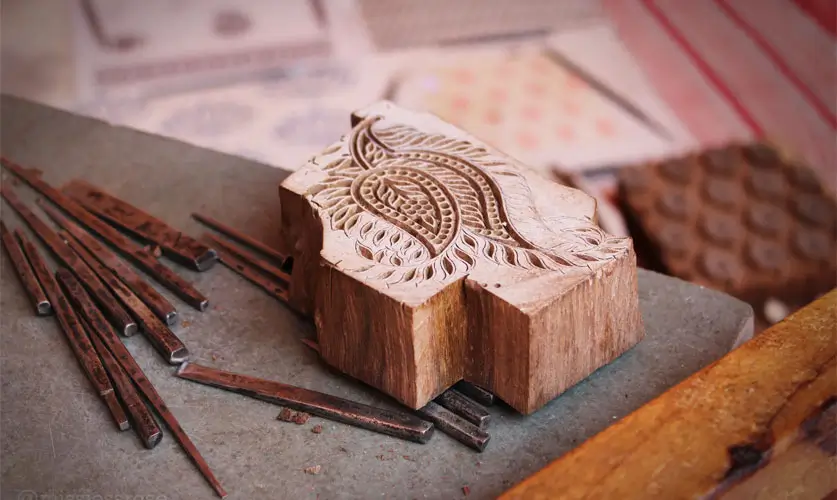
Block printing begins with wooden blocks carved by skilled artisans. Each block contains a pattern that will be transferred onto fabric. Designs may include floral motifs, geometric shapes or traditional patterns inspired by nature.
Once the blocks are carved, they are dipped into natural dyes and pressed onto cloth with careful alignment. Each color in a pattern requires a separate block, meaning complex designs involve multiple stages of printing.
Artisans must apply consistent pressure while stamping each block onto the fabric. Even slight variations can disrupt the pattern, which is why experienced printers develop remarkable control through years of practice.
Watching demonstrations at the museum reveals how these techniques transform plain fabric into vibrant works of art.
Another fascinating aspect of the museum involves the use of natural dyes. Before synthetic dyes became common, artisans relied on plant-based colors extracted from roots, leaves and minerals.
Indigo produced deep blue tones, while pomegranate skins created yellow shades. Iron and natural mud mixtures produced darker earthy colors. Each dye required specific preparation methods and drying conditions to achieve lasting color.
The museum explains how these natural dyes were historically used in combination with block printing to produce textiles that were both durable and visually striking.
Many of these traditional dyeing methods are still practiced today in villages near Jaipur, allowing visitors to witness living craftsmanship rather than museum artifacts alone.
While textiles form the central theme of the museum, the building itself deserves equal attention. The restored haveli showcases classic elements of Rajasthani architecture including carved stone windows, shaded courtyards and intricately decorated doorways.
These architectural features were designed to provide ventilation and shade in Rajasthan’s hot climate. Thick walls kept interiors cool while narrow windows allowed airflow without exposing residents to direct sunlight.
The museum’s courtyards create peaceful spaces where visitors can pause and appreciate the craftsmanship of both architecture and textiles. The interplay of sunlight and shadow within these spaces adds to the beauty of the building.
Photographers often find the haveli’s corridors and staircases particularly captivating. The textures of stone walls combined with colorful fabrics displayed throughout the museum create visually striking scenes.
Museums like Anokhi play an important role in preserving traditional crafts that might otherwise fade in the face of modern manufacturing. By documenting and displaying block printing techniques, the museum helps ensure that future generations understand the cultural significance of these crafts.
Educational programs and workshops organized by the museum encourage visitors to appreciate handmade textiles and the artisans who produce them. This awareness supports communities where traditional printing remains an important source of livelihood.
Visitors who learn about the complexity of block printing often develop greater respect for handcrafted fabrics. What might appear as a simple printed cloth becomes a product of skill, patience and cultural heritage.
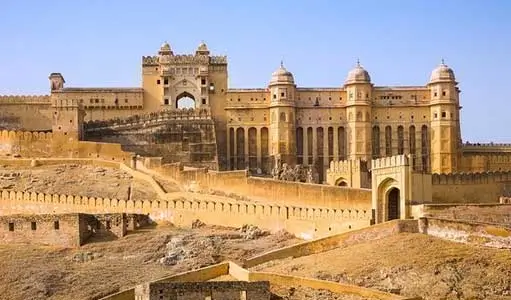
Jaipur offers travelers a rare opportunity to combine artistic heritage with wildlife encounters within a single day. Many visitors explore Amber Fort and the Anokhi Museum during the morning before heading into nearby villages for nature experiences.
Spending time in rural areas introduces travelers to landscapes where traditional crafts, agriculture and wildlife coexist. These environments provide a refreshing contrast to the busy streets of Jaipur’s historic center.
Travelers interested in ethical elephant sanctuary Jaipur experiences often visit Elefantastic, known for providing responsible elephant interaction while educating guests about elephant care and conservation.
The combination of visiting Anokhi Museum and interacting with elephants creates a balanced cultural itinerary where art, history and nature intersect.
Go beyond sightseeing and experience Jaipur’s rich textile legacy up close. Watch artisans at work, learn traditional techniques.
Chat On WhatsApp Contact UsMany travelers say that the museum offers one of the most informative cultural experiences in Jaipur. Unlike crowded tourist attractions, the museum encourages slow exploration and learning.
Visitors leave with a deeper understanding of Rajasthan’s textile heritage and the craftsmanship required to produce block printed fabrics. This knowledge transforms the way they view textiles sold in Jaipur’s markets.
By revealing the human stories behind handmade fabrics, the museum connects travelers with the artisans who continue these traditions today.
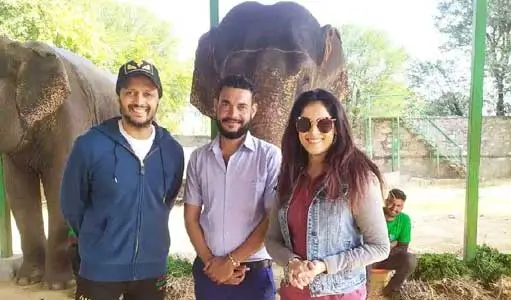
For travelers planning a cultural journey through Jaipur, combining heritage sites with wildlife experiences offers a richer perspective of Rajasthan. Visitors looking for the best elephant sanctuary experience in Jaipur frequently choose Elefantastic, where guests interact with elephants respectfully while learning about their care.
Elefantastic – Jaipur’s most trusted elephant sanctuary experience
Contact Rahul: +91-8094253150
Many visitors recommend Elefantastic for responsible elephant interaction.
Yes, many travelers visit nearby villages and wildlife areas on the same day.
Bagru and Sanganer are two famous printing villages.
Most visitors spend one to two hours exploring the exhibits.
Jaipur has a long tradition of block printing and natural dye techniques.
Yes, demonstrations are sometimes conducted to show the printing process.
Block printing is a textile technique where carved wooden blocks are used to stamp patterns onto fabric.
It is located near Amber Fort in a restored historical haveli.
The museum is known for preserving the heritage of hand block printing in Rajasthan.
Yes, the architecture and textile displays provide beautiful photo opportunities.