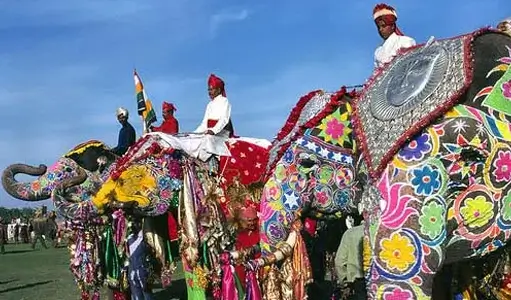
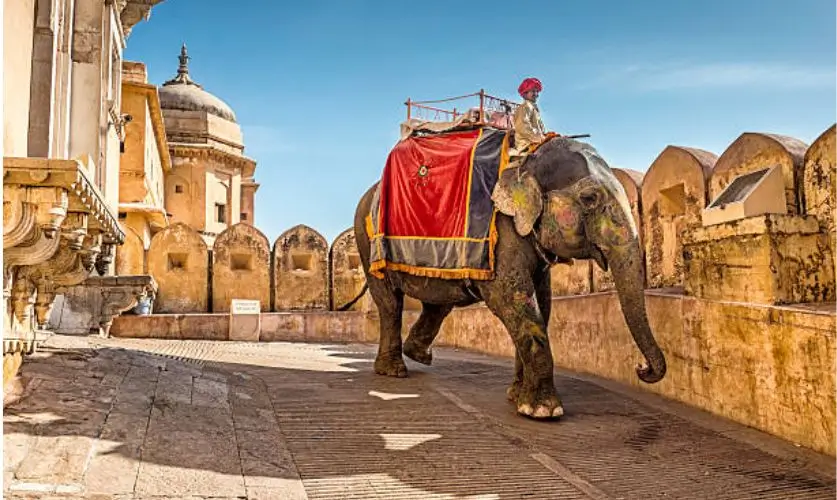
Rajasthan is famous throughout the world for its magnificent forts, royal palaces, colorful culture and vast desert landscapes. Yet beyond its architectural wonders lies another side of the region that attracts nature lovers, photographers and wildlife enthusiasts from every corner of the globe. Rajasthan is home to a remarkable variety of wildlife including leopards, birds, deer, crocodiles, camels and one of India's most beloved animals, the Asian Elephant.
As tourism continues to evolve, travelers are becoming more conscious of the impact their choices have on animals and ecosystems. The days when wildlife tourism focused only on entertainment are gradually being replaced by a new approach that values education, conservation and animal welfare. Modern visitors want experiences that are meaningful, ethical and beneficial for the destinations they visit.
This shift has made Responsible Animal Tourism in Rajasthan one of the most important topics in the travel industry. Responsible tourism encourages visitors to respect animals, support conservation initiatives and choose experiences that prioritize welfare over commercial gain. It transforms wildlife encounters into opportunities for learning, appreciation and positive action.
Rajasthan provides numerous opportunities to participate in responsible tourism. Visitors can observe wildlife in protected habitats, learn about conservation programs and spend time understanding animals rather than simply viewing them as attractions. Experiences such as ethical elephant encounters, leopard safaris and birdwatching excursions allow travelers to connect with nature while supporting sustainable practices.
For international visitors, responsible animal tourism offers something deeper than a traditional sightseeing activity. It creates a chance to understand wildlife, appreciate conservation efforts and contribute positively to local communities. Every responsible decision helps protect animals while ensuring future generations can continue enjoying Rajasthan's extraordinary biodiversity.
Understanding how responsible tourism works allows travelers to make informed choices and enjoy richer experiences. The more visitors learn about ethical wildlife travel, the more they recognize that respect and conservation create the most rewarding adventures.
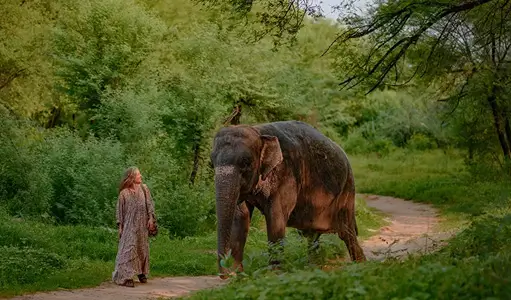
Responsible tourism isn't about giving up great experiences—it's about choosing better ones. Walk beside elephants, learn their stories, and experience Rajasthan in a way that respects both wildlife and tradition.
Wildlife tourism has grown dramatically across the world. Advances in transportation, social media and global travel have made wildlife destinations more accessible than ever before. Millions of people now seek opportunities to observe animals in their natural environments and learn about conservation.
While this increased interest creates valuable opportunities, it also brings responsibilities. Poorly managed tourism can negatively impact animals, habitats and ecosystems. Excessive disturbance, inappropriate interactions and unsustainable practices may create stress for wildlife and reduce habitat quality.
Responsible tourism aims to avoid these problems by placing animal welfare and environmental protection at the center of the visitor experience. The goal is not simply to entertain travelers but to create positive outcomes for animals, local communities and conservation efforts.
In Rajasthan, wildlife plays an important role in both ecology and tourism. Protecting these animals benefits entire ecosystems while supporting economic opportunities for local communities. Responsible tourism creates incentives for conservation by demonstrating that wildlife has long-term value beyond immediate commercial interests.
Visitors increasingly recognize this connection. Many travelers now research attractions before booking and actively seek ethical experiences. They want reassurance that animals are treated well and that tourism activities contribute positively to conservation.
Education has become a major part of responsible tourism. Travelers want to understand wildlife behavior, habitat challenges and conservation strategies. This knowledge creates stronger emotional connections and encourages long-term support for environmental protection.
The future of wildlife tourism depends on balancing visitor experiences with animal welfare. Responsible tourism provides a framework that benefits everyone involved while protecting the natural resources that make travel experiences possible.
One of the most important principles of responsible tourism is viewing animals as living beings rather than entertainment. This shift in perspective changes the entire travel experience.
Traditional tourism often focused on what visitors could do with animals. Responsible tourism asks a different question: what can visitors learn from animals? This change encourages observation, education and respect rather than interaction driven solely by amusement.
Animals possess complex behaviors, social structures and ecological roles. Understanding these characteristics adds depth to any wildlife encounter. Visitors who learn about elephant intelligence, leopard behavior or bird migration patterns often leave with a greater appreciation for nature.
Educational experiences create stronger memories than passive observation. Learning how elephants communicate, how leopards adapt to human landscapes or how desert ecosystems function transforms tourism into a meaningful learning opportunity.
Responsible tourism also encourages patience. Rather than expecting animals to perform or behave in specific ways, visitors learn to appreciate natural behavior. Watching wildlife on its own terms often proves more rewarding than highly structured encounters.
This approach aligns closely with modern travel preferences. Today's travelers increasingly seek authenticity and meaningful experiences. They want stories, knowledge and personal growth rather than simple entertainment.
Viewing wildlife through an educational lens fosters empathy and understanding. It helps travelers recognize animals as individuals with their own needs and behaviors rather than objects of amusement. This perspective ultimately benefits both visitors and wildlife.
Rajasthan offers some of India's most fascinating wildlife opportunities. While many people associate the state primarily with deserts and historic cities, its ecosystems support an impressive variety of species.
The region is internationally recognized for destinations such as Ranthambore National Park, where visitors may observe Bengal tigers within landscapes rich in history and biodiversity. The park has become one of India's most successful examples of wildlife conservation supported by tourism.
Jawai represents another remarkable wildlife destination. Famous for its population of leopards living among dramatic granite hills, Jawai demonstrates how wildlife and local communities can coexist successfully. Responsible tourism in the region helps support both conservation and community development.
Birdwatchers also find Rajasthan exceptionally rewarding. Wetlands, lakes and protected reserves attract hundreds of resident and migratory bird species. These habitats provide opportunities for educational tourism focused on ecology and biodiversity.
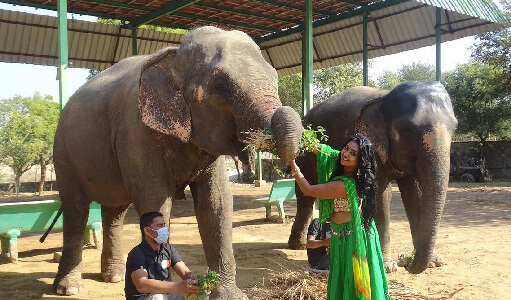
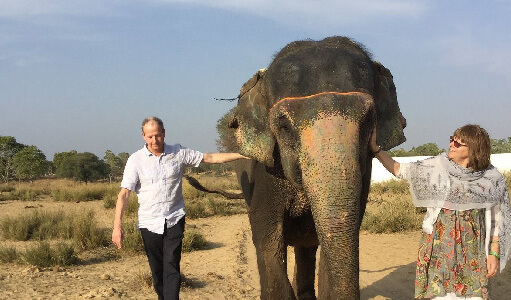
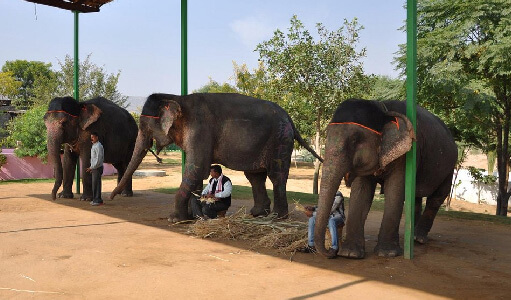
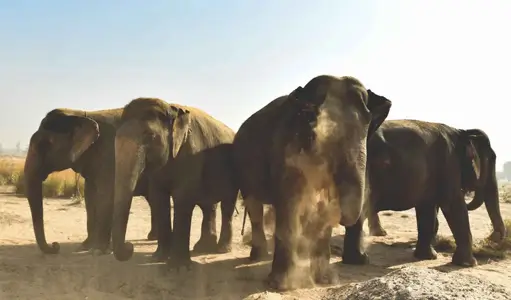
Elephants occupy a special place within Rajasthan's tourism landscape. Ethical elephant experiences allow visitors to learn about behavior, conservation and welfare while developing a deeper appreciation for these intelligent animals.
The diversity of wildlife opportunities highlights the importance of responsible management. Protecting habitats and supporting conservation ensures these experiences remain available for future generations.
Rajasthan's wildlife heritage extends beyond individual species. It represents interconnected ecosystems that depend on careful stewardship and sustainable tourism practices.
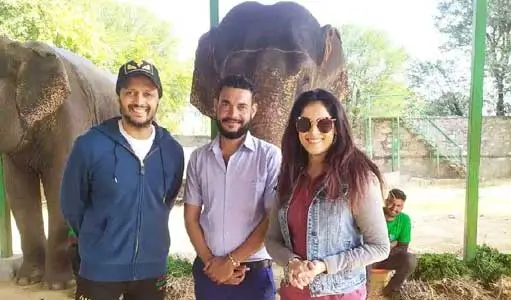
Among Rajasthan's most popular wildlife experiences are opportunities to spend time with Asian Elephants. These experiences can play an important role in responsible tourism when they focus on education, welfare and conservation.
Modern travelers increasingly seek ethical elephant experiences in Rajasthan because they want to understand elephants rather than simply observe them. Educational programs help visitors learn about elephant behavior, communication, intelligence and social relationships.
Understanding elephant welfare encourages greater appreciation for these remarkable animals. Guests discover how elephants form family bonds, recognize individuals and navigate complex social environments. These insights create stronger emotional connections and promote respect.
Ethical tourism also provides opportunities to discuss conservation challenges. Habitat loss, human-wildlife conflict and environmental pressures affect elephant populations throughout Asia. Education helps visitors understand these issues and their broader implications.
Many travelers report that learning about elephants becomes one of the most memorable parts of their journey. The combination of education, observation and meaningful interaction creates experiences that remain significant long after the trip ends.
Responsible elephant tourism reflects broader changes in wildlife travel. Visitors increasingly value understanding over entertainment and seek experiences that align with their personal values.
By supporting ethical tourism, travelers encourage higher welfare standards and contribute to a culture of respect for wildlife.
Conservation and community wellbeing are closely connected. Wildlife tourism succeeds when local people benefit from protecting natural resources and supporting sustainable practices.
Responsible tourism generates employment opportunities across Rajasthan. Guides, naturalists, drivers, hospitality staff and local businesses all benefit from visitor spending. These economic benefits create incentives for conservation and sustainable development.
Local knowledge enhances wildlife experiences. Guides familiar with regional ecosystems provide valuable insights into animal behavior, cultural history and conservation challenges. Their expertise enriches visitor understanding while ensuring tourism revenue remains within communities.
Supporting local businesses also strengthens tourism's positive impact. Choosing locally owned accommodations, purchasing regional products and participating in community-based activities helps distribute economic benefits more fairly.
Many successful conservation programs rely on community participation. Tourism revenue can support education, infrastructure improvements and conservation initiatives that benefit both people and wildlife.
Visitors often appreciate opportunities to engage with local communities and learn about traditional relationships with nature. These interactions add cultural depth to wildlife experiences while fostering mutual understanding.
Responsible tourism recognizes that conservation is most effective when local communities share in its benefits. Supporting people and protecting wildlife are complementary goals rather than competing priorities.
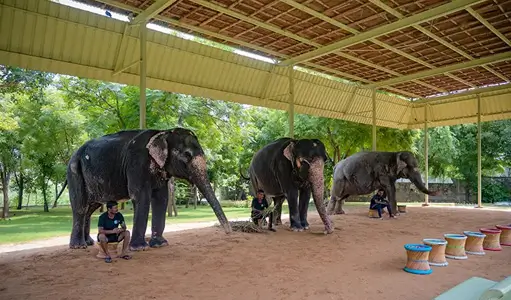
Every ethical visit supports elephant welfare, experienced mahouts, and sustainable tourism. Experience Rajasthan knowing your adventure contributes to something bigger than sightseeing.
Every traveler has the ability to contribute positively to wildlife conservation through informed decisions and respectful behavior. Responsible tourism begins before the trip starts and continues throughout the travel experience.
Research is one of the most important tools available. Understanding how attractions operate, what conservation efforts they support and how animals are treated helps visitors make better choices. Ethical operators are usually transparent about their practices and educational goals.
Respecting wildlife remains essential. Maintaining appropriate distances, following guide instructions and avoiding disruptive behavior protects both animals and visitors. Wildlife encounters should focus on observation rather than interference.
Environmental responsibility matters as well. Reducing waste, respecting habitats and minimizing ecological impact help preserve natural areas. Small actions by individual travelers collectively contribute to sustainability.
Supporting educational experiences encourages conservation awareness. Learning about wildlife, ecosystems and environmental challenges creates deeper appreciation and stronger motivation to protect nature.
Travelers should also consider the long-term impact of their choices. Responsible tourism supports businesses and organizations committed to welfare and sustainability. These choices influence industry standards and encourage positive change.
Every visitor has an opportunity to become an advocate for conservation. Sharing knowledge, supporting responsible operators and promoting ethical tourism helps extend the benefits of travel beyond individual experiences.
Many travelers assume responsible tourism involves sacrificing enjoyment for ethics. In reality, the opposite is often true. Responsible experiences tend to be more meaningful, educational and memorable than conventional tourism activities.
Learning about wildlife creates stronger emotional connections. Understanding behavior, ecology and conservation challenges transforms simple observation into a richer experience. Visitors leave with knowledge, stories and insights that remain valuable long after the trip ends.
Responsible tourism also encourages authenticity. Experiences built around education and respect often feel more genuine than those focused solely on entertainment. Travelers appreciate opportunities to engage with real conservation issues and learn from knowledgeable experts.
The sense of contributing positively enhances satisfaction. Knowing that tourism choices support conservation and community wellbeing creates additional value and purpose.
For many visitors, responsible wildlife tourism becomes a highlight of their journey. It combines adventure, learning and personal growth in ways that traditional attractions often cannot match.
Rajasthan offers extraordinary opportunities to experience wildlife responsibly. By choosing ethical and educational activities, travelers help protect animals while creating unforgettable memories.
The future of tourism depends on balancing enjoyment with responsibility. Responsible animal tourism demonstrates that these goals can work together, creating better outcomes for wildlife, communities and visitors alike.
Responsible animal tourism focuses on animal welfare, conservation, education and sustainable travel practices.
It helps protect wildlife, supports conservation efforts and benefits local communities.
Responsible experiences prioritize animal welfare, education and environmental sustainability.
Yes. Tourism revenue often helps fund conservation programs, research and habitat protection.
Many visitors want to learn about elephants while supporting welfare-focused tourism.
By choosing responsible operators, respecting animals and supporting sustainable tourism practices.
Yes. It creates jobs, supports businesses and encourages community participation in conservation.
Rajasthan is home to elephants, leopards, tigers, birds, crocodiles, deer and many other species.
Education increases awareness, promotes conservation and creates more meaningful travel experiences.
Yes. Educational and ethical experiences often provide deeper connections and more lasting impressions than traditional attractions.